databases
ContactsBest PracticesResearchPublications
Other Resources
NewslettersWorkshopsProjectsFAQsGlossaryAcronymsPlatforms
Internal
Intranet LoginASARECA Mail
Roadmap for ASARECA partnerships, capacity development and CAADP agenda takes shape

" The workshop agreed that the PCD unit should:

  • Strategise, coordinate and manage ASARECA interventions in the implementation of CAADP in ECA and the continent
  • Explore, establish and manage strategic partnerships to support AR4D and related interventions
  • Develop and coordinate capacity building initiatives within ASARECA and enhance resource mobilisation for PCD core result areas and for ASARECA "

Offering support to the AU/NEPAD's Comprehensive African Agricultural Development Programme (CAADP) has been identified as one of the priorities that ASARECA's Partnerships and Capacity Development unit will act upon in the coming years.

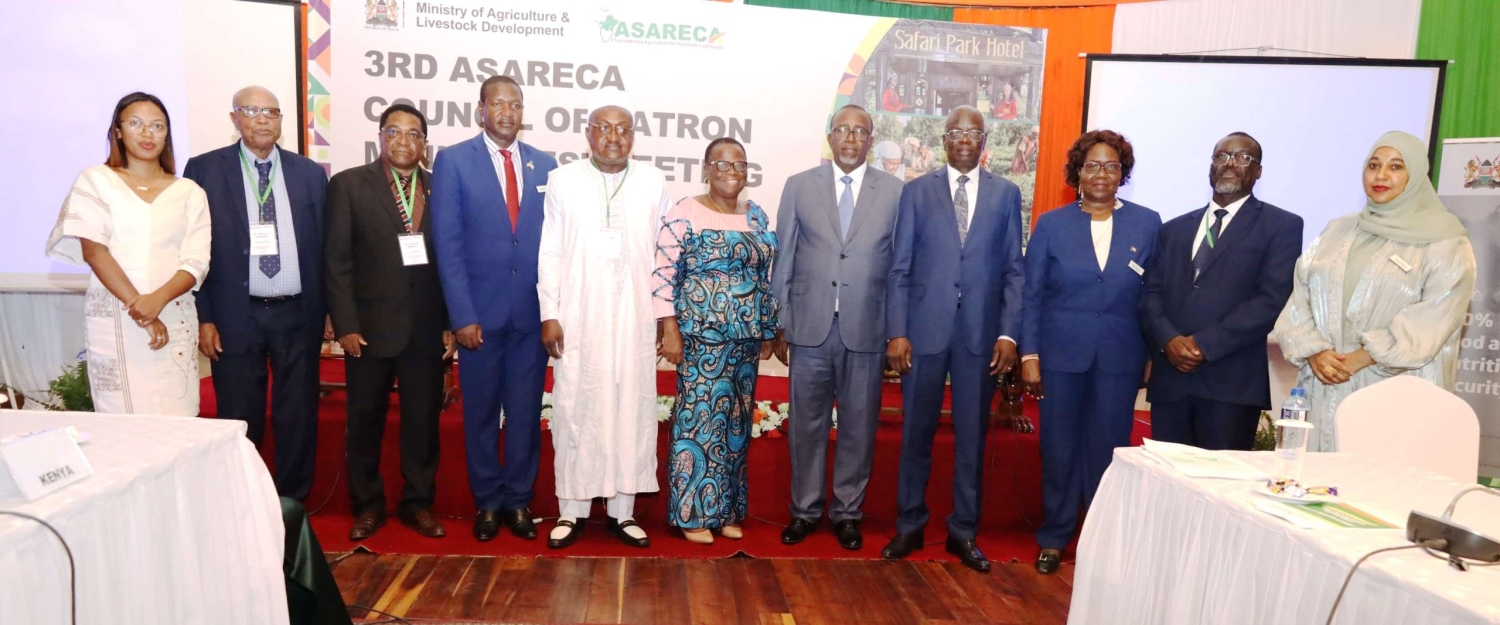
A three-day workshop held from November 2 to 4th in Nairobi, Kenya to develop a strategic plan for the unit, also resolved that the unit should strategise and coordinate capacity development initiatives and support the establishment and management of partnerships in ASARECA.

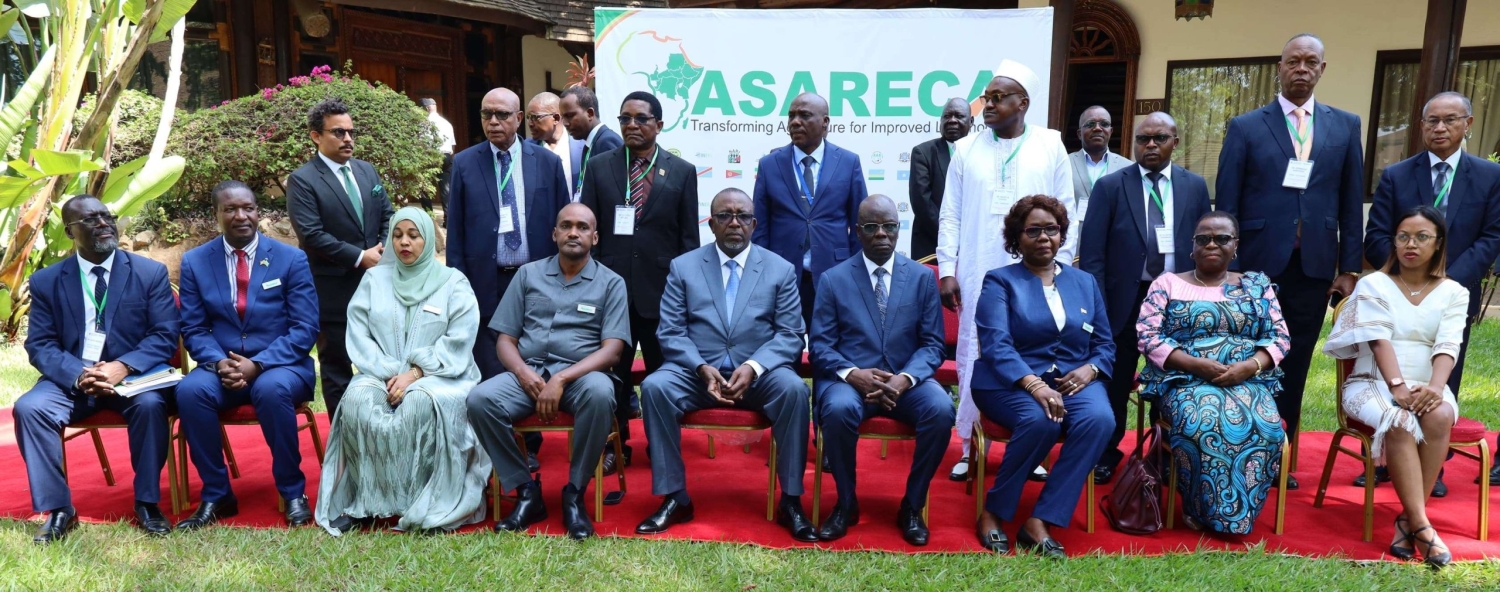
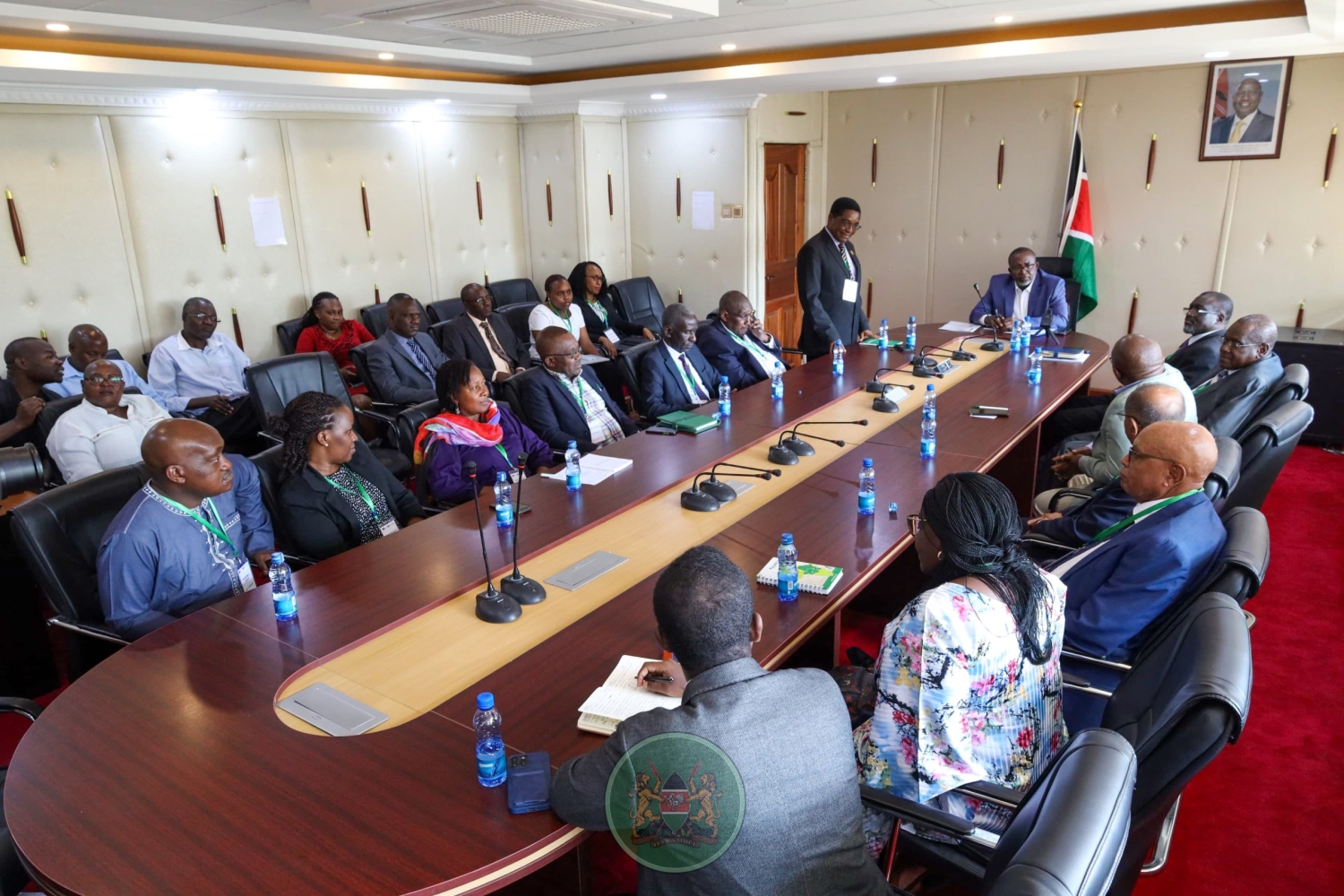
The workshop titled: Strategy for the Partnerships and Capacity Development Unit, drew participants from National Agricultural Research Systems (NARS), CAADP focal persons from Burundi, Ethiopia, Uganda, and Kenya; development partners, international research organisations and ASARECA staff.

In a key note address, ASARECA Deputy Executive Director, Dr. Eldad Tukahirwa, said the workshop was important because ASARECA needs to nurture partnerships with various stakeholders in order to implement its programmes.

ASARECA, Tukahirwa observed, has neither (its own) financial resources, nor technical staff to implement its programmes, and therefore, relies on the NARS, donors and other partners to function. He noted that the workshop was necessary because the existence of ASARECA had raised expectations from various regional and continental institutions that expect ASARECA to perform in a special way. "We have to get our act right in this meeting. If we don't, all our efforts will be uncoordinated," Tukahirwa told the participants.

The participants used enhancement of efficiency, number of beneficiaries likely to be reached, effectiveness and ability to deliver quick wins as the criteria to arrive at the priorities of the unit.

Other benchmarks included regional coverage and spill-overs, potential for capacity development and enhancing the impact of under-resourced NARS.

The workshop facilitator, Jurgen Hagman, urged the participants to validate the partnerships, create a common understanding of the strategy and offer feedback to formulate a robust strategy.
He also pointed out the need to clarify on ASARECA's role in CAADP, prioritise the CAADP objectives, and come up with ideas on the basis of the priorities.

The head of the Unit, Dr. Joseph Methu, said the process to put in place a strategic plan started in February 2009, when he joined ASARECA as the unit head. He explained that he kicked off a planning process with a consultation workshop attended by all the ASARECA programme managers and unit heads.

The need for capacity development

Methu noted that capacity development creates impact, helps organisations to measure up to emerging issues like climate change through sharing of information and emerging approaches to agricultural development like agricultural innovation systems.
 He noted that there was a challenge to generate new knowledge to strengthen under-resourced NARS, adding that change of mindsets and successful management of partnerships were important in increasing the output of agricultural research for development.

AU/NEPAD and the CAADP agenda

Presenting an overview of NEPAD, Hagmann said the institution was about Africans aligning themselves to put their act together through frameworks.
He urged CAADP country coordinators to engage in dialogue with policy makers, opinion leaders, civil society and the private sector so they can own the CAADP process.
The COMESA coordinator for CAADP, Sam Kanyarukiga, distinguished ASARECA as a knowledge provider, noting that beyond Pillar IV, ASARECA's role overlapped with other pillars because they all require knowledge.
He lamented that despite commitment by African heads of states to support CAADP, only 3 countries; Rwanda, Burundi and Ethiopia, out of 19 in the COMESA sub-region had held the round tables and signed the CAADP compacts.  

How ASARECA contributes to the CAADP process

Kanyarukiga noted that ASARECA is already cooperating with COMESA to rationalise and harmonise policies, laws, regulations and procedures in priority commodity sectors to enhance the capacity to assess risks associated with transboundary seed movement. 
ASARECA is also providing scientific evidence, which is needed to make informed policy decisions and to establish a regional mechanism to address emergent food crisis and price situation in COMESA.

Dr. Peter Ewell, the USAID East Africa coordinator, said ASARECA's operational plan includes many CAADP objectives which would automatically get implemented when ASARECA implements its mandate.

Participants noted that ASARECA has roles to play to ensure the implementation of the CAADP agenda in East and Central Africa by facilitating knowledge sharing, providing leadership for communication, information sharing, management and storage and resource mobilisation.

They advised that ASARECA's role should be flexible, demand driven and catalytic, adding that regular consultations with the COMESA secretariat would do the relationship well.
They recommended that ASARECA member states should establish contact with the CAADP country focal persons, and promote dialogue and information flow within the two organisations.
Partnerships within the ASARECA member countries, identification of priority investment areas, monitoring and evaluation in collaboration with other partners, and facilitating CAADP regional compacts are other roles that were highlighted.

Countries speak out

Besides offering the CAADP country focal persons the opportunity to cite areas where ASARECA's help is most crucial, the workshop also provided them a forum to state achievements challenges.

CAADP Burundi
The Burundi focal person cited the high potential for irrigation, rain harvesting, soil preservation, and support to the research institute, ISABU, as some of the opportunities through which ASARECA could facilitate the CAADP process in Burundi.
Others are; reviving seed multiplication centres which were ruined during several years of war, research into macadamia and rice production, promoting agribusiness and high value crops, and promoting the adoption and uptake of processing and storage technologies.

CAADP Ethiopia
The focal person noted strengthening of support to the NARIS and creation of linkages with implementing institutions in other countries as areas in which ASARECA could help.

CAADP Kenya
The country team is conducting a series of meetings and consultations with COMESA and the Agricultural Sector Coordinating Unit (ASCU) to unlock prejudices to this relatively new concept.
The team disclosed that they were faced with the challenge of coordination since about 10 ministries contribute to agricultural development and urged ASARECA to help to create awareness and advocacy amongst policy makers to understand CAADP.

CAADP Uganda
CAADP Uganda is expected to sign the CAADP compact during the first quota of 2010. A joint technical team comprising the agriculture ministry officials and development partners has been established to manage challenges to the signing of the compact.
The team sees knowledge generation and sharing, especially for mechanisation of agriculture, irrigation, agricultural inputs; support in priority setting based on comparative advantage in the regional market as areas in which ASARECA could help Uganda.


Read all news.

 
Post a comment

Name


E-mail (Will not appear online)


Comment


Please enter the text you see in the image CORRECTLY. Also, ensure that your browser supports and accepts cookies, or your comment cannot be verified.

CAPTCHA Image


Note: your post will not be visible until approved by the Editor.

 
ASARECA Secretariat, Plot 15 John Babiiha Road, P.O.Box 765, Entebbe - Uganda
Tel: 256 41 4320212 | Fax: 256 41 4321126
Email: asareca @asareca.org