WATDEV Project Promotes Adoption of Climate-Smart Water Management BMPs Outside Study Areas in Kenya and Egypt
By Genevieve Apio
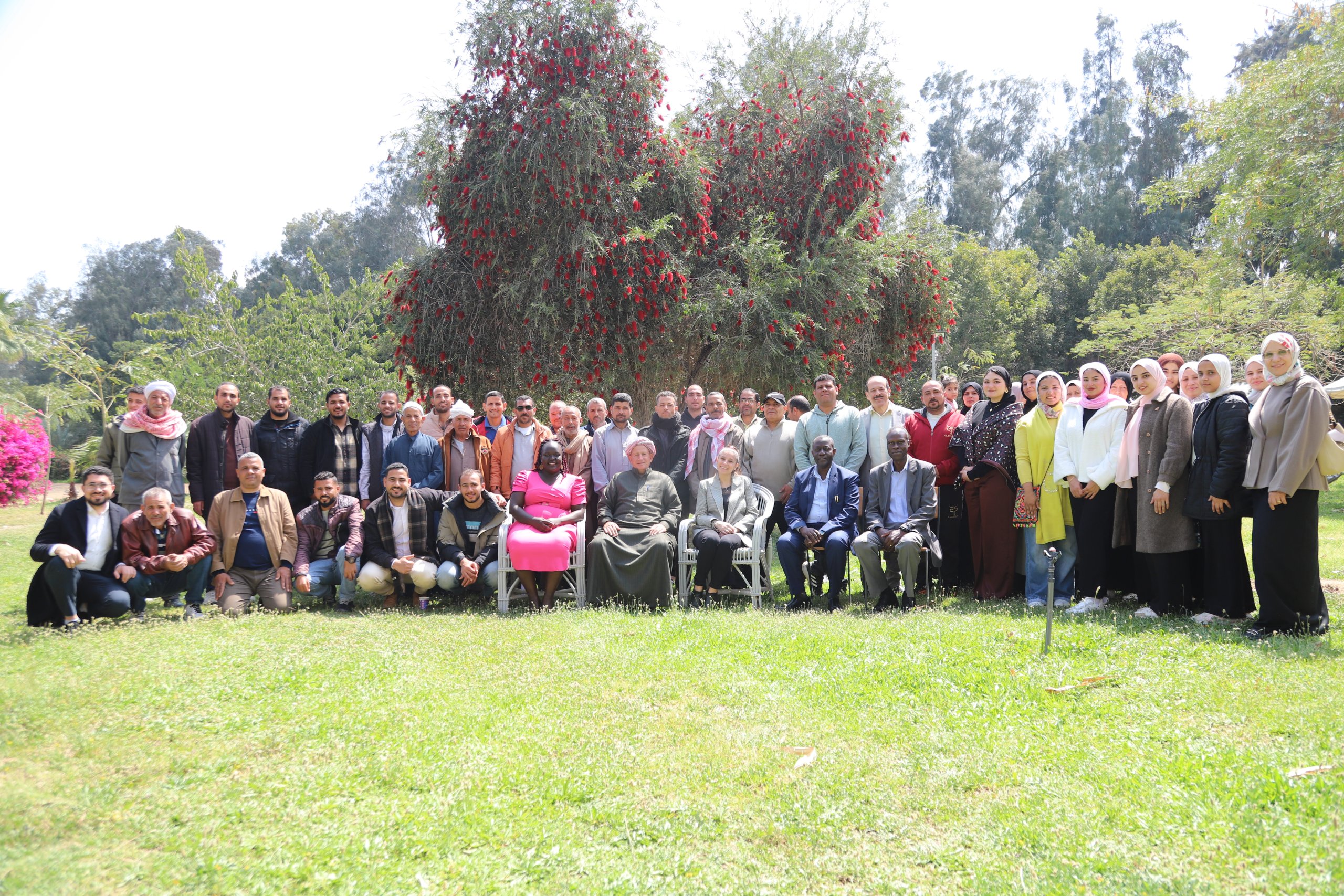
The WATDEV project successfully conducted a series of training and dissemination events on Best Management Practices (BMPs) in Kenya and Egypt, targeting communities outside the study areas. Held in Laza Village, Tana River County, Kenya (26–27 March 2026) and Sekem Farm, Belbies, Egypt (29–30 March 2026), the trainings brought together farmers, local stakeholders, and technical experts to exchange knowledge, promote innovation, and encourage the adoption of climate-smart agricultural practices tailored to local contexts.
Kenya: Addressing Climate Challenges Through Practical Solutions
In Tana River County, the training was organized through a joint effort between the Kenya Agricultural and Livestock Research Organization (KALRO), Association for Strengthening Agricultural Research in Eastern and Central Africa (ASARECA), and International Center for Advanced Mediterranean Agronomic Studies (CIHEAM) Bari, in close partnership with the National Irrigation Authority (NIA) and the Tana River County Government.
The region, despite its high agricultural potential due to fertile soils and available water resources, continues to face recurring climate-related challenges such as droughts, floods, soil degradation, and declining water levels. These challenges have significantly affected agricultural productivity, negatively impacting local livelihoods.
The training focused on equipping participants with practical knowledge on how to improve soil health, optimize water use, and enhance farm resilience. To help farmers appreciate the importance of the BMPs, understand how they fit within the local farming systems; the WATDEV project objectives, methods, and expected results were presented. This was followed by in-depth training sessions on selected BMPs detailing how, when and where to apply the BMPs.
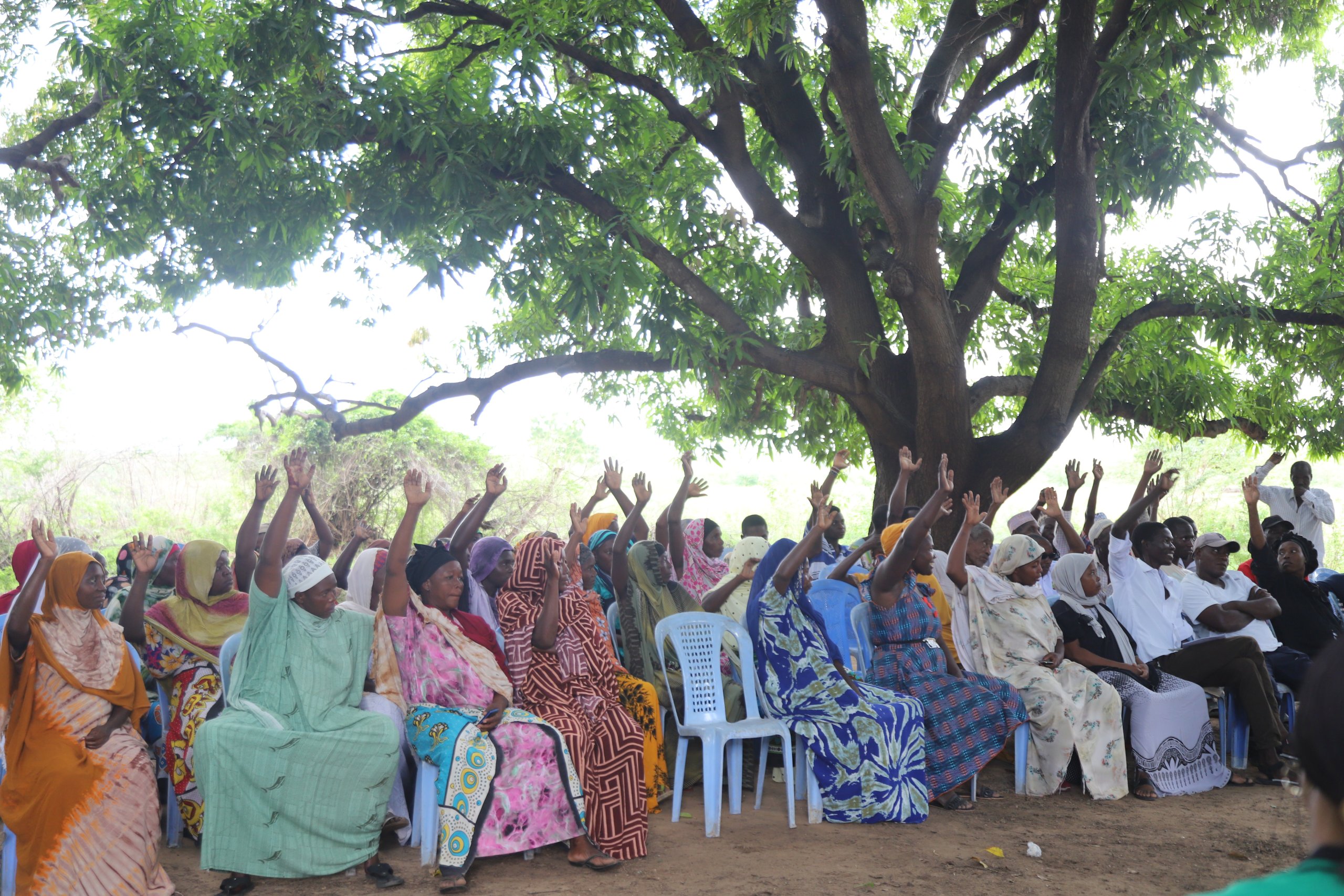
Participants engaged in guided discussions on the application of BMPs and their impacts on key environmental systems, including water, soil, crops, and the atmosphere. A strong emphasis was placed on participatory learning, with local actors actively contributing to discussions on the feasibility of the practices, including their advantages, limitations, and technical requirements.
Farmers from project areas who have participated in the WATDEV activities shared their firsthand experiences, particularly on the impacts of flooding on soil fertility and the challenges of inefficient water use to build trust and boost the confidence of the new farmers. These insights informed discussions on practical and locally adaptable solutions.
Field Demonstrations and Farmer Engagement
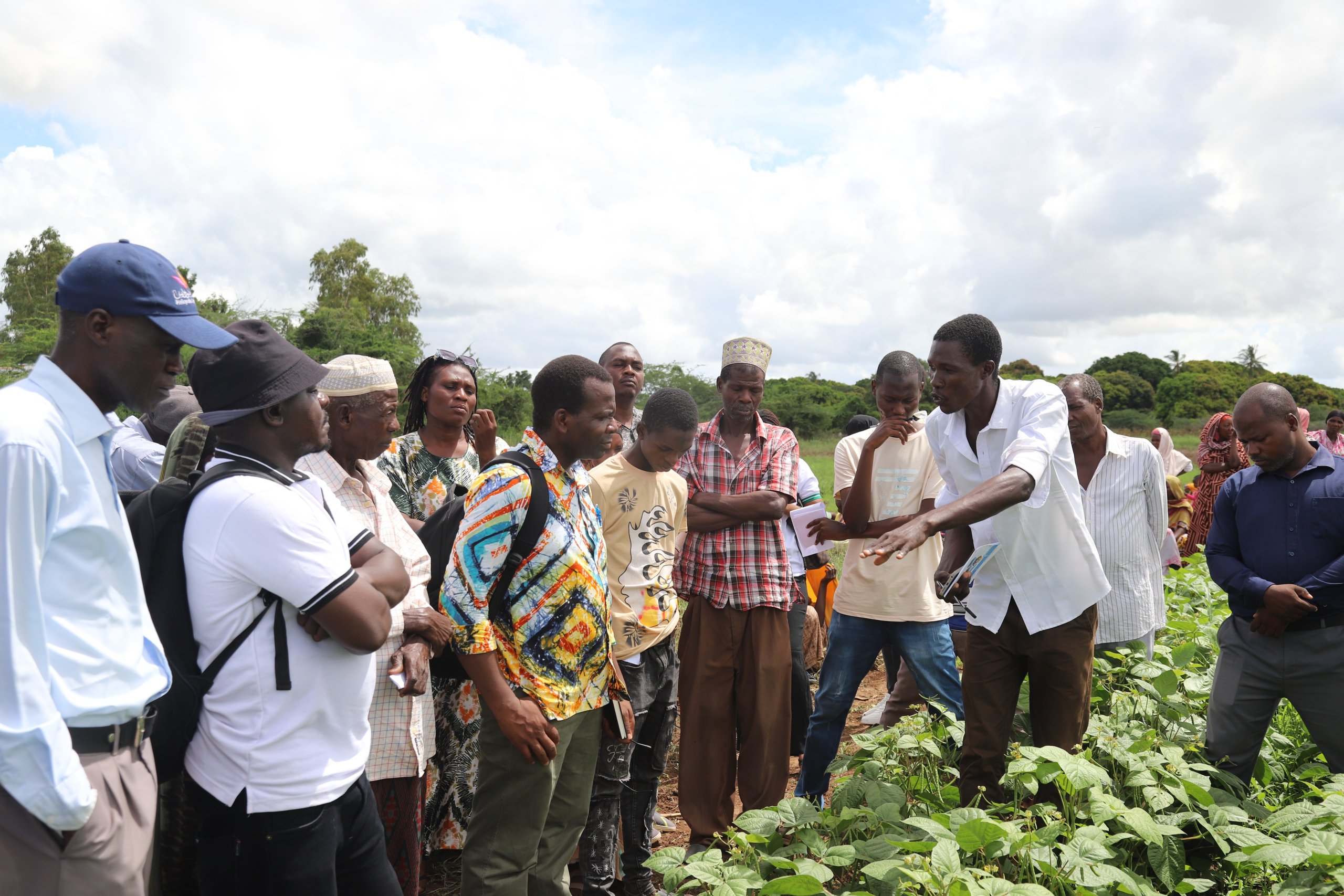
A key highlight of the Kenya training was a field visit to the Laza Minor Irrigation Scheme, where participants observed BMP innovations in practice. The hands-on experience enabled farmers to interact directly with experts and gain a deeper understanding of how the practices can be applied in real farming conditions.
The training introduced farmers, including groups from Lamu, to a range of BMPs such as:
- Agroforestry- mainly focusing on planting of trees along the boundaries as hedges
- Effective soil health management techniques
- Use of improved crop varieties
- Effective manuring techniques
- Efficient irrigation practices
These approaches demonstrated clear potential to improve productivity, restore soil health, and build resilience to climate variability.
Egypt: Promoting Sustainable Intensification and Water Efficiency
In Egypt, the WATDEV BMPs training was held at Sekem Farm in Belbies and focused on raising awareness about unsustainable agricultural practices while promoting practical solutions for sustainable water and soil management.
The training brought together farmers from outside the project areas, expanding outreach and supporting knowledge transfer beyond initial intervention zones.
The selected BMPs for Egypt aimed to address some of the challenges that farmers faced with regards to soil and water management. These included:
- Composting to improve soil fertility
- Efficient irrigation and water management techniques
- Intercropping trees with annual crops, particularly vegetable crops.
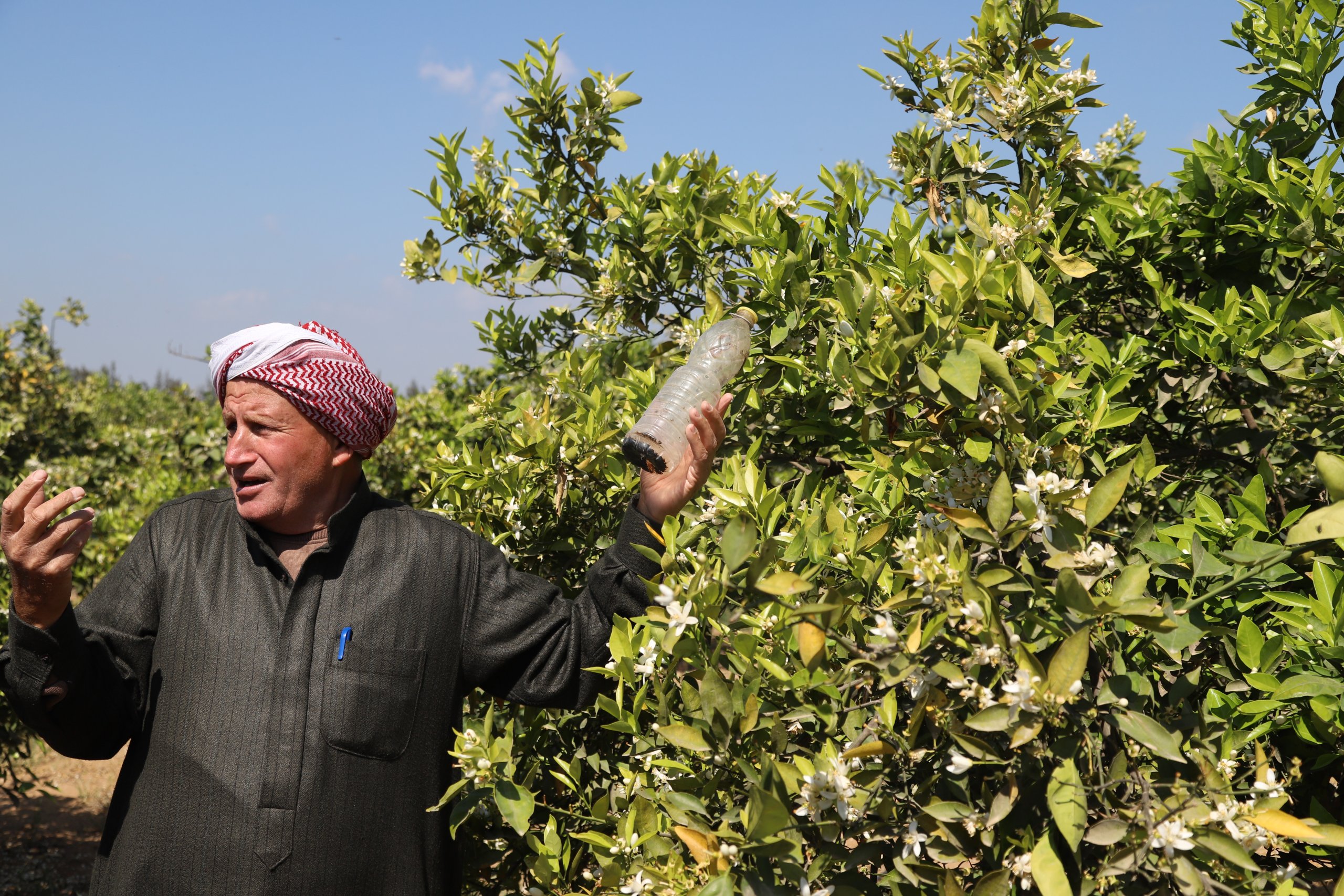
A strong emphasis was placed on citrus-based farming systems since it provided an opportunity to demonstrate the application of all three (3) BMPs in a farm setting. Additionally, farmers expressed a clear preference for citrus trees, especially orange trees, due to their high economic returns. Olive trees were also presented for intercropping components as part of diversified and resilient agricultural systems.
Experiential Learning and Farmer Feedback
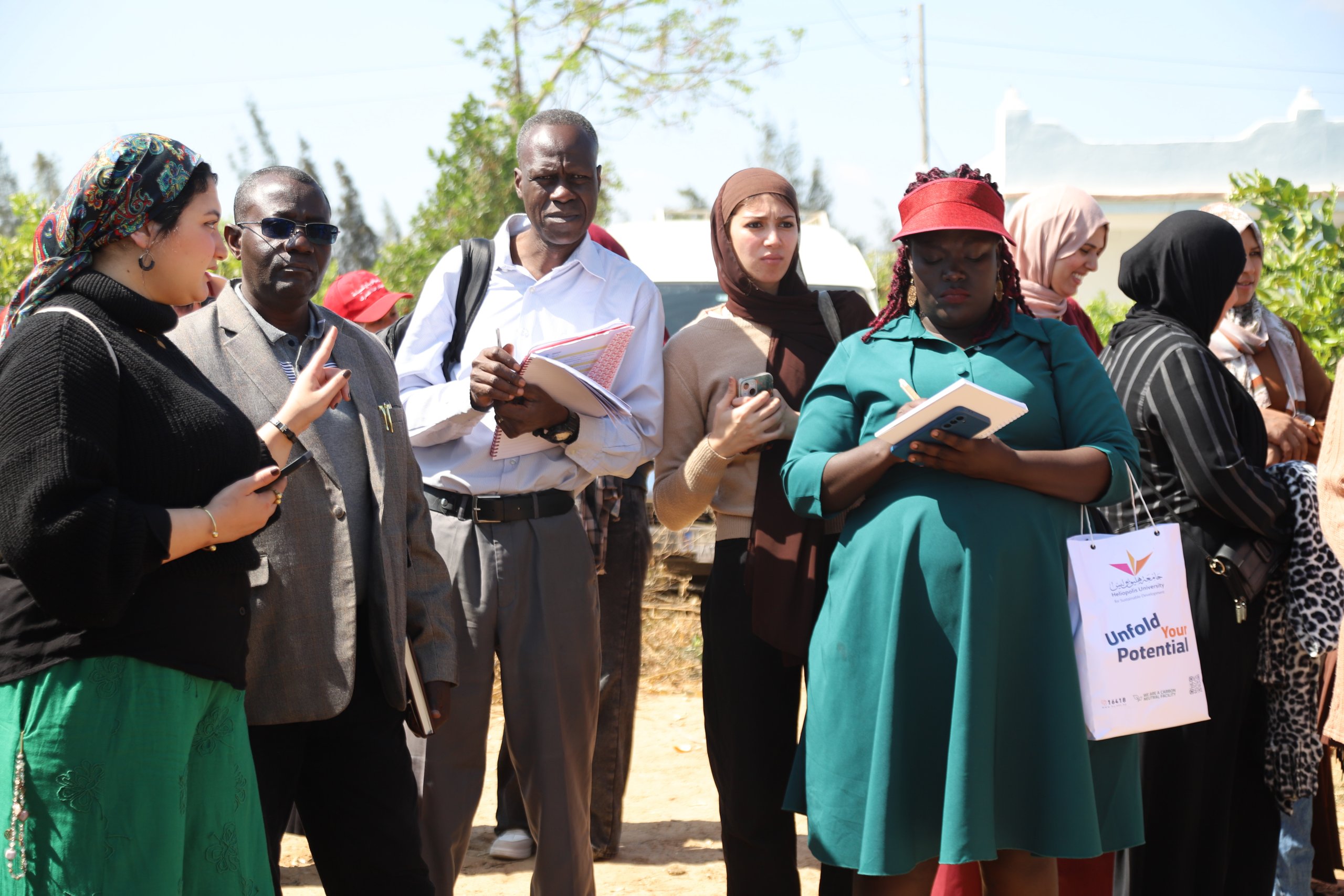
Participants visited a citrus farm where intercropping practices were demonstrated, showcasing how vegetables can be cultivated between rows of trees to maximize land use and increase income. Effective soil and water management practices that demonstrated delivery of inorganic and organic nutrients through a drip irrigation system were also shown.
The training emphasized interactive learning, allowing farmers to assess the feasibility of BMP innovations within their own contexts. Discussions focused on identifying key enablers and barriers to adoption, as well as potential technical and institutional solutions.
Farmers highlighted opportunities such as improved income generation and better resource use, while also pointing out challenges, including limited access to inputs, technical knowledge gaps, and resource constraints. These insights were critical in ensuring that BMPs are both practical and scalable.
Strengthening Partnerships for Greater Impact
The successful implementation of the training in both countries was made possible through strong institutional collaboration.
In Kenya, the training was jointly delivered by KALRO, ASARECA, and CIHEAM Bari, in collaboration with the National Irrigation Authority and Tana River County Government. Meanwhile in Egypt it was a joint collaborative effort between Heliopolis University, Sekem Farm, ASARECA and CIHEAM-Bari.
Across both countries, the WATDEV project fostered collaboration between researchers, policymakers, and farming communities, ensuring that solutions are grounded in both scientific knowledge and local experience.
The WATDEV project is funded by the European Union under the DeSIRA (Development-Smart Innovation through Research in Agriculture) Initiative. Through this support, the project continues to strengthen local capacity, promote climate-smart water management, and advance sustainable agricultural practices across Africa.
By combining training, field demonstrations, and participatory dialogue, the BMPs dissemination events in Kenya and Egypt demonstrated the importance of integrated approaches in addressing climate-related agricultural challenges.