Transforming Food Systems: Kenya Puts National Agroecology Strategy to the Test via ASARECA Digital Policy Tool
BY BEN MOSES ILAKUT
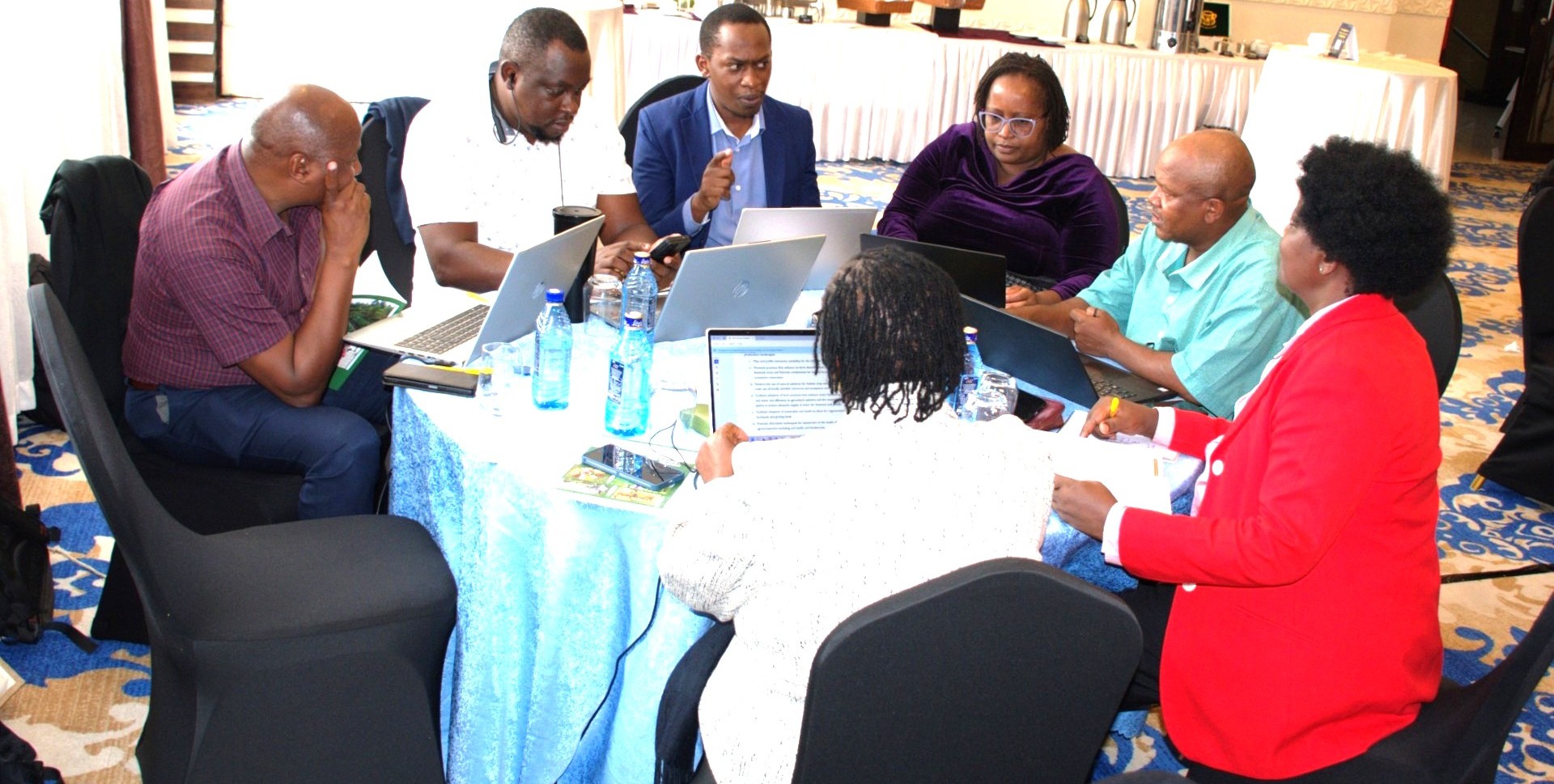
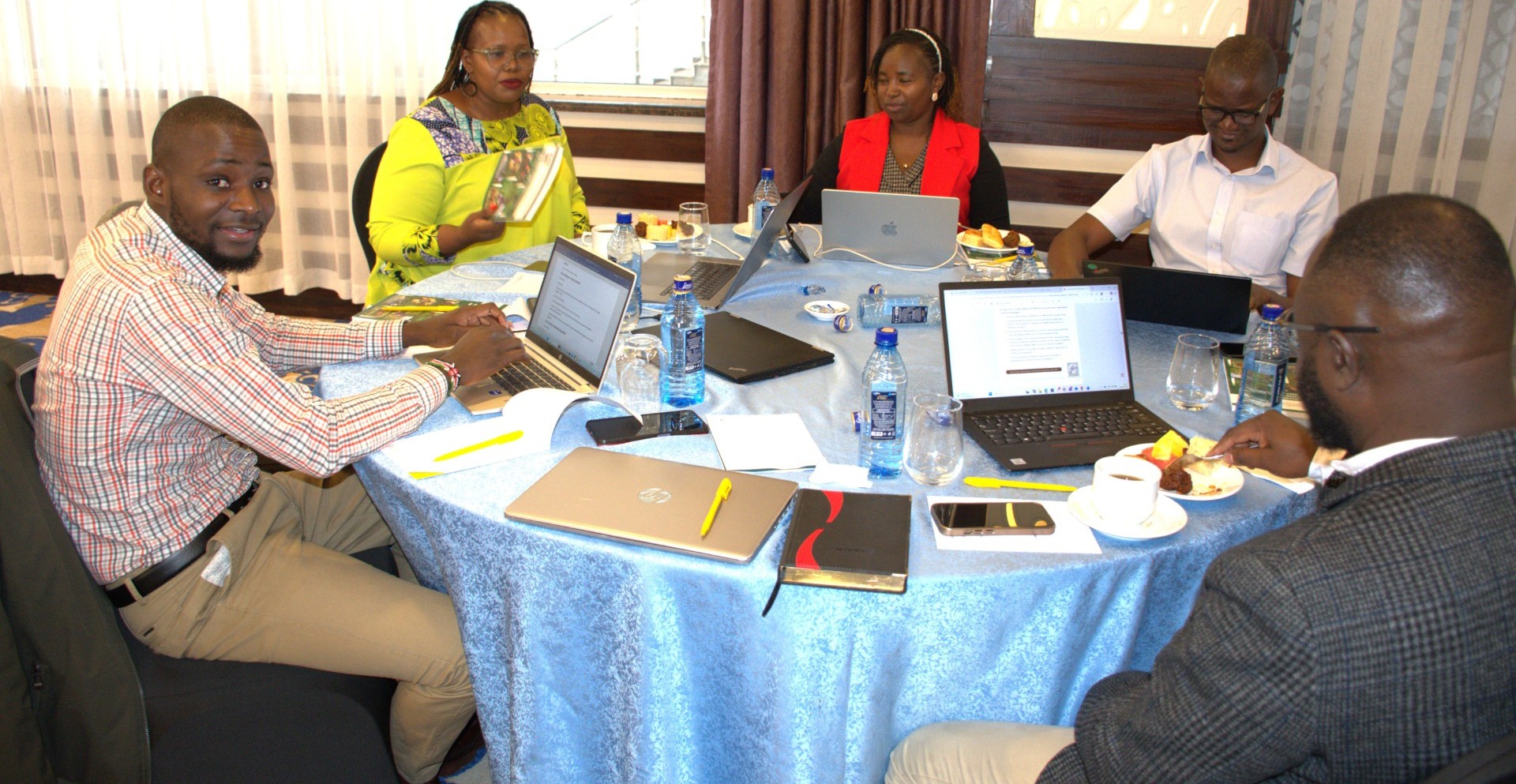
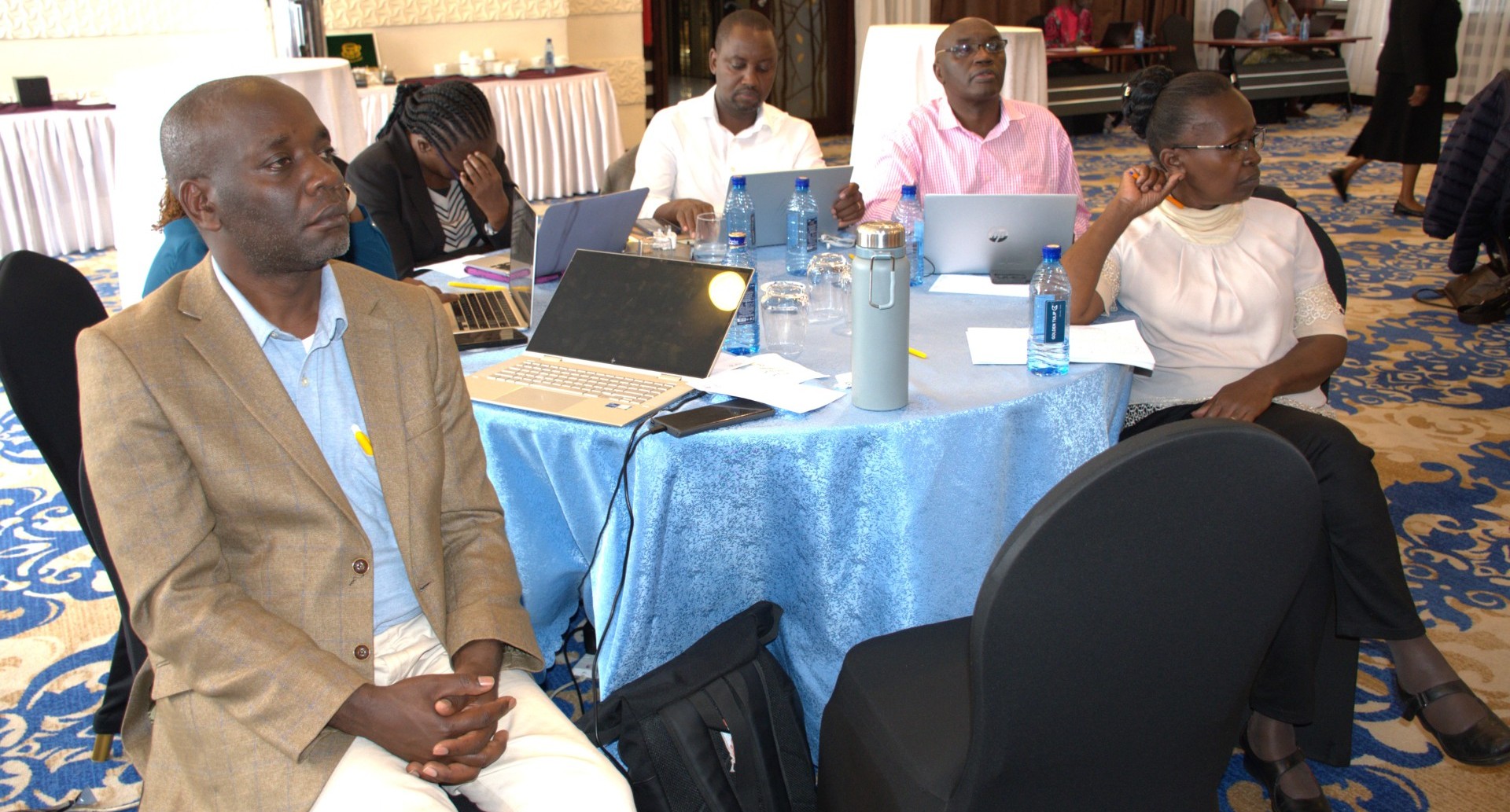
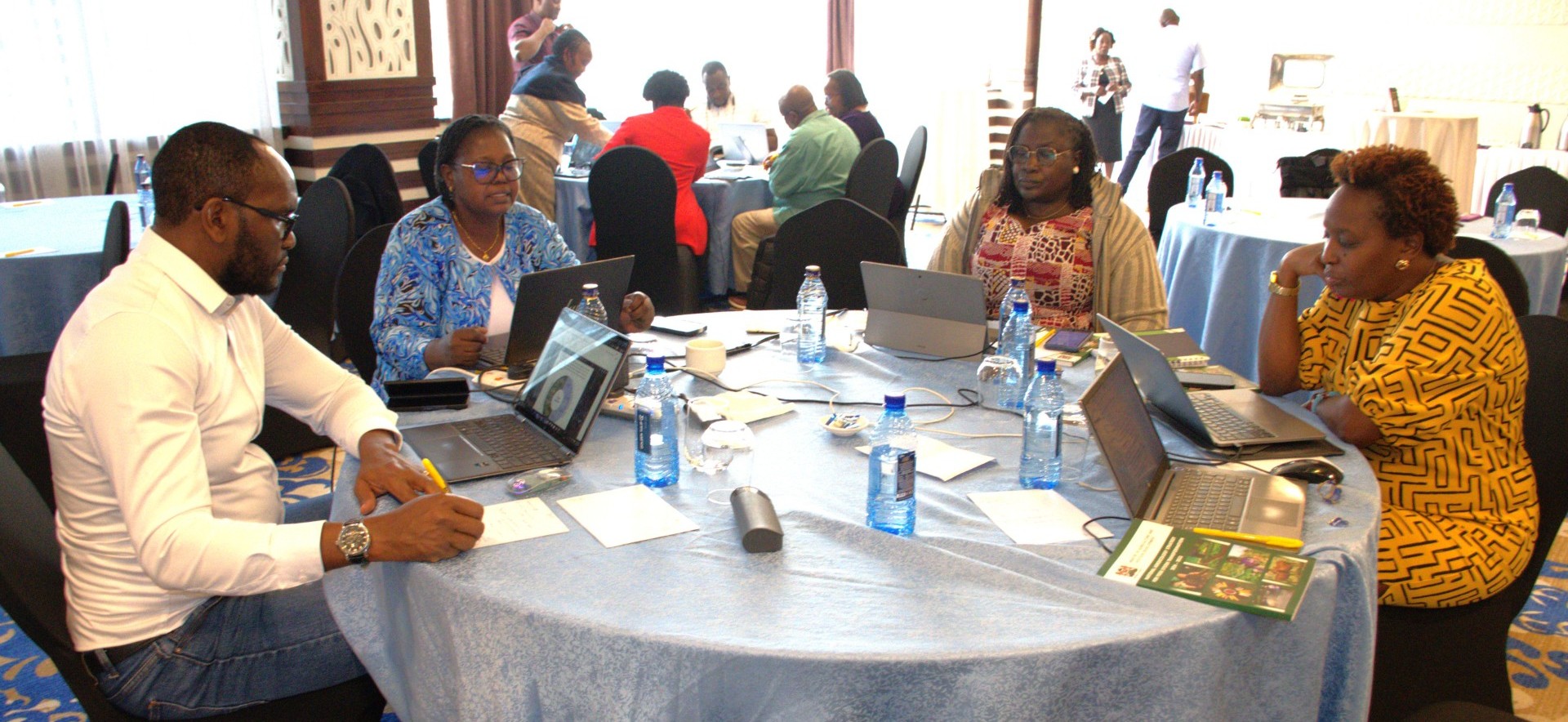
NAIROBI, KENYA—Strengthening coordination mechanisms and implementation arrangements for the delivery of the Kenya National Agroecology Strategy; strengthening capacities of stakeholders for implementation of the Strategy; developing and implementing the monitoring and evaluation framework for the Strategy. These are some of the key recommendations from the Training on Application of ASARECA Policy Manager Tool through Joint Analysis of Kenya’s National Agroecology Strategy for Food System Transformation, held recently in Kenya’s Capital, Nairobi.
Running from May 12 to 15, 2026, workshop participants also called for strengthening of resource mobilization efforts for sustainable financing by government and development partners; strengthening of government commitment to finance the agroecology strategy; and above all, strengthening of coordination mechanisms for roiling out of the strategy.
The ASARECA Policy Manager Tool
This virtual dashboard provides a “policy practice index” that helps countries evaluate their agricultural policies both before and after they are enacted. It serves as a pragmatic decision-support tool to monitor and report on policy success.
The workshop was supported through the Comprehensive Africa Development Programme CAADP-XP4 Programme, which is funded by the European Union and managed by IFAD. The ASARECA Policy Manager tool, being inherently an advocacy tool for adoption of best practices in policy formulation and implementation, is much aligned to the CAADP-XP4 Programmes aim of enabling agricultural research and innovation to contribute effectively to food and nutrition security, economic development and climate mitigation in Africa.
Bridging the Policy Gap
The central goal of the workshop was to enhance the competencies of key stakeholders ranging from policymakers and researchers to farmer organizations in using the ASARECA Policy Manager Tool. By applying this tool specifically to Kenya’s National Agroecology Strategy (2024-2035), participants aimed to identify implementation barriers early and develop a joint action plan to ensure the strategy effectively responds to national and county priorities.
It is estimated that the Agroecology Strategy requires KES 26.8 billion (USD 207.7 million) for implementation, which is expected to be pooled from public and private sources. Its coordination is currently led by the Intersectoral Forum on Agrobiodiversity and Agroecology (ISFAA) and the National Technical Committee on Agroecology at the national level. At the devolved government level, it is planned that technical working groups will be established within County Agriculture Sector Steering Committees (CASSCOM).
Timely intervention
In remarks delivered on his behalf by the Technical Monitoring and Evaluation Officer, Moses Odeke, ASARECA Executive Director, Dr. Sylvester Dickson Baguma explained that the training was a timely intervention meant to harness the benefits of agroecology in food systems transformation. “We need an enabling policy framework that supports and incentivizes the adoption of agroecological practices while reducing risks,” Dr. Baguma noted.
The Kenyan Government was upbeat. In a statement, the Environment Secretary in the Ministry of Environment, Climate Change and Forestry, Kenya, Dr Selly Kimosop said, “This conference is very critical in enhancing competencies of Government officials, stakeholders and other partners in policy analysis. The ASARECA policy management tool is key in helping Government in policy analysis to identify barriers and early corrective action to minimize failures and achieve desired impact to the society.”
Why the Shift to Agroecology?
As agricultural transformation in Eastern and Central Africa (ECA) struggles to keep pace with rapid population growth, public policy failure has emerged as a primary bottleneck. To address this, ASARECA is moving to bridge the functionality gap between digital policy tools and sustainable farming practices. According to Dr. Baguma, conventional methods contribute approximately 30% of total greenhouse gas emissions, largely due to the use of chemical fertilizers, pesticides, and animal wastes. “The push for agroecology (AE) is driven by its potential to provide a viable pathway for transforming food systems into resilient and sustainable models,” Dr. Baguma noted.
Dr. Baguma enumerated some of the key reasons for the strategic shift to agroecology including: Its potential in reducing dependency on expensive external inputs and in providing a low-risk pathway for agri-food transformation; scientific evidence that many agroecological practices, such as agroforestry and organic manure, are considered Climate Smart Agriculture (CSA) technologies; and the role of agroecology in promoting diversified cropping systems, habitat preservation, and soil health.

The Kenya Agroecology Strategy
Kenya’s National Agroecology Strategy (2024–2033) is designed to provide transformative pathways to address food system challenges in Kenya. The strategic objectives include: Transitioning to resilient and sustainable food systems; promoting sustainable consumption and healthy diets; creating an enabling environment and incentives for scaling up agroecology; strengthening research, innovation, training, and co-creation; enhancing social equity, inclusion, and participatory governance.
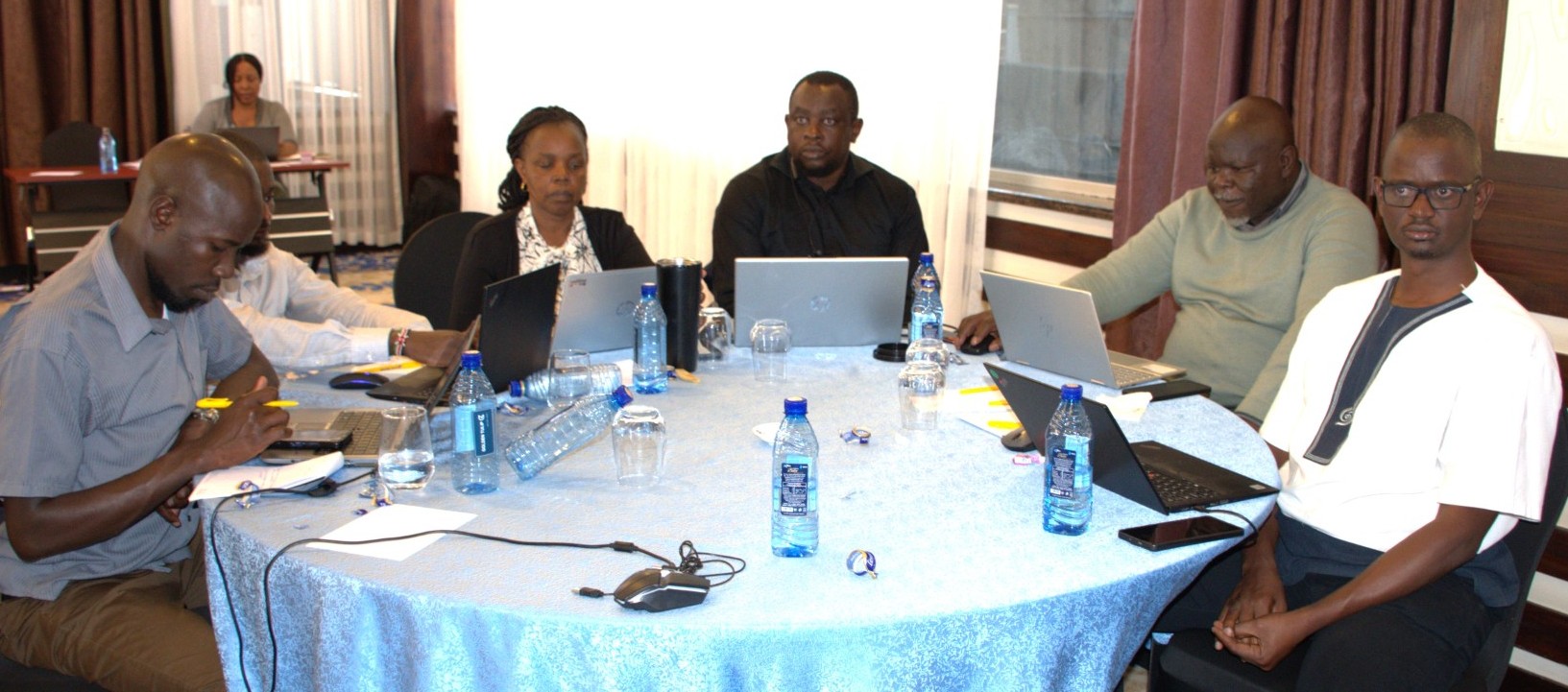
Formulated to redirect resources toward sustainable food systems, this strategy was used as the primary test case for the ASARECA digital policy tool. The workshop used the tool to review implementation so far and identify lessons learned to minimize the risk of policy failure.
A Regional Mandate for Change
ASARECA, an intergovernmental body representing 15 member states, is mandated to coordinate human and financial capital to increase agricultural productivity and resilience across the sub-region. This initiative falls under the CAADP-XP4 project, funded by the European Union and managed by IFAD, which identifies enabling policy environment as the cornerstone of economic development and food security.
Traditional agricultural policies in Africa have often failed due to a lack of pragmatic decision-making tools for monitoring implementation. By bringing together the Ministry of Agriculture and Livestock Development (MoALD), KALRO, and civil society organizations, the workshop sought to move beyond “plodding” progress toward a future where evidence-based policy drives a resilient rural economy.
Through this engagement, Kenya was expected to adopt key recommendations to improve its agroecology roadmap, providing a blueprint for other ASARECA member states to follow.