
EAC Identifies Critical Crop Pests to Secure Regional Trade and Agriculture
BY BEN MOSES ILAKUT
KAMPALA, UGANDA—In a major push to eliminate non-tariff trade barriers and safeguard agriculture across East Africa (Burundi, Kenya, Rwanda, South Sudan, Tanzania, Uganda, DRC, and Somalia), technical experts have finalized critical Pest Risk Analyses (PRAs) and accompanying harmonized Standard Operating Procedures (SOPs) targeting high-risk threats to the region’s most vital priority crops.
Concluding a high-level regional write-shop in Kampala from May 26 to 29, 2026, the joint initiative by ASARECA and the East African Community (EAC) Secretariat successfully isolated the specific biological threats facing avocado, pineapple, and groundnut, soybean trade.
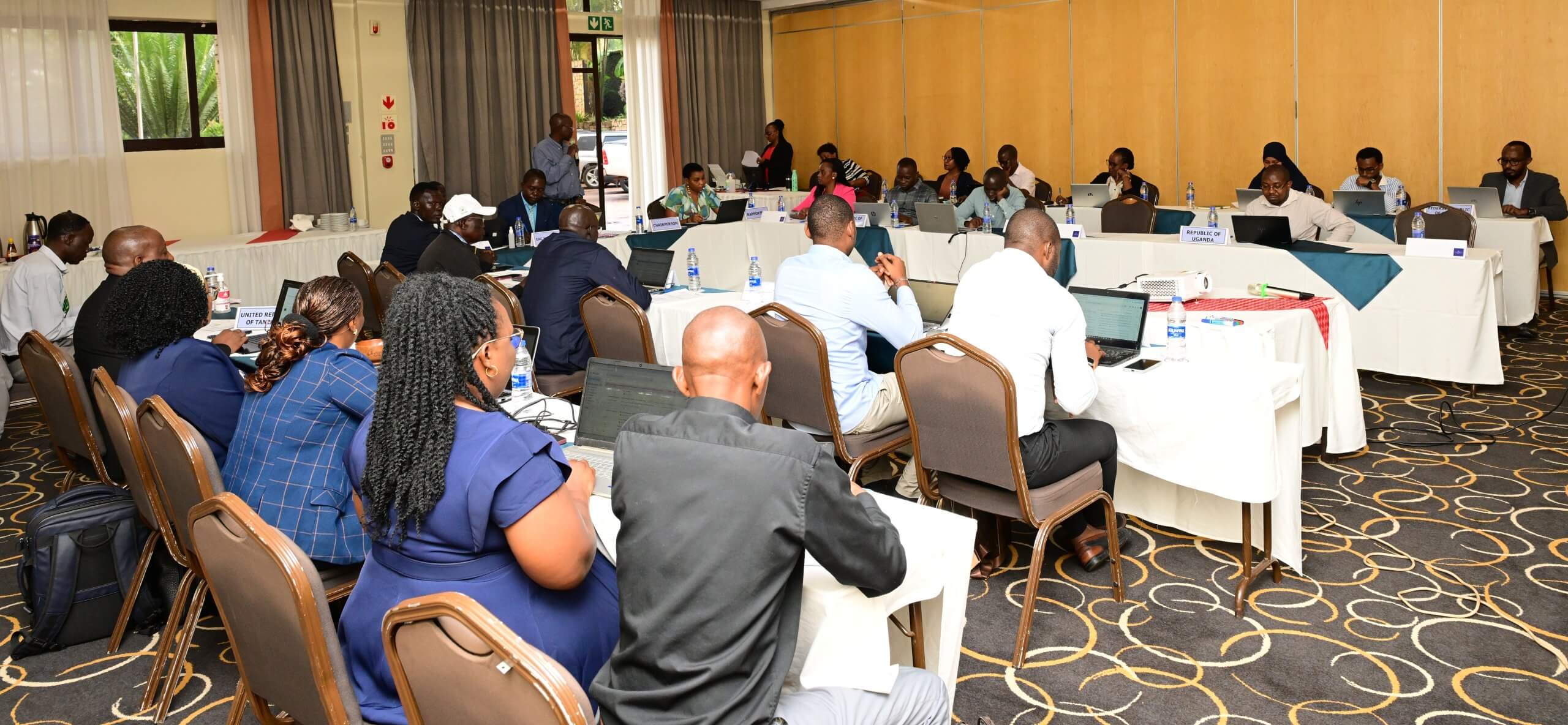
Strong institutional backing
The regional workshop was supported through funding by the European Union, and the International Fund for Agricultural Development (IFAD) through the Comprehensive Africa Agriculture Development Programme ex-pillar IV (CAADP-XP4) project.
The scientific breakdown below represents the core breakthroughs of the Kampala workshop, outlining the specific high-risk pests now targeted for strict regional phytosanitary management as well as Standard Operating Procedures to ensure expediency, accountability and transparency at the border posts.
Critical Pest Risks Identified
Pest Risk Analysis for Avocado Fruits
A qualitative Pest Risk Analysis (PRA) was initially developed by the EAC Secretariat in March 2026 to harmonize regional phytosanitary trade standards for avocado fruits (Persea americana). Prepared by a multi-national technical working group within the EAC, the study evaluates the risks of introducing quarantine pests via cross-border trade between Partner States, including major producers like Kenya and Tanzania.
The Kampala findings: The Kampala workshop undertook further in-depth analysis and categorized 118 avocado-associated pests (73 insects, 25 fungi, 11 nematodes, 4 bacteria, 2 viruses, and 1 alga). Of these, 24 fruit associated pests with limited regional distribution underwent detailed risk assessment which considered mode of introduction, establishment, spread, and economic impacts.
High risk threats: Ultimately, six high-risk pests were identified as requiring strict regional phytosanitary management and mitigation measures to protect plant health and facilitate safe trade. They include two fungi—colletotrichum acutatum and Sclerotinia sclerotiorum. Four insects—ceratitis capitata, ceroplastes rubens, ferrisia virgata, and planococcus citri.

Pest Risk Analysis for Avocado planting materials
The May 2026 Pest Risk Analysis by the EAC Technical Working Group addressed phytosanitary risks associated with cross-border trade of avocado planting materials among member states to ease the movement of secure, certified avocado seed and planting materials.
The analysis determined that nursery seedlings and grafted budwood (scions) pose a high risk due to latent invisible infections and a lack of uniform regional certification. Initial screening evaluated 16 insects, 6 fungi, 5 oomycetes, 3 nematodes, 2 viroids, 1 bacterium, and 1 mite. Ultimately, 23 critical pests including Avocado sunblotch viroid, various scale insects, mealybugs, and root pathogens were categorized as requiring strict phytosanitary management.

Pest Risk Analysis for Pineapple
Initiated by the EAC Secretariat in May 2026, this risk assessment aims to facilitate the safe cross-border trade of pineapple fruits and suckers among member states.
The Kampala write shop in-depth analysis identified 61 pests associated with pineapples in the region. Following categorization, 41 pests were selected for detailed risk assessment, culminating in 21 specific pests including bacteria, fungi, insects, a mollusk, and a virus designated for strict phytosanitary measures. Major threats such as Dickeya chrysanthemi (bacterial wilt) and Phytophthora cinnamomi were pin pointed to as holding high risks for regional establishment and spread due to warm tropical climates, high reproductive potential, latent detection profiles, and informal trade pathways.

Pest Risk Analysis for Groundnuts
Groundnuts cover 2.5–3 million hectares in the EAC, generating USD 1.2–1.5 billion annually, with grain comprising up to 90% of production. The EAC Secretariat conducted a qualitative Pest Risk Analysis to standardize and facilitate regional groundnut (seed and grain) trade while protecting against agricultural threats.
A total of 15 high-risk pests were prioritized for phytosanitary regulation and management after being evaluated for their likelihood of introduction, establishment, spread, and potential to cause severe economic losses (such as post-harvest value reduction and aflatoxin contamination). These include 10 Insects—Caryedon serratus (groundnut bruchid), Prostephanus truncatus (larger grain borer), and Trogoderma granarium (khapra beetle); Fungi—Aspergillus flavus, Aspergillus parasiticus, and Macrophomina phaseolina; and 2 Viruses—Circovirus CMV and Potyvirus arachidis. Consequently, strict regional phytosanitary measures and monitoring protocols have been established to mitigate these trade risks.
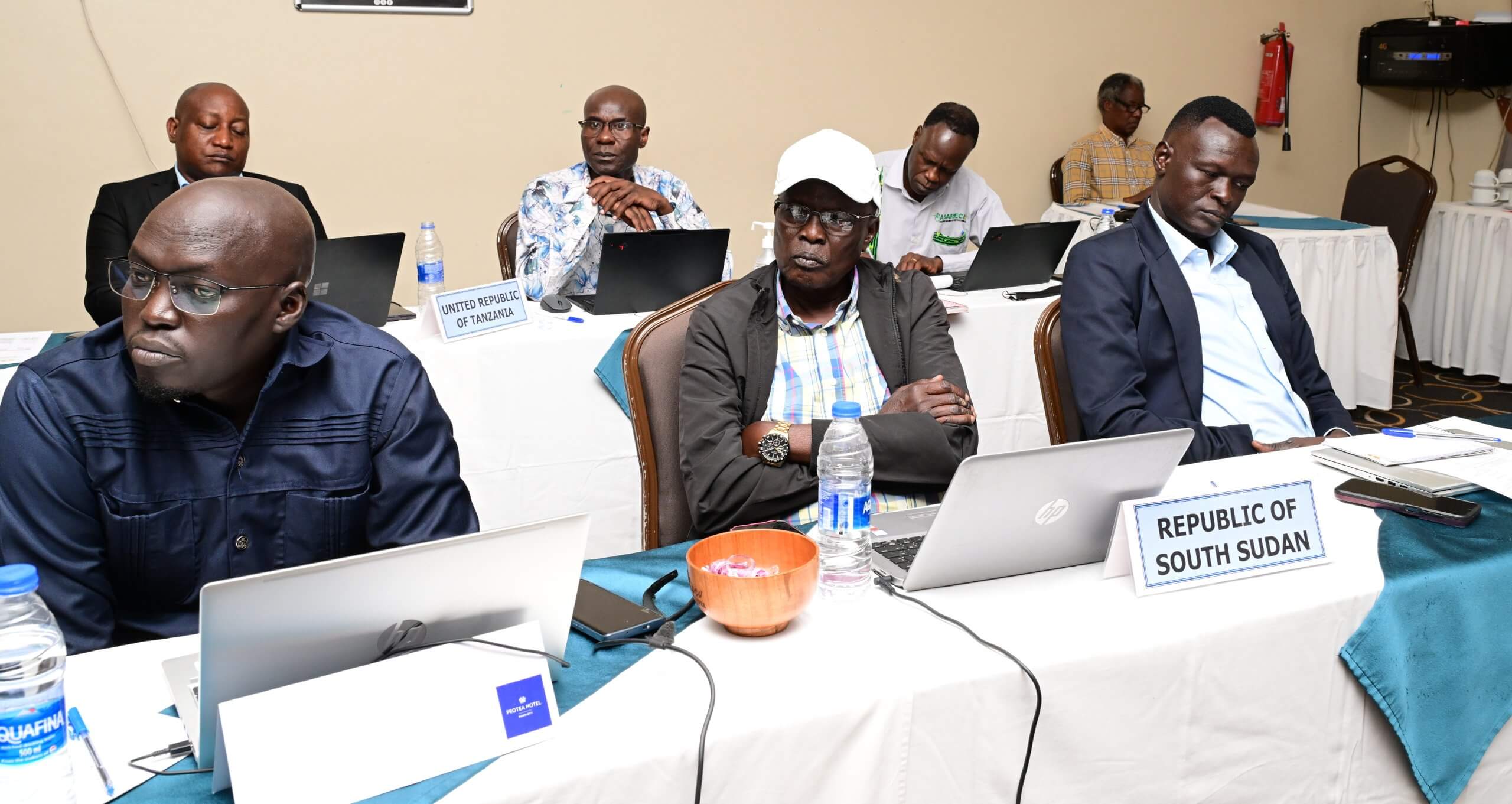
New boarder protocols to guard regional trade
To operationalize these scientific findings, the Kampala workshop also finalized strict, uniform Standard Operating Procedures (SOPs) designed to harmonize border inspections and eliminate arbitrary trade barriers across the EAC.
Soybean and groundnut seed and grain
Built upon the 2013 EAC SPS Protocol, the new guidelines establish a rigorous, multi-layered inspection process for the two crops. The SOPs include: Verification of phytosanitary permits, certificates of origin, and analysis certificates to confirm consistency and consignment integrity; precise, statistically driven sampling intensities for all shipment sizes ranging from small packages under 100 kg to bulk lots exceeding 20,000 kg; visual and laboratory checks targeting medium-to-high risk insects, viruses, and fungi, looking for signs like frass, boring holes, mottling, and mold; referrals of unidentifiable pathogens to accredited labs; definitive post-inspection decision matrix that leaves no room for ambiguity, mandating that shipments either be released, treated, rejected, re-exported, or destroyed based on risk level.

Avocado fruits and planting materials
Addressing the high risk of latent invisible infections in nursery seedlings and grafted budwood, a newly harmonized SOP mandates rigorous document screenings paired with risk-based statistical sampling. Border officials will combine meticulous visual examinations with laboratory validation to intercept medium-to-high risk insects, fungi, and viroids before directing shipments toward clearance, treatment, or absolute destruction.

Pineapple fruits and suckers
Designed to secure the cross-border movement of pineapple commodities, a standard operating protocol has been designed to enforce systematic verification of consignment documentation and integrity. Under the new guidelines, inspectors will execute risk-based sampling to intercept targeted regional threats including high-risk bacteria, fungi, insects, mollusks, and viruses with all suspected pathogens referred for swift laboratory confirmation.
Fast-tracking regional validation
Going forward, the write shop agreed that the EAC Secretariat and Partner States will within the coming days mobilize resources to fast-track the convening of national and regional validation of the Pest Risk Analyses and Standard Operating Procedures for groundnuts, soybeans, avocado, and pineapple.

Context of the Kampala write shop
The Kampala engagement is the final step in a rigorous, science-based regional process that began with pest categorization in November 2025, followed by drafting foundational PRAs in Zanzibar (March 2026) and initial SOPs in Dar es Salaam (April 2026). The ultimate goal is to compile polished, policy-ready instruments for formal endorsement by the EAC Sectoral Council on Agriculture and Food Security in June 2026.
Speaking during the opening session, Mr. David Wafula, the CAADP Coordinator at the EAC Secretariat, underscored the practical trade value of the technical documents.
“These Pest Risk Analyses provide the scientific basis necessary for identifying and evaluating pest risks associated with cross-border trade,” Wafula noted. “We have convened in Kampala to finalize both the PRAs and the corresponding Standard Operating Procedures (SOPs), ensuring that the scientific findings are translated into practical, harmonized, and operational procedures that can be applied consistently across all Partner States.”
He added that completing this framework fulfills the EAC Protocol on Sanitary and Phytosanitary (SPS) Measures, preventing the spread of harmful pests while enhancing agricultural competitiveness.

Unlocking opportunities for farmers
ASARECA Executive Director Dr. Sylvester Dickson Baguma reminded delegates that their intense work would yield transformative economic tools rather than just technical paperwork.
“When completed and implemented, these outputs will contribute to improved enforcement of SPS measures and harmonized inspection procedures, reduction of non-tariff barriers related to plant health, and increased cross-border trade,” Dr. Baguma noted. “Ultimately, this work is about unlocking market opportunities for farmers, enhancing regional food security, and strengthening economic resilience.”
He urged technical experts from Burundi, Kenya, Uganda, Tanzania, Rwanda, South Sudan, the Democratic Republic of Congo, and Somalia to maintain a shared commitment to regional harmony over national differences.