From Koboko to Pallisa: Farmers Turn to Biological Control in the Fight Against Parthenium
By Genevieve Apio
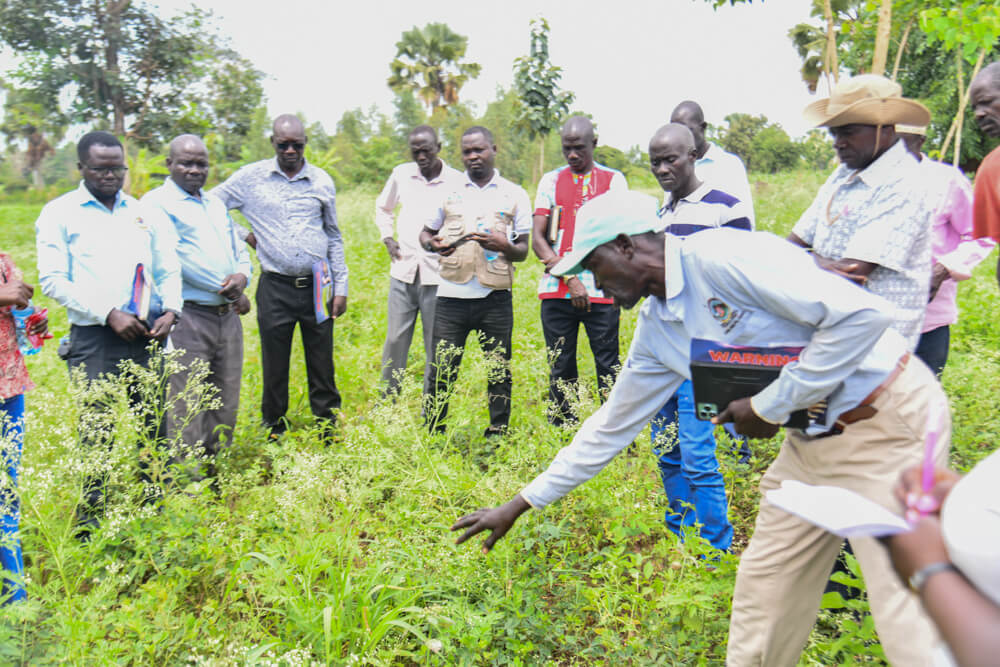
KOBOKO/PALLISA, Uganda — For farmers confronting the spread of Parthenium hysterophorus, the invasive weed is more than an unwanted plant. Once it establishes itself in a garden, farmers say it competes aggressively with crops, affecting their growth and threatening the productivity of land on which families depend.
In Koboko and Pallisa districts, those experiences formed the human face of a wider effort to take biological control technologies out of research institutions and closer to the communities that need them.
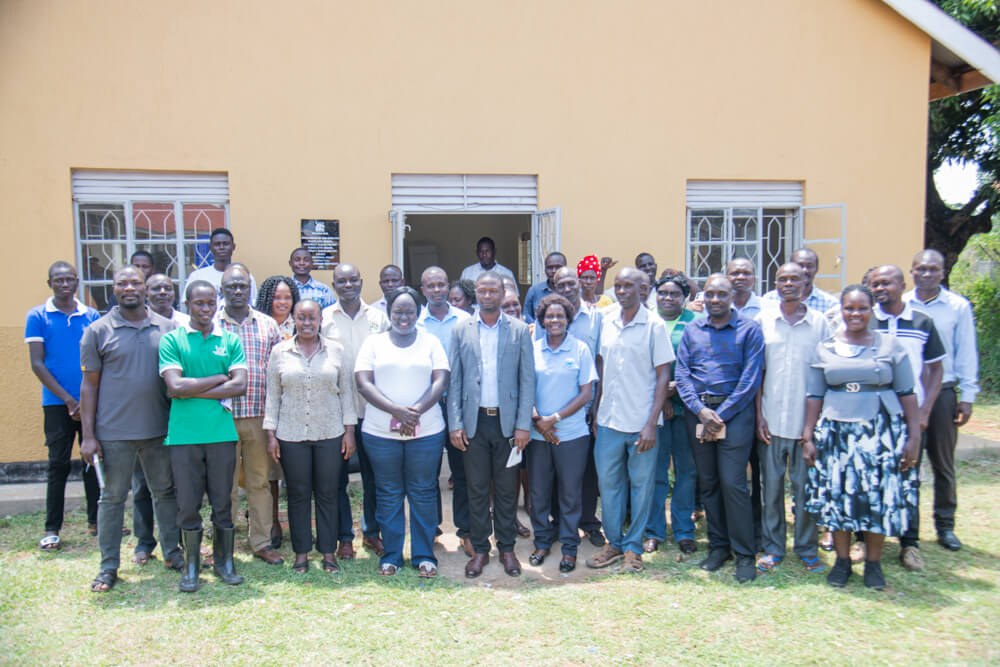
The Association for Strengthening Agricultural Research in Eastern and Central Africa (ASARECA), in partnership with the National Agricultural Research Organisation (NARO), Uganda’s Ministry of Agriculture, Animal Industry and Fisheries (MAAIF) and the respective District Local Governments, engaged farmers, extension personnel and district leaders in practical learning on the biological control of invasive species, with particular attention to Parthenium.
The intervention is implemented under the Comprehensive Africa Agriculture Development Programme ex-Pillar 4 (CAADP-XP4), with financial support from the European Union (EU), administered through the International Fund for Agricultural Development (IFAD).
Koboko and Pallisa, together with Kayunga, were prioritised for the intervention because of the prevalence and devastating effects of invasive weeds, particularly Parthenium hysterophorus.
The activities were undertaken in Koboko District on 20–21 August 2026 and in Pallisa District on 24–25 August 2026, as part of a wider intervention targeting Kayunga, Koboko and Pallisa districts.
From Research to Farmers’ Fields
For many farmers, the urgency of controlling Parthenium is already evident in their gardens.
Farmers participating in the engagements described an invasive weed that spreads quickly and competes with crops for the resources they need to survive. Several said that once the weed takes hold, crops struggle to thrive, leaving farmers worried about declining yields and the future productivity of their land.
“This weed destroys our gardens. When it grows among our crops, it takes over the garden and affects the roots of the plants. If we leave it uncontrolled, we fear that we shall continue losing our crops,” one farmer explained during the engagement.
The farmers’ experiences underscore why controlling invasive species cannot depend on awareness alone. Communities also need practical, affordable and environmentally sustainable solutions that can be applied at farm level.
Ugandan research institutions have developed and validated environmentally friendly biological control technologies, but adoption among smallholder farmers remains limited. The intervention seeks to bridge this gap by establishing demonstration sites, training farmers and strengthening extension support systems.
At the centre of the Parthenium intervention is a remarkably small organism being enlisted against a much larger agricultural problem: a beetle that acts as a natural enemy of the invasive weed.
Instead of depending exclusively on chemical control, biological control uses living organisms to suppress target pests or invasive species. The approach provides farmers with an environmentally friendly management option while contributing to efforts to reduce dependence on hazardous synthetic pesticides—one of the expected outcomes of the wider intervention.

In her opening remarks, Blaise Amony, Program Officer, Capacity Strengthening at ASARECA, said taking proven technologies to communities is essential if investments in agricultural research are to translate into meaningful change for farmers.
“Research has already provided us with technologies that can help communities manage some of these agricultural challenges sustainably. Our responsibility is to ensure that these solutions do not remain within research institutions. We must work with NARO, MAAIF, district extension systems and farmers so that the technologies reach the last mile, where they can make a difference in farmers’ fields,” she said.
She noted that strengthening farmers’ knowledge is equally important because communities must understand the technology if they are ultimately to champion its use.

Representing MAAIF, Dr. Joab Tugume emphasised the importance of linking research-based technologies with government extension structures and farming communities.
“The value of a technology is realised when it reaches the farmer and responds to a challenge in the field. Through collaboration among MAAIF, NARO, ASARECA, district local governments and farming communities, we can strengthen the systems needed to take biological control technologies to farmers and support their responsible use,” Dr. Joab said.
The role of district extension systems is particularly important because the intervention is designed not only to establish demonstration sites but also to train extension officers and community-based trainers and distribute biological control materials through government extension systems.
Koboko moves from demonstration to a local rearing unit
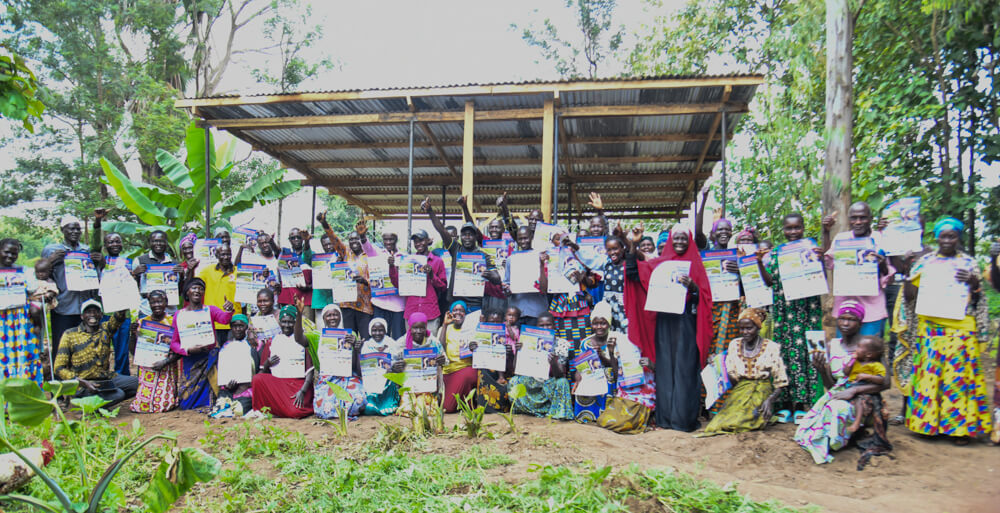
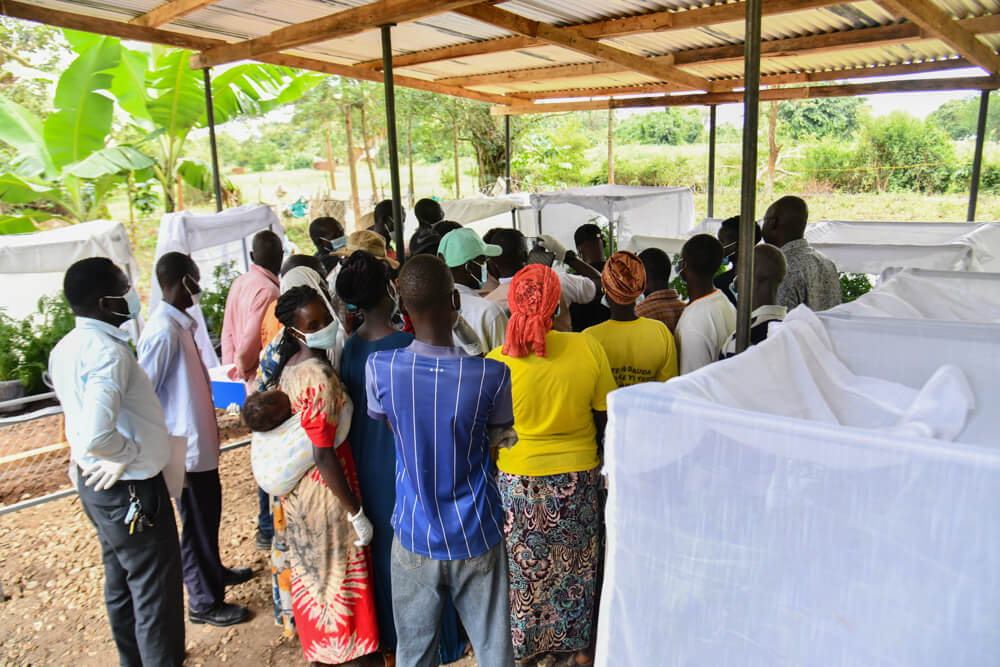
On 20–21 August 2026, farmers, extension personnel, district officials and other stakeholders in Koboko District participated in practical training on the biological control of invasive Parthenium.
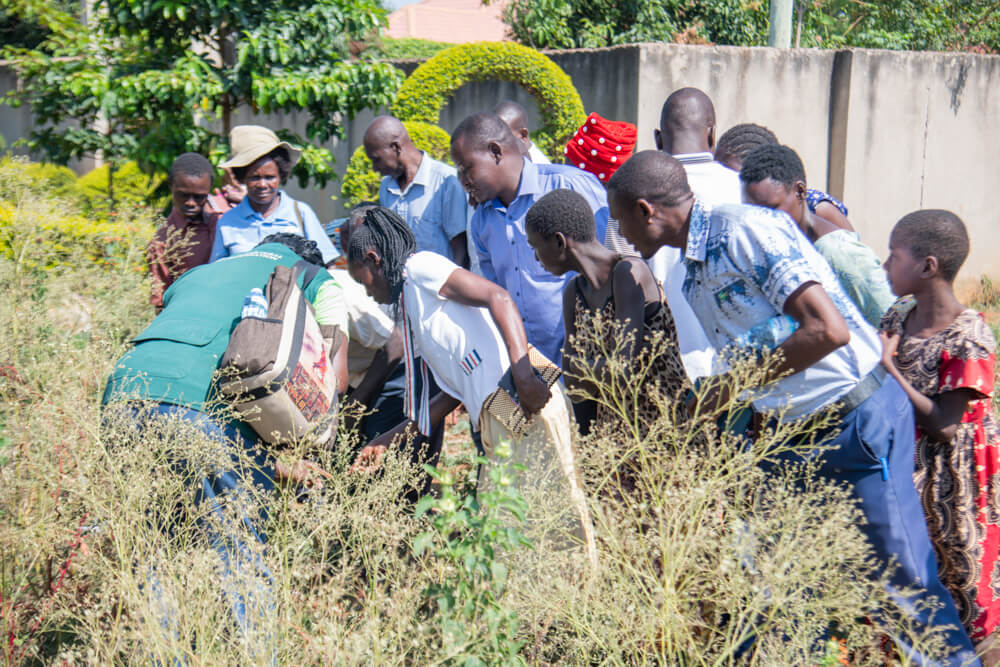
Farmers were taken through the technology practically, enabling them to see the beetles and observe how Parthenium plants are infested with the biological control agents.
The hands-on approach gave farmers an opportunity to move beyond simply hearing about biological control to seeing how the technology works and asking questions about the beetles, their interaction with Parthenium and what farmers should expect after their release.
The two-day engagement also culminated in the launch of a beetle-rearing unit at Lobella Village in Koboko District, creating a local platform through which biological control agents and technical knowledge can be brought closer to communities affected by the invasive weed.
The Koboko District Agricultural Officer, who visited the newly launched unit, welcomed its establishment as an important addition to the district’s efforts to strengthen sustainable agricultural extension services.
“The establishment of this unit in Koboko brings the technology closer to the people who need it. Our extension workers and farmers now have an opportunity to learn practically about biological control and how it can complement the approaches we are already using to manage invasive species. As a district, we will continue supporting farmer sensitisation and linking communities to the technical knowledge they need to use this technology appropriately,” the DAO said.
For farmers who had previously known Parthenium mainly as a persistent weed in their fields, seeing the beetles and the infestation process firsthand helped make the science behind biological control more tangible.
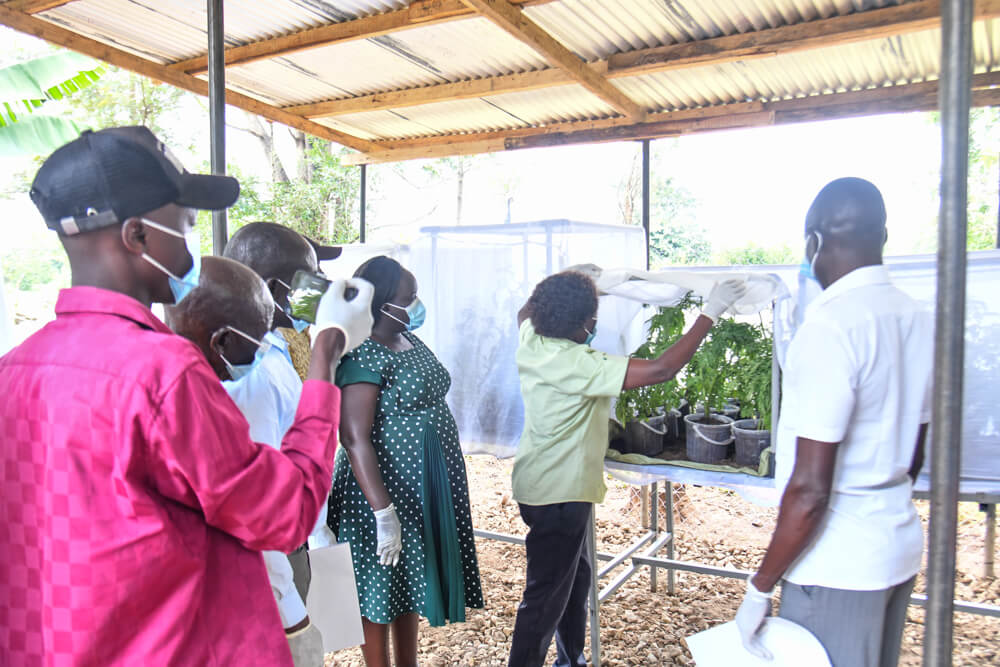
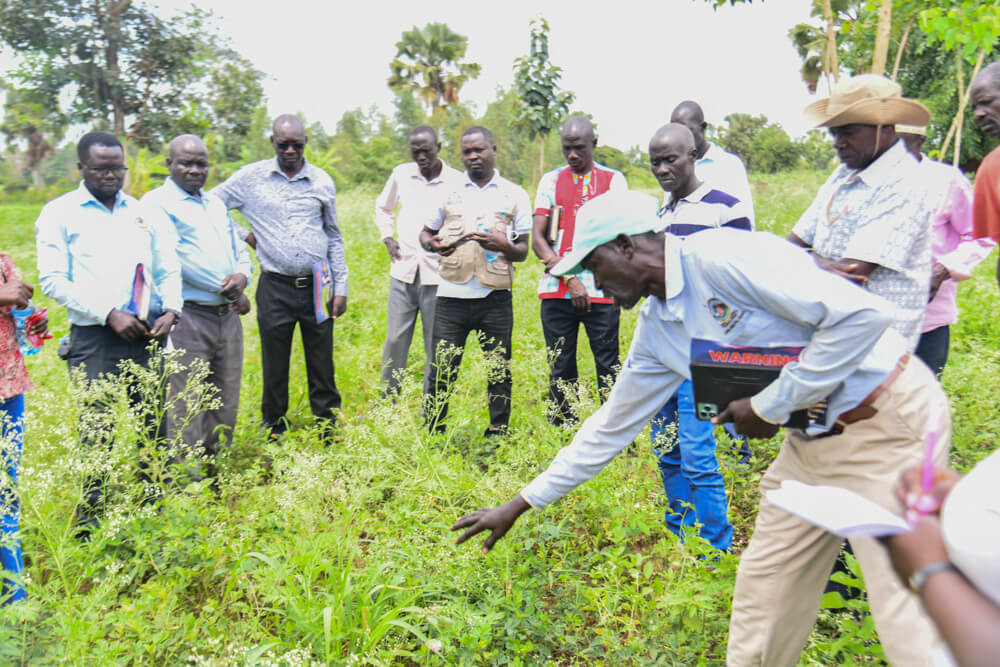
Stella Adumo, from NARO who led the practical infestation demonstration, took farmers and extension personnel through the process of introducing the beetles onto Parthenium plants and explained what they should observe as the biological control agents establish themselves.
“Farmers need to see the technology working practically. When they see the beetles, observe how they are introduced onto the Parthenium plants and understand what happens afterwards, it becomes easier for them to appreciate biological control and participate in monitoring it in their communities,” Adumo explained.
The practical approach reflects the intervention’s emphasis on field demonstrations, farmer training and knowledge transfer rather than simply distributing biological control materials without building local capacity.
Pallisa demonstrates what local multiplication can achieve
From 24–25 August 2026, the intervention moved to Pallisa District, where farmers, extension agents, district officials and other stakeholders were taken through biological control technologies and practical infestation of Parthenium.
Unlike Koboko, where a new unit was being launched, participants in Pallisa visited a beetle-rearing unit that had already been established by NARO earlier in the year.
The facility is already serving as a local platform for multiplication, farmer training, and distribution of biological control agents.
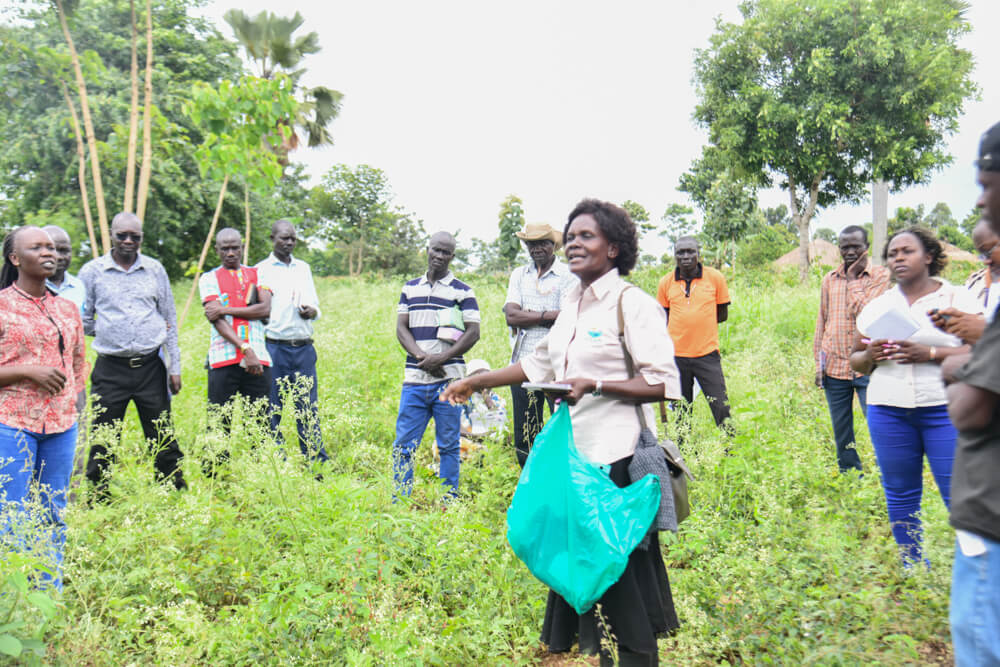
During the two-day engagement, farmers and extension agents were taken through the identification of Parthenium, management of the beetles and practical infestation of Parthenium plants. Participants also visited the field to observe how biological control agents are being applied under actual field conditions.
The Pallisa District Agricultural Officer welcomed the practical approach, noting that strengthening the knowledge of both farmers and extension personnel would be critical to the sustainability of the intervention.

“For this technology to have a lasting impact, our farmers and extension workers must understand it together. The practical training gives our extension personnel the knowledge they need to continue guiding farmers after this activity, while farmers are able to see for themselves how biological control works. This strengthens our capacity as a district to respond to invasive species using approaches that are sustainable and environmentally friendly,” the Pallisa DAO said.
The Pallisa unit is already demonstrating what establishing biological control capacity closer to farming communities can achieve.
According to the manager of the beetle-rearing unit, approximately 400 beetles have so far been distributed to farmers in surrounding areas. The manager has also trained several farmers, helping build local knowledge on the technology and how the beetles can be used in areas affected by Parthenium.
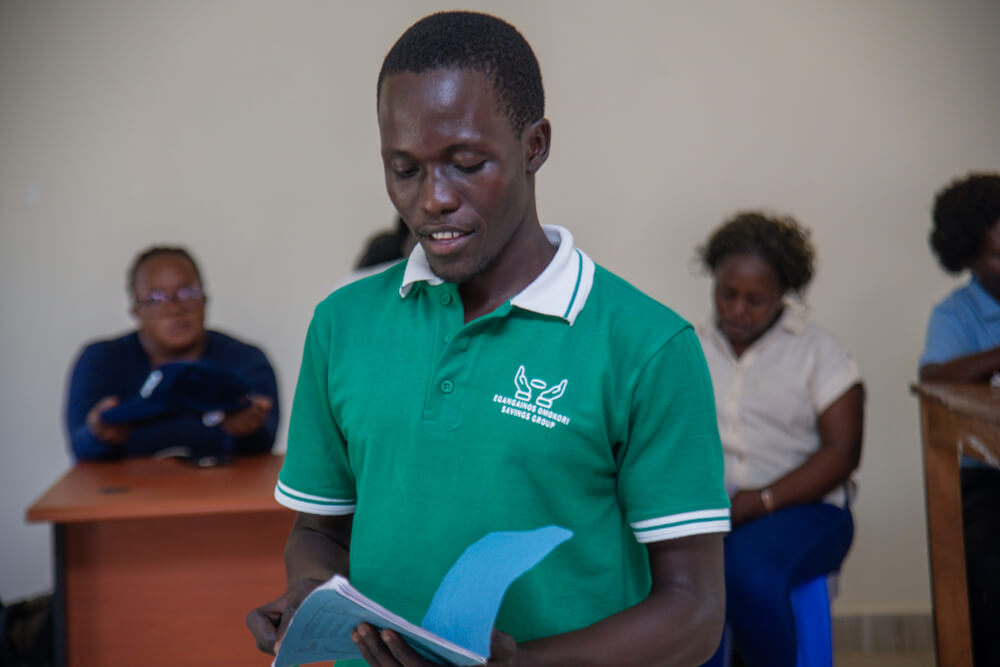
“So far, we have distributed about 400 beetles to farmers around this area. We have also trained farmers so that they understand the purpose of the beetles, how they are used and what they should observe after release. This is helping us extend the technology beyond the unit and into the communities where Parthenium is a problem,” the unit manager said.
The experience demonstrates that a rearing unit can serve as much more than a place for multiplying beetles. It can become a local learning, demonstration and distribution hub, linking research institutions, extension services and farmers.
According to Dr. Katono Kasifa of NARO, building farmers’ understanding of the technology is critical to its effective adoption.
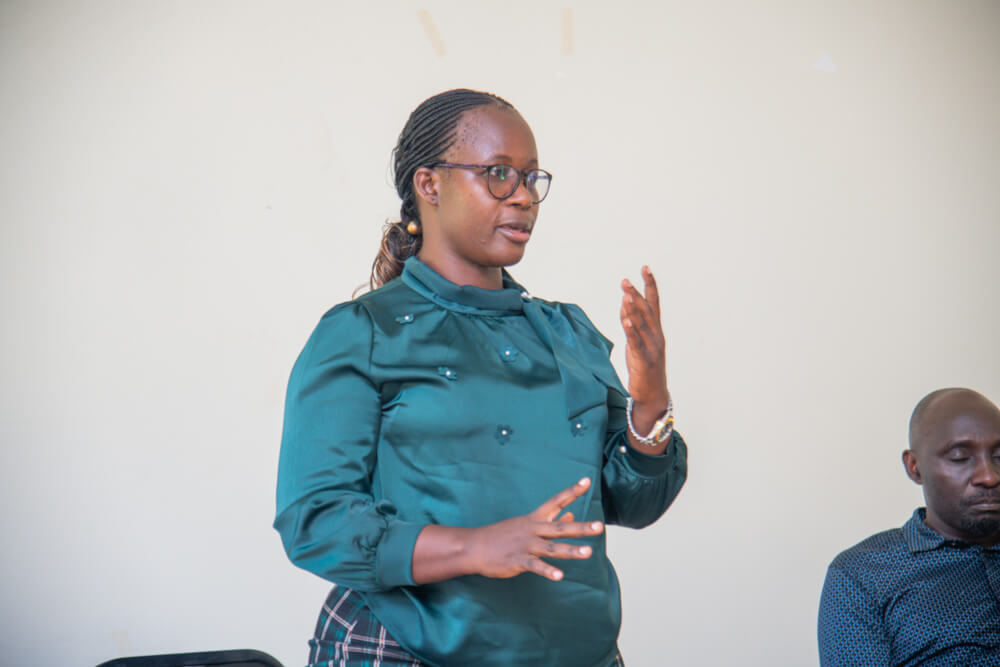
“Biological control offers farmers an environmentally sustainable way of managing invasive species such as Parthenium, but its success depends on farmers understanding how the technology works. Through these practical demonstrations, we are helping farmers and extension personnel recognise the weed, understand the role of its natural enemies and appreciate how biological control can be integrated into existing management practices,” Dr. Katono said.
For ASARECA, NARO, MAAIF and the participating district local governments, the pathway is increasingly visible: from research institutions to local rearing units, from rearing units to extension personnel and trained farmers, and from there into fields affected by Parthenium.
And in Pallisa, where hundreds of beetles have already left the rearing unit for surrounding farming communities, that journey has already begun.