
From Waste to Wealth: How the Black Soldier Fly is Inspiring Ugandan Agriculture
BY BEN MOSES ILAKUT
Across Uganda, a unique agricultural and environmental transformation is shaping up. The Black Soldier Fly (BSF) value chain is systematically transforming environmental waste into economic and valuable environmental opportunities.
In Eastern and Central Africa, livestock and aquaculture farmers face compounding challenges, especially skyrocketing feed costs consuming 60% to 70% of production budgets, severe soil degradation, and mounting urban organic waste.
However, this could change sooner than one can imagine…if the right investments and associated capacity support are consistently deployed to transition this once neglected farmer centric venture with a potential to increase productivity, expand income streams, and create jobs into a sustainable undertaking.
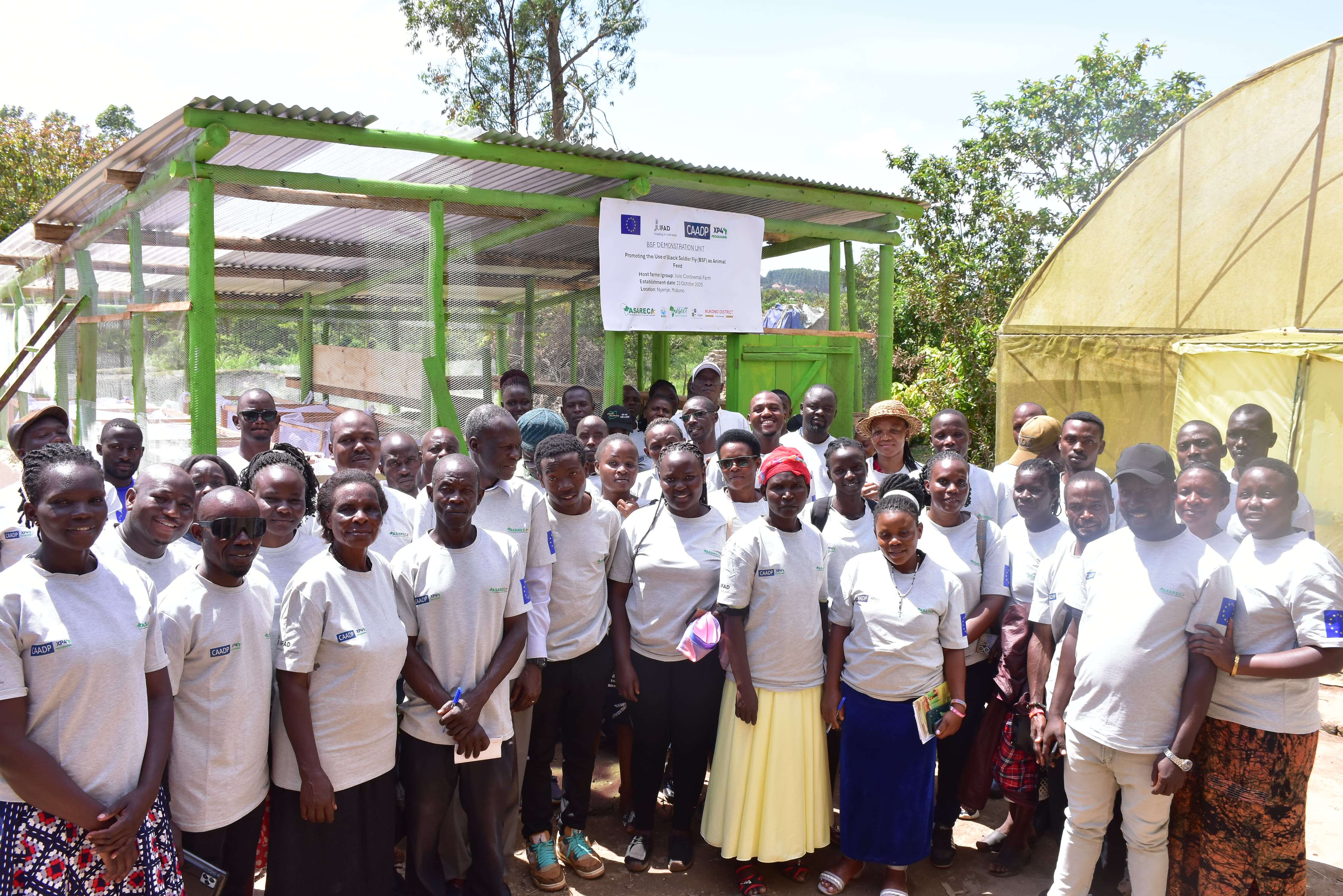
Driven by visionary entrepreneurs, dedicated local leaders, and strategic regional partnerships, most notably through the Association for Strengthening Agricultural Research in Eastern and Central Africa (ASARECA) alongside the National Agricultural Research Organization (NARO), the National Organic Agricultural Movement of Uganda (NOGAMU), Makerere University, ICIPE, the Centre for Insect Research and Development (CIRD), and district local governments, communities are turning mounting municipal and agricultural waste into thriving bio-enterprises.
Supported by the European Union under the DeSIRA initiative and the Comprehensive Africa Agriculture Development Programme Ex-Pillar 4 (CAADP-XP4) Programme, and managed by IFAD, this movement is centered around an unassuming insect, the Black Soldier Fly (BSF).
 The Triple Crisis and the Birth of a Circular Bioeconomy
Traditional farming systems across East Africa have long struggled with skyrocketing production costs. For poultry, piggery, and fish farmers, conventional protein sources such as silver fish (mukene) and commercial feed concentrates have become fiercely competitive and prohibitively expensive. Simultaneously, expanding towns and cities face mounting volumes of unmanaged organic waste that choke landfills and create severe environmental hazards.
However, commercial enterprises like Darwesh Mpungwe Foods Limited in Mayuge District, Eastern Uganda have for some time explored the use of BSF value chain. “We are in this business because we looked at three challenges that face farmers, and the country at large. One is the problem with the wastes, especially the organic wastes, the problem with our landfills. The second aspect is food security, a shortage of fertilizer to boost soil so that crops grow. Then the other aspect is youth unemployment, especially young girls,” says Ibrahim, the General Manager Darwesh Mpungwe Foods Limited.
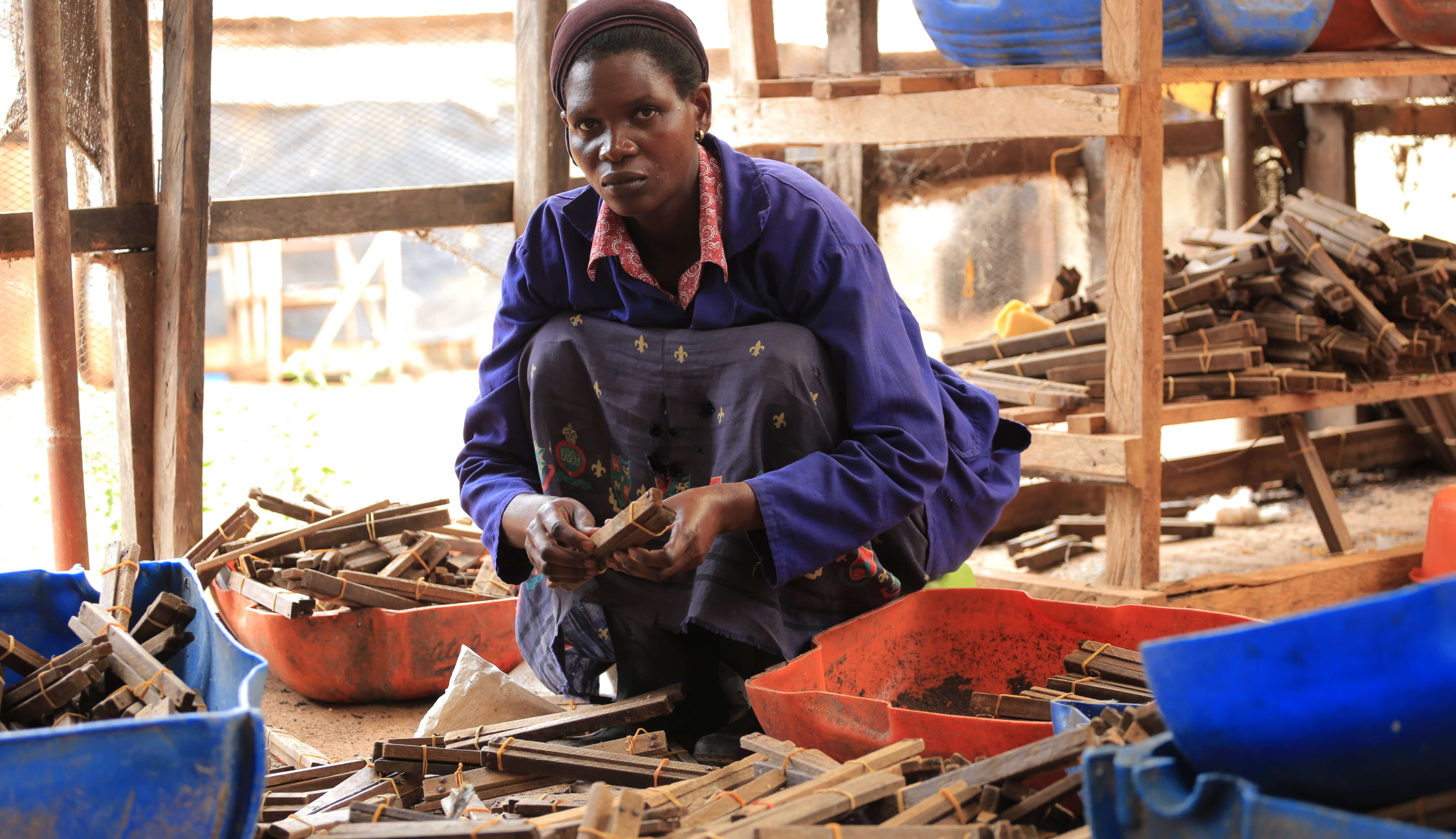
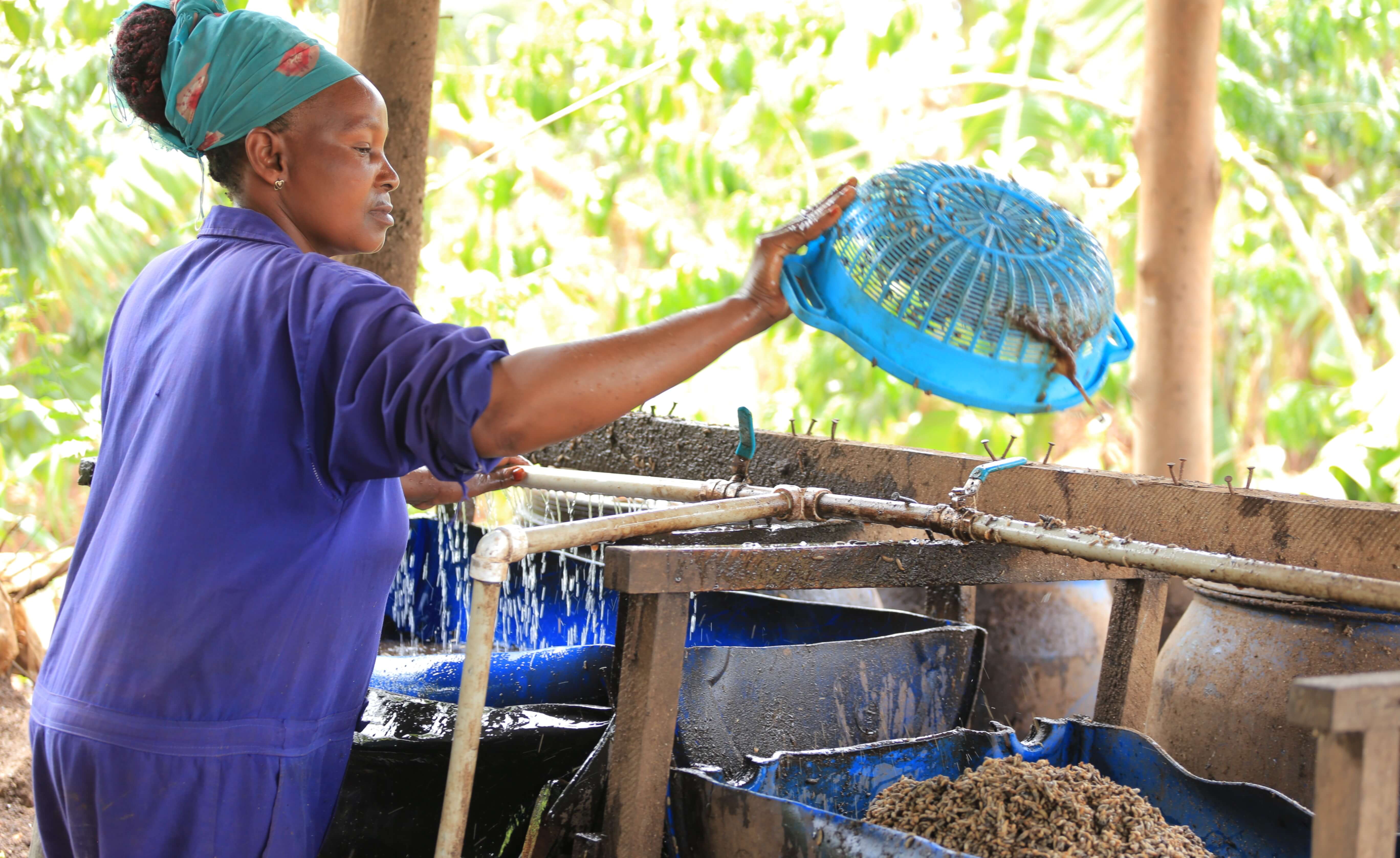
By combining these challenges into a single economic model, Darwesh Mpungwe Foods captures organic waste from markets, restaurants, hotels, and educational institutions, blending it with chicken waste to power a fully circular, bio-based economy. The facility has scaled its operations dramatically since 2019, growing from just three employees to a workforce of 45 people—80% of whom are women.
Today, the facility boasts an extraordinary daily and weekly production capacity of 1 ton of fresh larvae per day (reaching up to 5 tons per day); more than 25 tons organic frass fertilizer per day (with capacity reaching 350 tons per week, supplying local markets as well as international buyers in Finland and Dubai); 2 kilograms of SBF eggs per day; more than 80 kilograms of BSF pupae per day, and 800 kilograms of dried BSF larvae per day.
Technical Precision: Inside the Production Departments
Commercial BSF production is a sophisticated science requiring strict adherence to environmental controls across multiple operational departments:
• Waste Delivery and Fermentation: Organic matter from neighboring cities, agro-processing firms (such as Avu Oil in Njeru, which supplies surplus avocado press waste), and local markets is shredded and treated with microscopical enzymes. This ensures rapid fermentation.
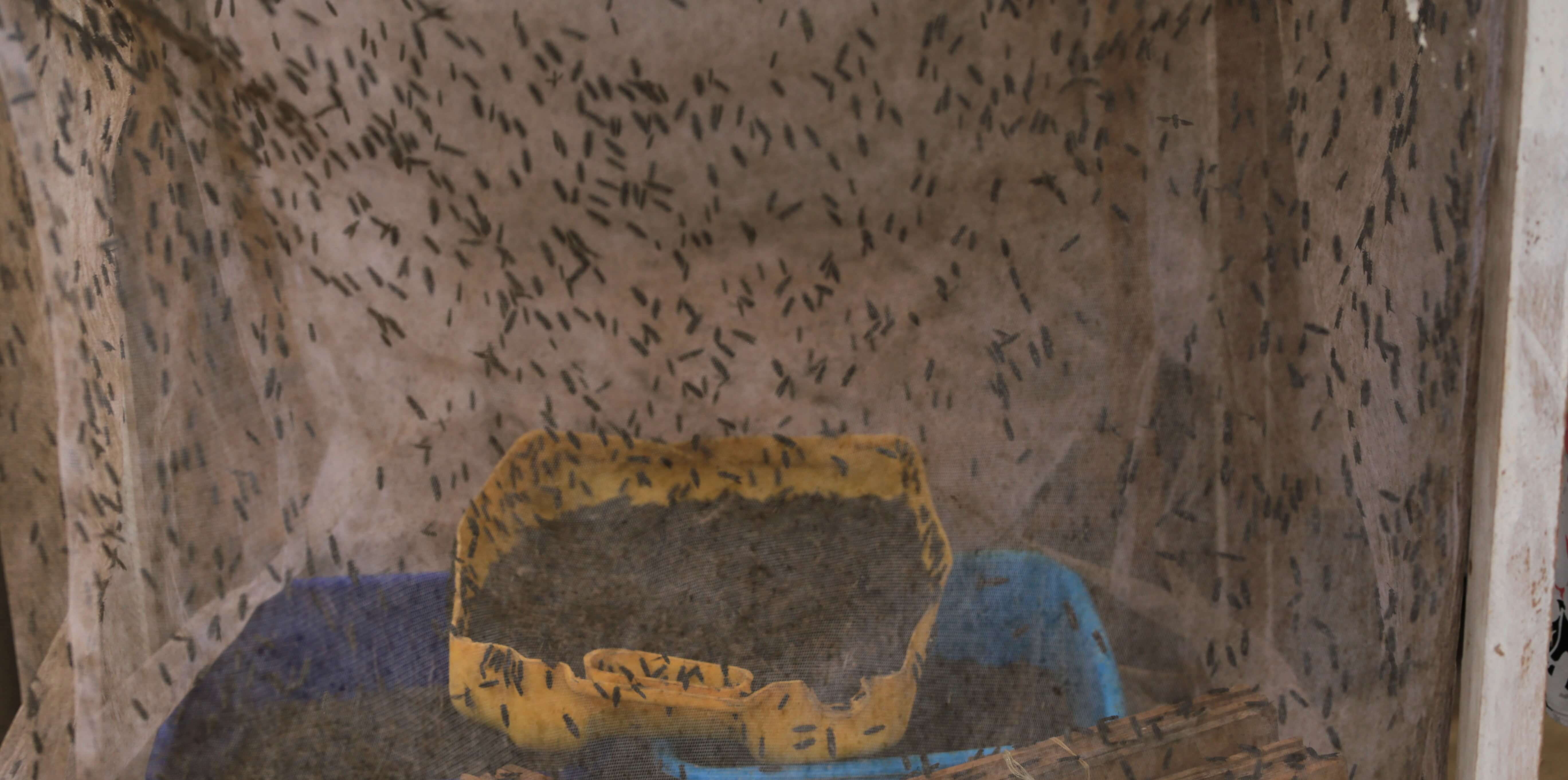
• The Breeding Heart: In the breeding department, pupae are placed inside controlled larvae cages (insectariums or “love nets”) maintained at minimum temperatures of 35°C to 40°C (or 27°C–33°ดิน) and relative humidity levels above 40% (ideal humidity 60–70%). Fermented odorous attractants and water stations stimulate the adult flies to lay their eggs securely on small wooden slats known as “eggies”. Dead adult flies—rich in protein (containing over 76% protein content)—are also harvested and fermented to create potent natural attractants for the cages.
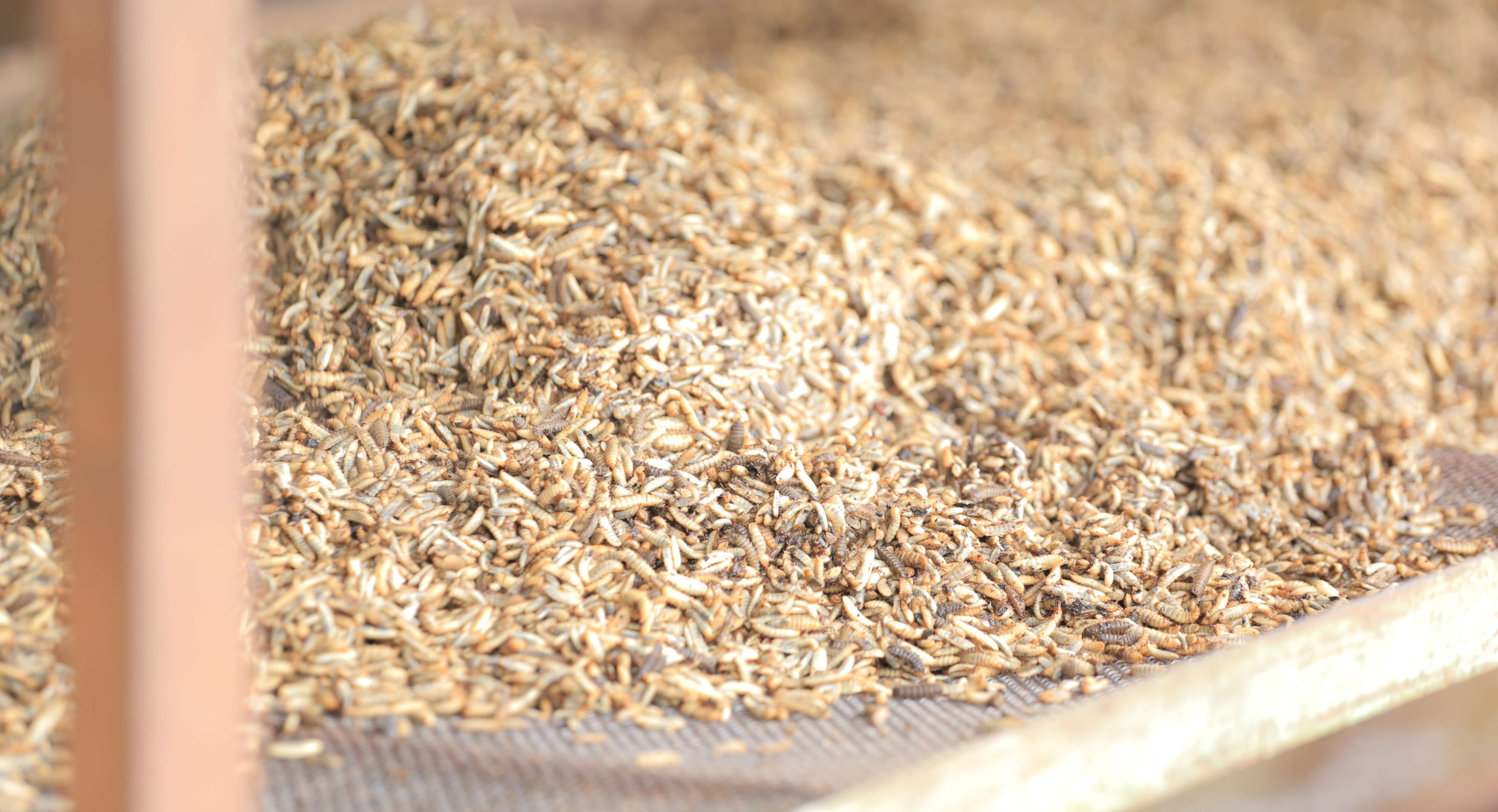
• Hatchery Management: Eggs are hatched manually using soft agricultural residues (like maize bran or brewery waste) layered over banana leaves. The natural organic heat generated by the substrate acts as an effective biological incubator, or through the “shower method” where egg-laden slats are placed face-down directly over moist feed to allow newly hatched larvae to drop straight into their feed without scraping.
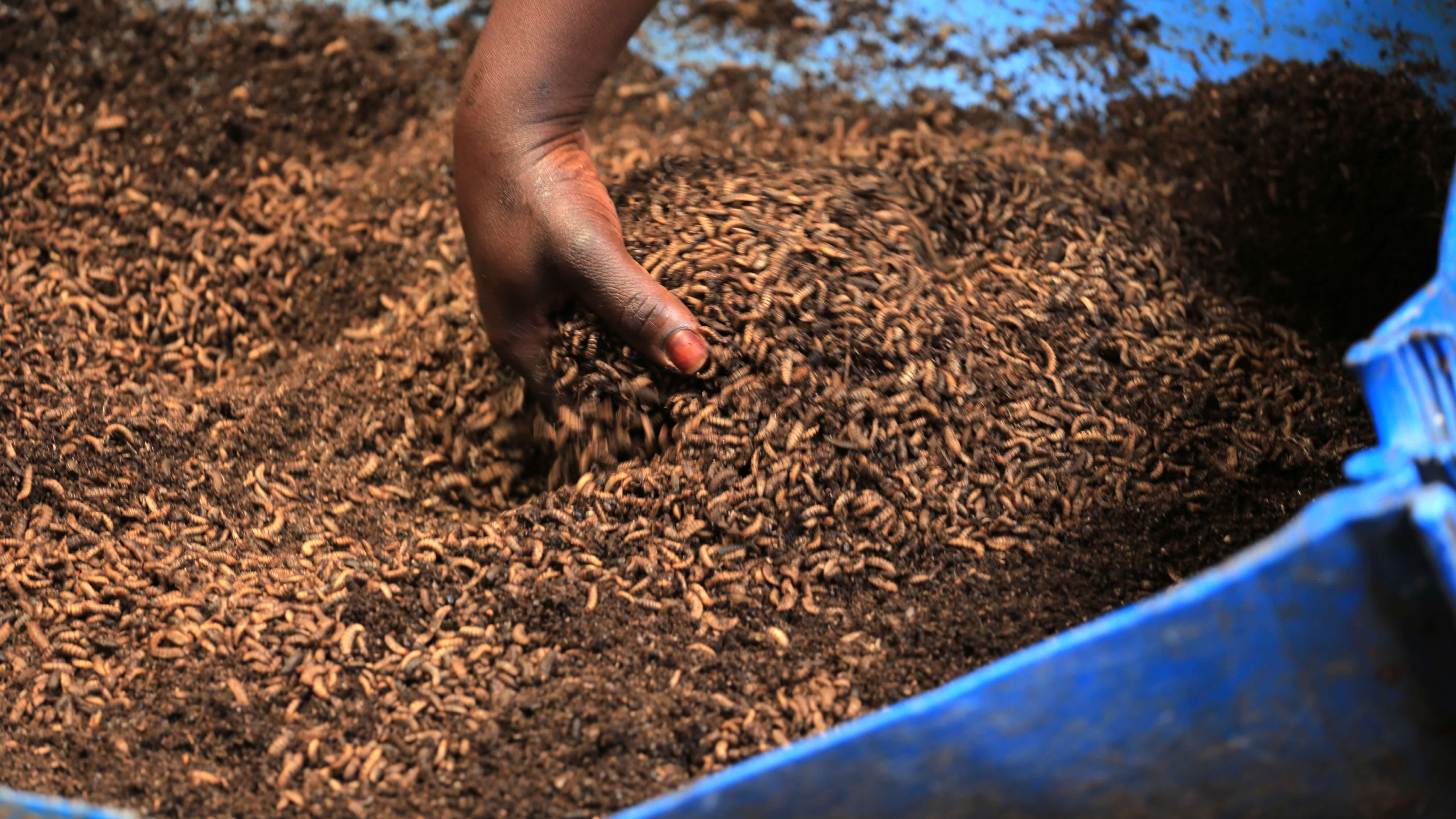
• Frass Supercharging: Post-harvest residual frass and larval skins are subjected to a microbial “supercharged” process where decomposition generates internal heat reaching up to 85°C, effectively eliminating harmful pathogens and yielding a premium organic fertilizer.
On-farm integration scaling to smallholder households in Mukono and Jinja
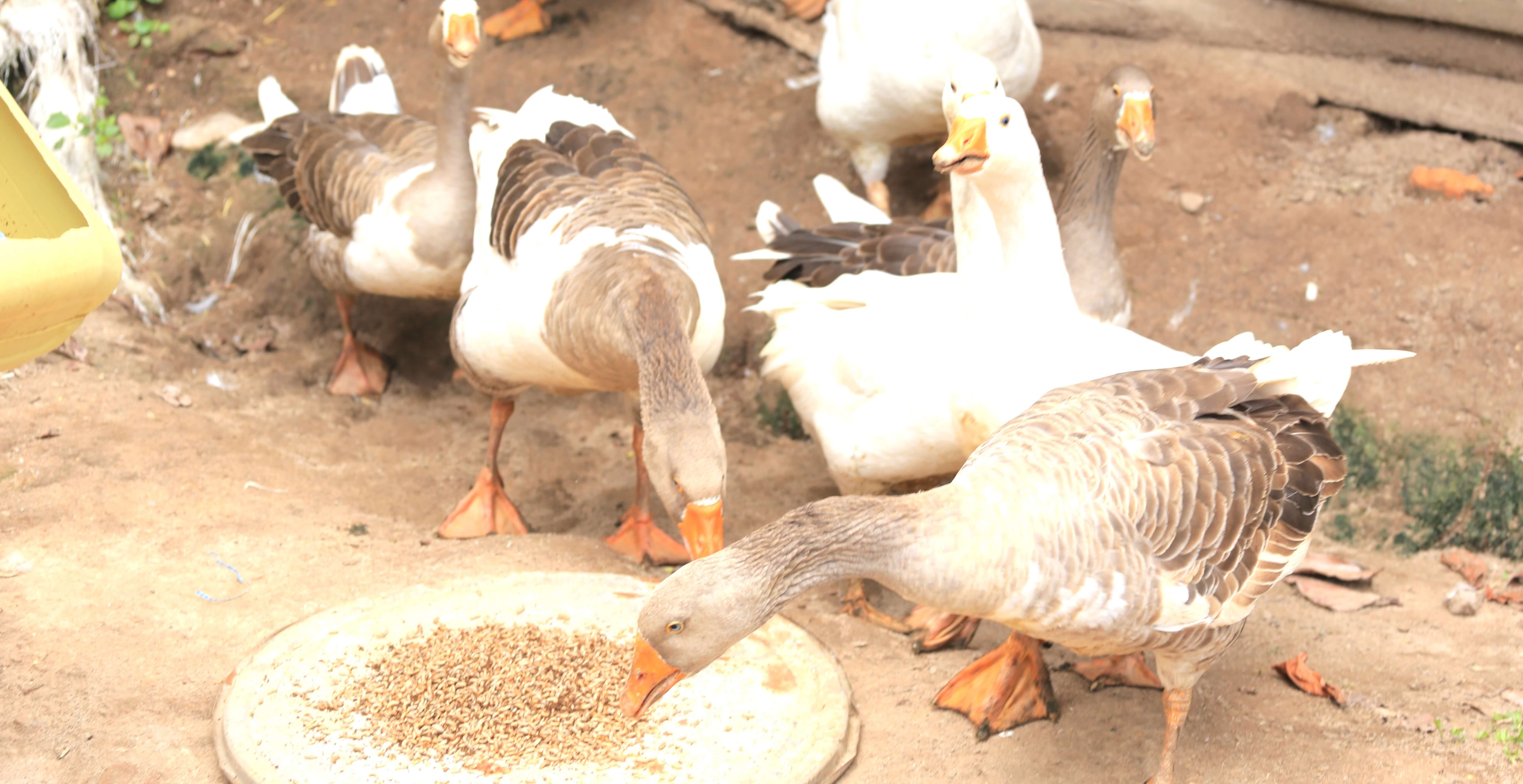
In Nyenje, Goma Sub-County, Mukono District, Justine Bagenda, Executive Director of Juvik Continental Agro Farm, operates an exemplary 3.5-acre integrated farm established in 2019. Featuring greenhouse vegetable production (sweet peppers and cucumbers), dairy cattle, poultry, rabbits, fish farming, and Azolla cultivation, every single enterprise is interlinked to eliminate waste and slash feeding overheads.
“The enterprises on this farm were properly selected in a way that we wanted integration, one enterprise feeding into another,” Justine Bagenda explains. “For example, if you look at fish farming, the feed of the fish is expensive… that’s how we came up with black soldier fly farming because now we feed the fish on the BSF larvae and that reduces our cost. Instead of feeding five kilos of commercial feed, we can feed four kilos… and put one kilogramme of BSF.”
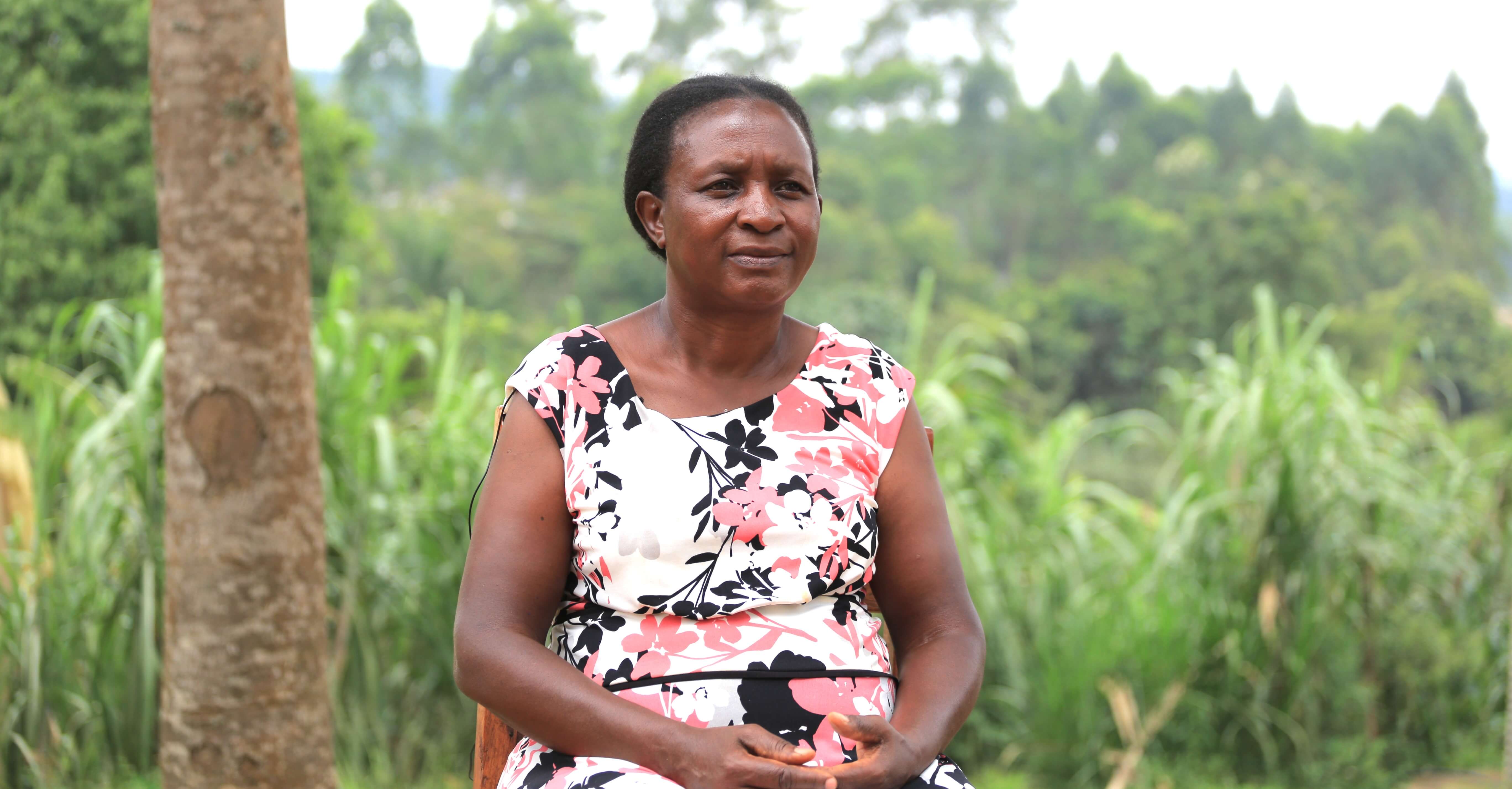
Juvik Farm utilizes rabbit urine and manure to fertilize its greenhouses and feed its BSF cultures, mixes cow dung with maize bran for larval substrate, and channels nutrient-rich fishpond wastewater directly into vegetable irrigation. Vicky Bagenda highlights the remarkable efficiency and cleanliness of the insect on the farm: “I think it is a good fly to rear. One, it is a clean insect… It multiplies very fast and we can collect a number of larvae, a number of eggs from it. And in my view, it is as if it is a trained fly—when you prepare for it to lay the eggs, it will lay the eggs where you have prepared.”
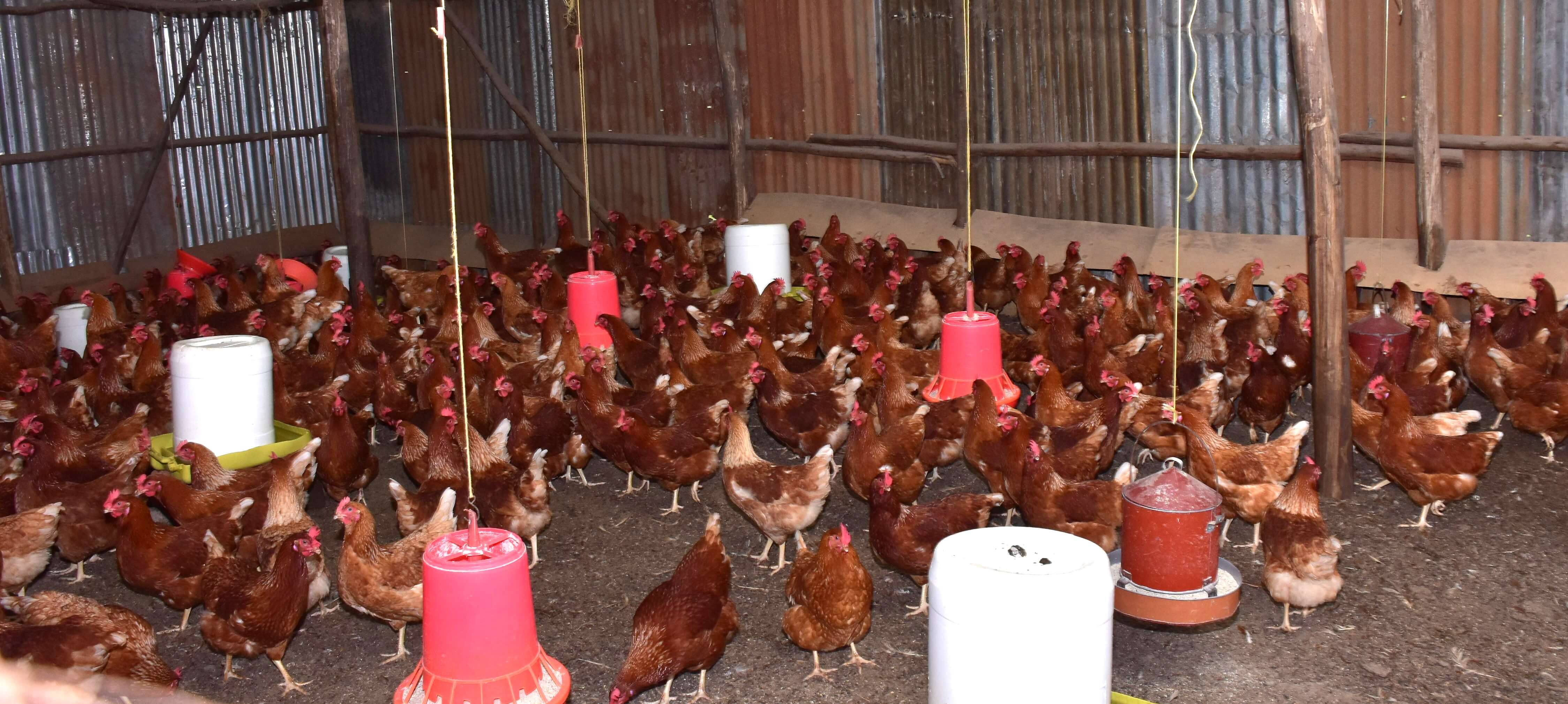
At Juvik, integrating BSF reduced poultry feeding costs by roughly 50% during peak broiler production weeks. Furthermore, the farm no longer needs to purchase external topsoil for its vegetable gardens, saving considerable funds previously spent on hauling soil truckloads.
 Grassroots mobilization and institutional catalysis
The rapid scaling of BSF technology in Uganda is anchored by robust partnerships between local governments, research institutions, and development agencies like ASARECA and NOGAMU.
In Jinja District, Diana Nankwanga, chairperson of the Blossom Integrated Development Organization in Namagera Town Council, recalls how community skepticism was overturned by practical training: “I organized one women’s group and I interested them to do this kind of farming… But later along the way, they lost interest. After getting to know how to touch the flies and whatever comes out from them, they were like it’s not a good idea for them.”
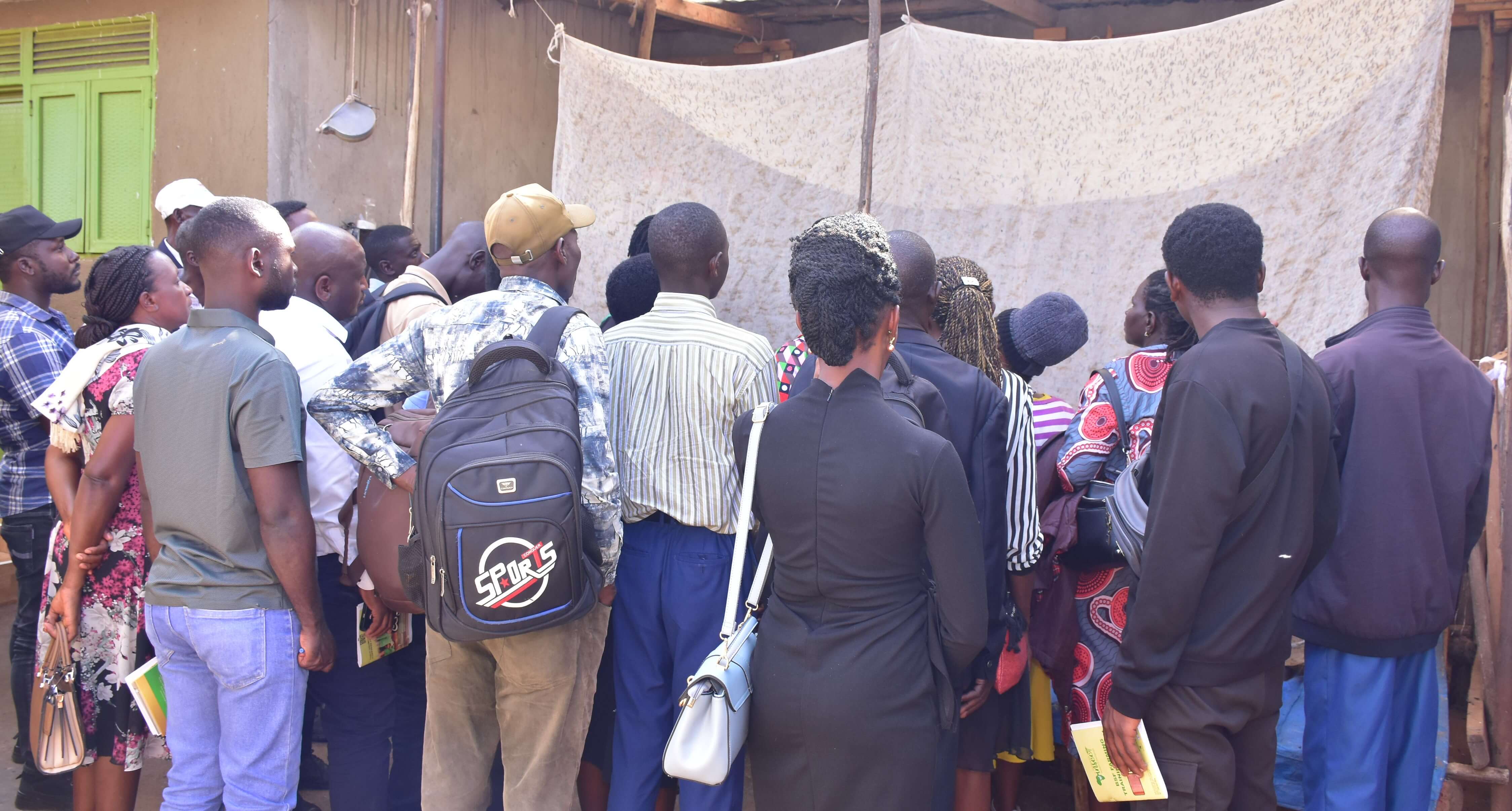
However, following targeted mobilization and training interventions organized in partnership with ASARECA and NOGAMU, Blossom Farmers Group received a fully equipped BSF facility complete with an insectarium, larval trays, starter food, and safety gear. The community reaction was immediate and overwhelmingly positive: ” The community has embraced the project and everyone is very eager to learn how they can utilise the larvae and the frass fertilizer,” says Nankwanga.
Local administrative structures are equally proactive. Lilian Nakibuule, Senior Entomologist with Jinja District Local Government, notes: “As a district, we have taken up BSF just two years back… We were excited by the support from ASARECA to establish a facility in Namagera Town Council. This facility is at a higher level compared to what the farmer-hosted demos are at… It will be a source of starter seed. Farmers will be able to get a source for baby larvae to start off.”
With district priority enterprises centered around poultry, fish, and coffee, Nakibuule emphasizes that BSF production perfectly complements local economic development goals.
Regional benchmarking and cross-border impact
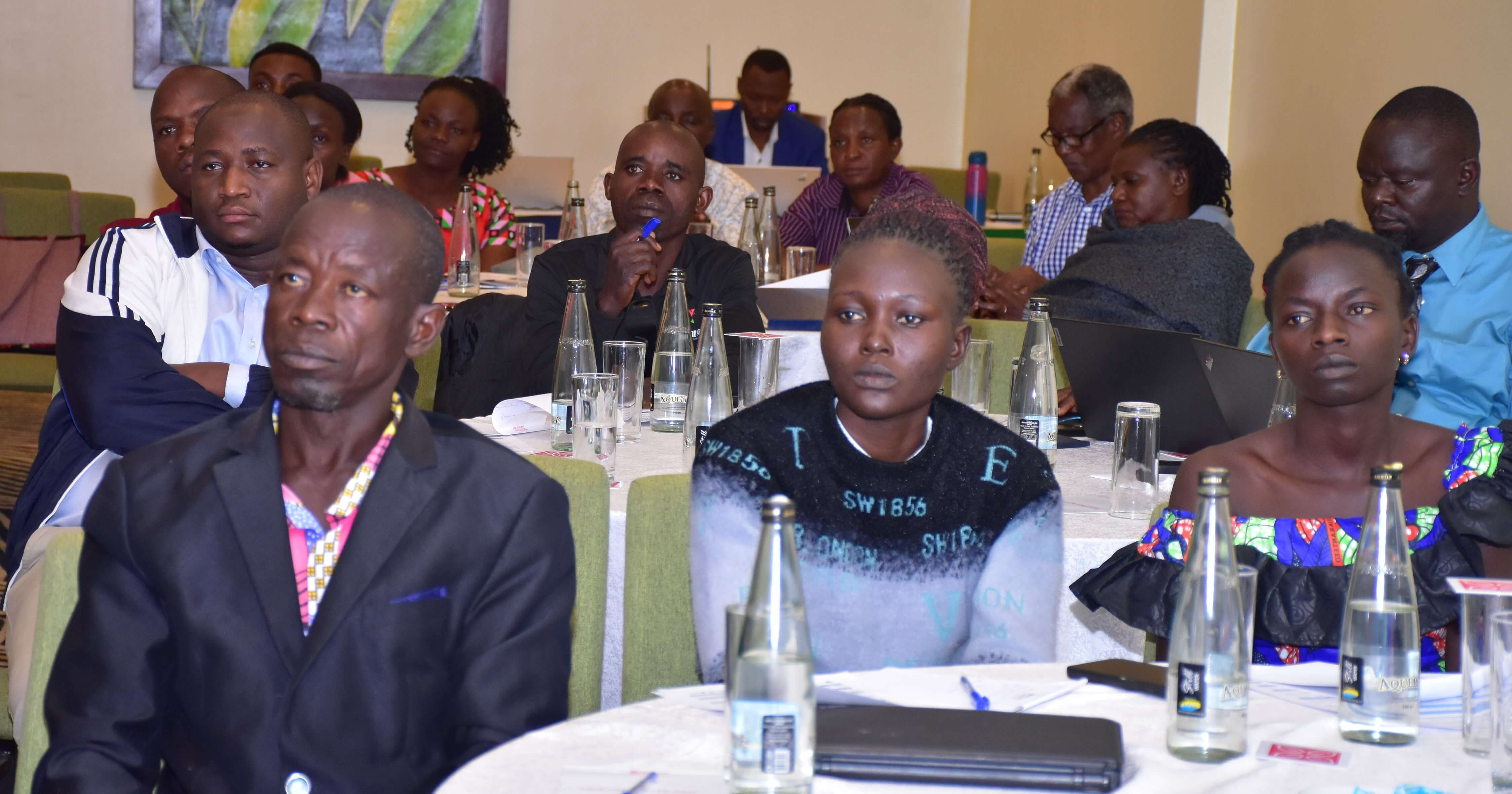
The success of Uganda’s BSF ecosystem has stretched far beyond its borders, attracting regional attention. Under initiatives supported by the European Union and IFAD through the CAADP-XP4 Programme and the Agriculture and Fisheries Development Programme (AFDP), high-level delegations such as a 7-member team of policymakers and fisheries officers from Tanzania have traveled to Uganda to benchmark commercial BSF production, waste-to-wealth conversion models, and community-level facility management.
Visiting model sites ranging from industrial enterprises like Darwesh, Ento Feeds, and Bioconvision to community demos in Wakiso, Jinja, and Mayuge, the Tanzanian delegation identified critical scaling pathways for their home country:
• Establishing aquaculture development centers as regional training hubs and seed banks.
• Creating community-based BSF business models tailored for youth and women.
• Institutionalizing waste-collection sorting procedures through local government and municipal collaboration.
A national game-changer
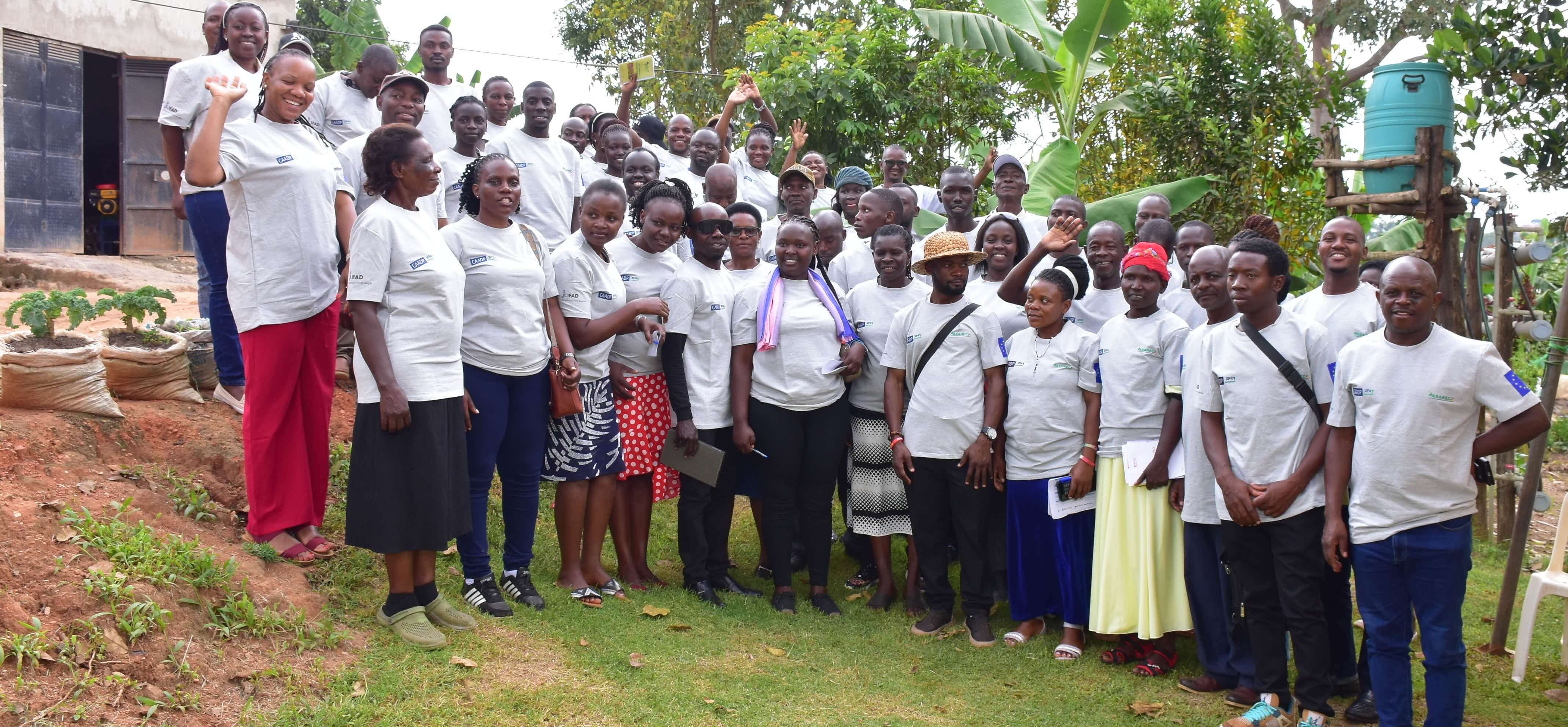
From a research and practitioner perspective, Dr. Deborah Amulen, Director of the Centre for Insect Research and Development (CIRD) in Kampala, underscores the macro-level impact of these interventions: “We are seeing it as one of the biggest game changers, a solution to very many problems within farm enterprises… With the arrival of Black Soldier Fly, when we demonstrated to them how to rear the protein, most of them are combining broken maize and maize bran with the Black Soldier Fly larvae alone, and they’re able to raise their chicken.”
Through coordinated capacity-building initiatives such as training over 5,000 farmers nationwide, distributing starter kits across aquaculture innovation platforms, and establishing multi-stakeholder platforms supported by ASARECA and NOGAMU, the BSF value chain is bridging critical protein and bio-fertilizer gaps.
As regional networks expand and neighboring countries adopt these blueprints to establish their own sustainable feed systems, the Black Soldier Fly stands tall as a beacon of sustainable innovation, turning urban refuse into golden harvests, creating green jobs for youth and women, and securing a resilient agricultural future for East Africa.