Bridging the Soil and Water Divide: Africa’s Agricultural Revolution Ignites at Nairobi WATDEV Conference
BY BEN MOSES ILAKUT
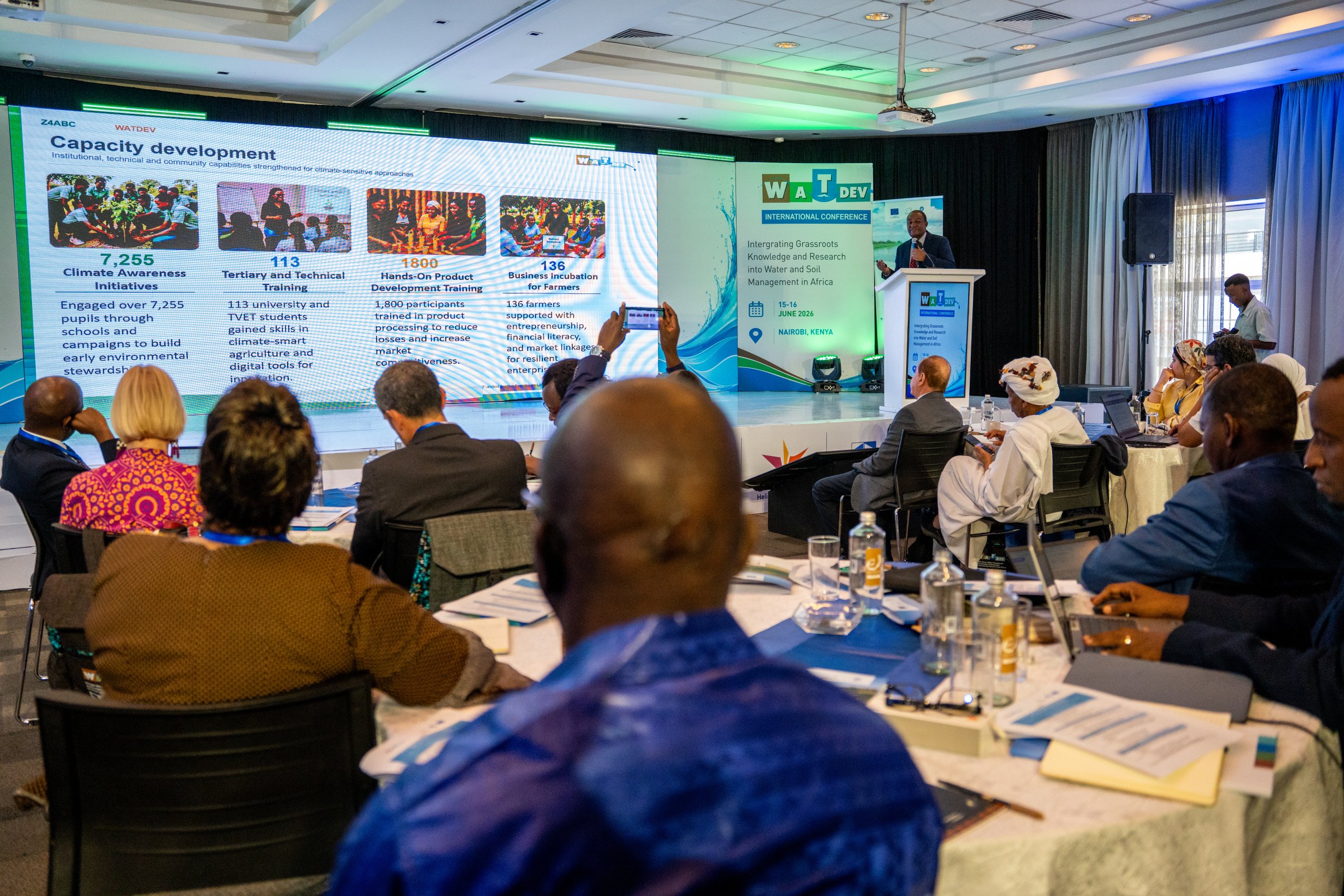
NAIROBI, KENYA — Facing a climate clock that is ticking faster than ever, over 70 agricultural experts, researchers, policymakers, and grassroots development partners gathered in Kenya’s capital, Nairobi on June 15–16, 2026 with a clear and urgent task—fundamentally reshape how Africa manages its critical soil, water, and energy resources to prevent an impending food security crisis.
The two-day hybrid international conference titled, “Integrating Grassroots Knowledge and Research into Water and Soil Management in Africa,” marked the culmination and final phase of the Climate Smart Water Management and Sustainable Development for Food and Agriculture in East Africa (WATDEV) initiative. Funded by the European Union’s DeSIRA programme, the four-year project has been practically testing and validating Best Management Practices (BMPs) across four highly climate-vulnerable countries: Kenya, Ethiopia, Sudan, and Egypt.
European, Italian and African partnership
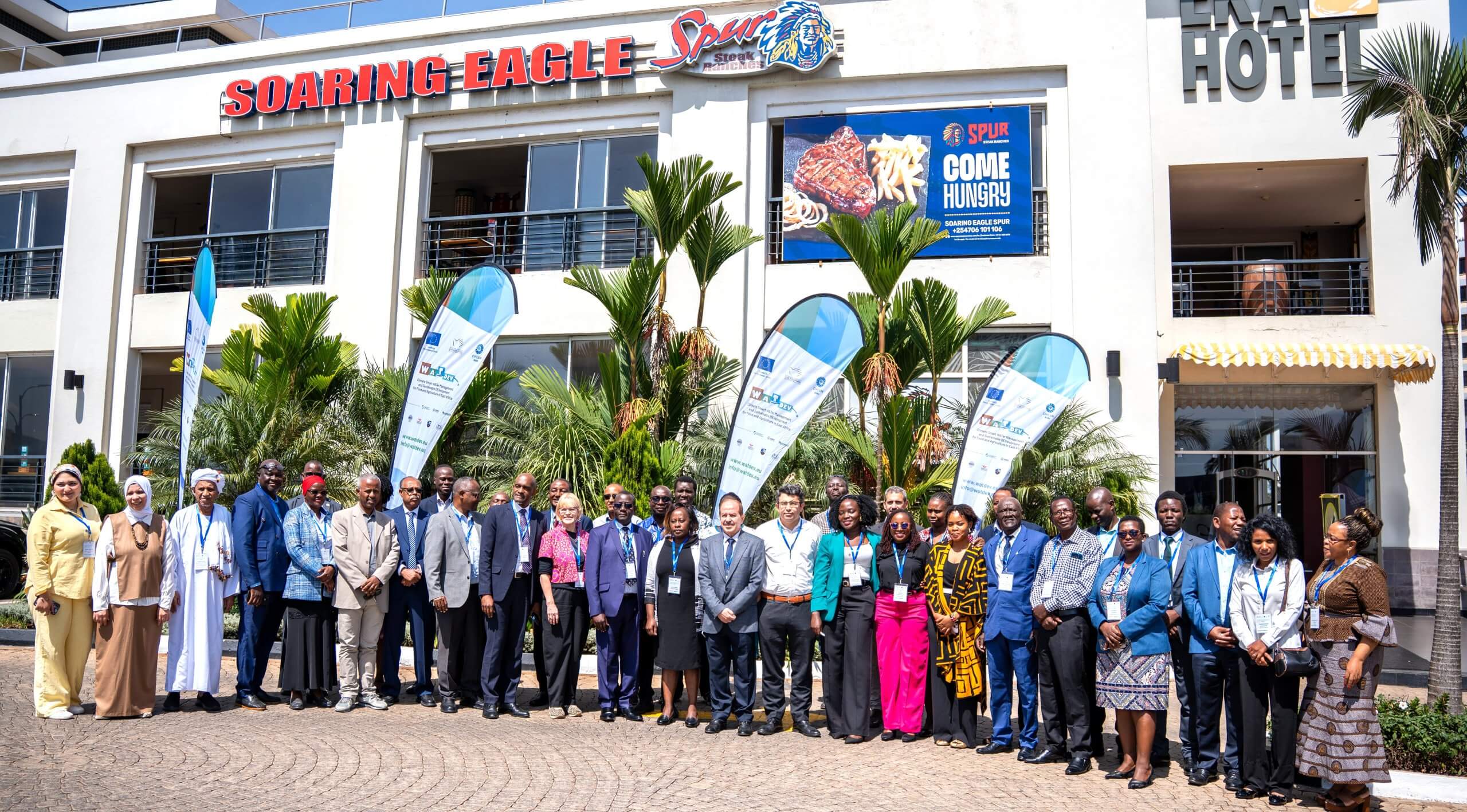
Opening the high-level proceedings, Christophe Larose from the European Union’s DG-INTPA highlighted the historic journey of the initiative. “Launched in 2021, this initiative has been key to building institutional capacities and has successfully taken shape through robust, shared knowledge management,” Larose stated. He acknowledged that while managing large consortiums with diverse actors can be operationally challenging, they are absolutely the right way forward to achieve true sustainability in water management. “WATDEV has successfully bridged the gap between ministries, universities, farmers, and research institutions to make collaborative water management possible. As this phase concludes, I hope this community continues to leverage its network to take these achievements forward, always striving to link rigorous science with grassroots needs,” he added.
Data and foresight at the core
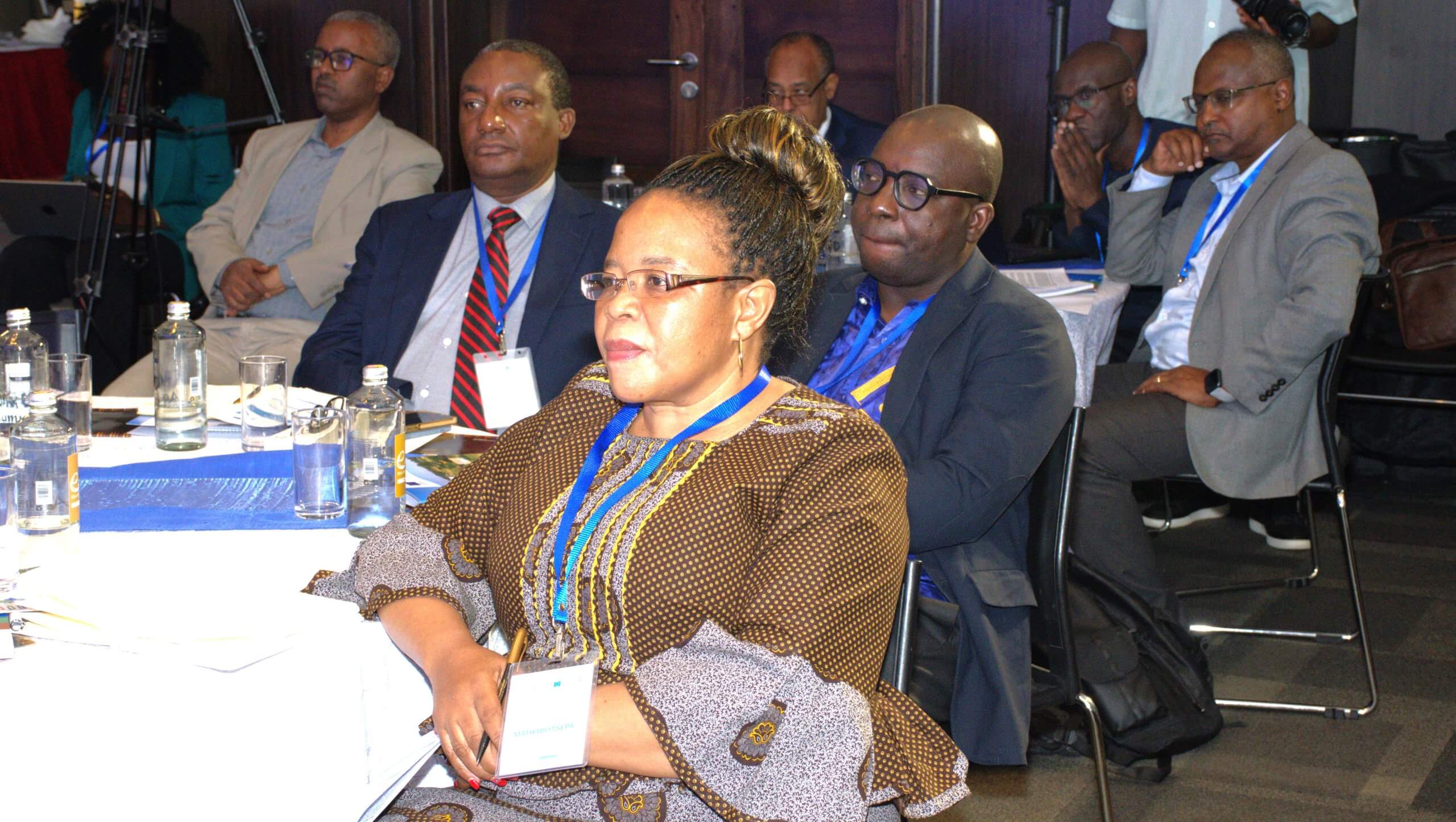
A central focus of this scientific linkage is data-driven foresight. Claudio Bogliotti from the leading scientific institution, CIHEAM Bari, emphasized that numbers and local realities must merge to inform policy. “Bridging research, modeling, and decision-making is essential. Modeling is the foundation stone for foresight and designing impact scenarios, which ultimately allows us to build policies based on factual, empirical data,” Bogliotti explained. He noted that this approach succeeds precisely because it values the end-user. “By integrating farmers, local communities, and end-users into modeling scenarios and foresight analysis, we ensure that local challenges are inbuilt, trust is secured, and genuine co-decision-making is achieved.” He observed.
Sustainability discussed
The immediate focus now shifts to sustainability and regional expansion. According to Dr. Gaetano Ladisa, also from CIHEAM Bari, it is imperative for actors to look at the long-term horizon as the project enters its close-out phase. “The central question now is: what does it take to scale out the WATDEV Best Management Practices and modeling tools across East and North Africa? We must identify who will help us scale these interventions and who will train the trainers to put this toolbox into active use,” Dr. Ladisa underscored.
The stakes for scaling these solutions could not be higher. Agriculture already accounts for roughly 70% of global freshwater withdrawals and 30% of global energy consumption through production and supply chains. With global food demand projected to skyrocket by 60% by 2050, the conference underscored a hard truth that Africa can no longer rely on fragmented, top-down scientific approaches to survive changing weather patterns, prolonged droughts, and widespread land degradation.
During deliberations aimed at putting together actions to sustain the achievements scored under the project, key policy highlights emerged as critical perspectives for moving forward.
Key policy highlights emerging from the WATDEV Conference
• Historically fragmented, specialized institutional silos fail to address dynamic environmental pressures, requiring policies to transition toward an integrated landscape nexus that treats climate, water, soil, and forestry as a single interconnected ecosystem. To support this, governments must establish high-level governance frameworks and multi-stakeholder consortia to legally unite ministries, research bodies, civil society, and local cooperatives for synchronized technical and market priorities.
• A major breakdown occurs when rigid agronomic mandates ignore the adoption paradox, where smallholders’ immediate economic survival overrides long-term environmental targets in volatile climates. Policymakers must therefore institutionalize Participatory Action Research and Agroecological Intensification. This shift involves using Farmer Field Schools to blend local indigenous knowledge with scientific field trials such as micro-water harvesting and circular nutrient management to shield farmers from climate shocks.
• Isolated ecological planning often fails because it ignores household power dynamics and rural financial constraints, making it vital to bundle environmental targets with social engineering and community financing. Water-agriculture frameworks should actively mandate targeted social tools like the Gender Household Approach and enforce explicit gender-mainstreaming quotas. Furthermore, technical water innovations must be bundled with Village Savings and Loan Associations (VSLAs) and financial matching grants to attract private-sector co-investment and secure livelihood stability.
• Severe data gaps, technical modeling deficiencies, and weak political buy-in consistently stall the transition of localized technological tools into scalable, regional standards. To correct this, African governments should issue formal ministerial directives for integrating modeled toolboxes into national planning via dedicated domestic budgets, while delegating long-term maintenance to regional Centers of Excellence. Simultaneously, member states must deploy unified digital platforms to close data gaps and generate the bankable project pipelines required to secure global climate funds.
• Short, rigid project lifecycles of three to four years inherently restrict full agroecological transformations, leaving smallholders vulnerable to highly volatile external shocks. Policymakers should design long-term, multi-phase program funding over restrictive project timelines. This approach requires the institutional adoption of systemic safety nets, index-based climate risk tools, and localized crop diversification to permanently insulate smallholders from unpredictable climate and market changes.
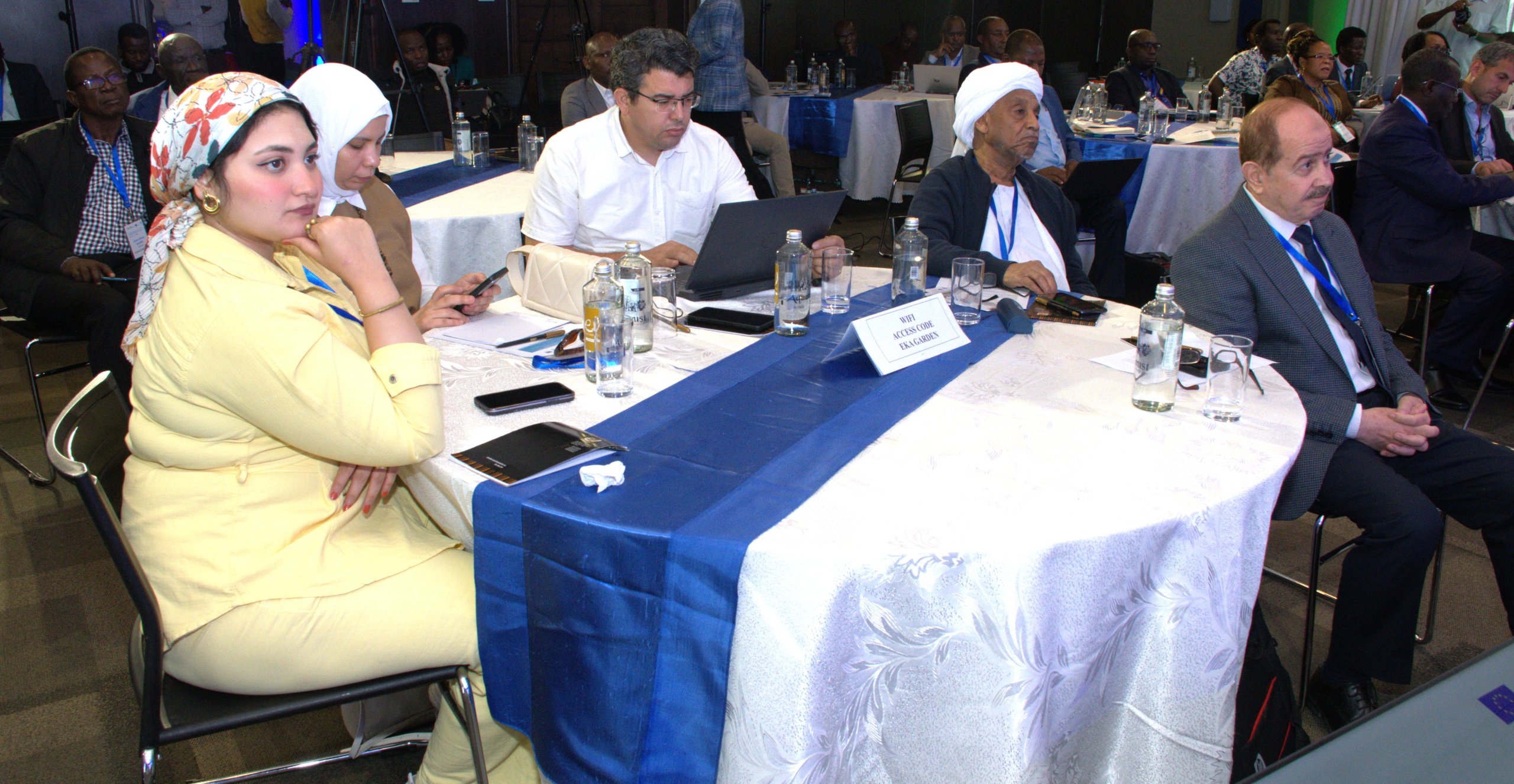
The Power of the Grassroots-Science Alliance
A resounding theme echoed at the conference was that scientific innovation is dead on arrival unless it marries the generational wisdom of local farming communities.
“Across Africa, communities have developed valuable knowledge over many generations on how to manage water and land resources. Our responsibility as researchers is to build on that knowledge, strengthen it with science, and ensure that solutions developed are practical and useful to farmers,” said Dr. Tena Alamirew, Deputy Director of the Water and Land Resource Centre (WLRC) and WATDEV Project Focal Person for Ethiopia.
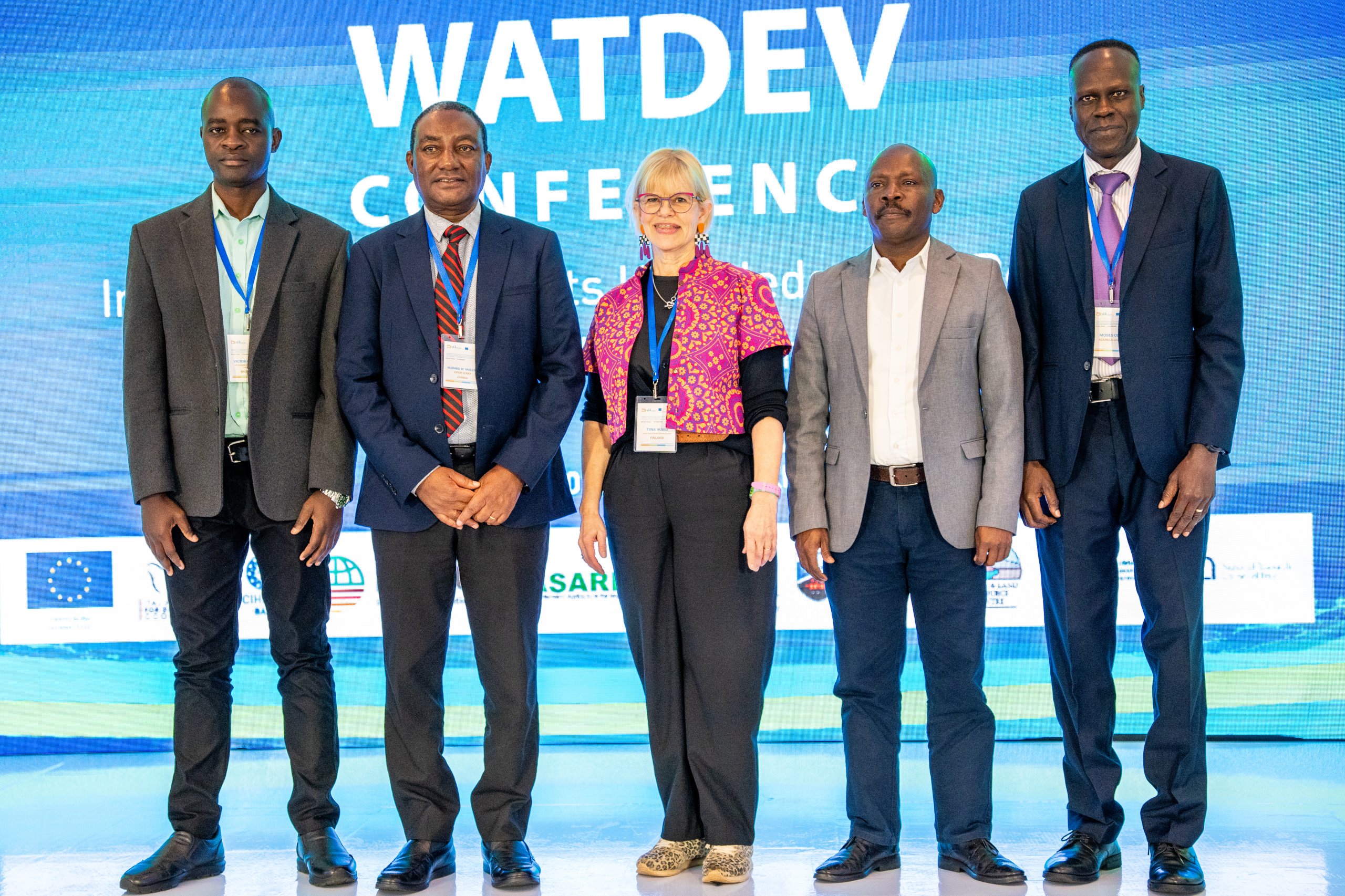
This sentiment was reinforced by Dr. Tsigemariam Kasahun, a soil and water management specialist at WLRC Ethiopia, who urged the scientific community to shift its perspective. “Healthy soils are the backbone of agriculture. When soils are degraded, crop yields decline… Farmers are not simply beneficiaries of research. They are innovators in their own right,” she stated.
ASARECA calls for utilization of toolbox
Dr. Sylvester Dickson Baguma, Executive Director, ASARECA, pointed out that Africa possesses the vast ecosystems and natural resources required to bolster global food systems, but only if resource management undergoes a systemic shift.
“We cannot transform African agriculture without fundamentally transforming how we manage our critical water, soil, and energy resources,” Dr. Baguma emphasized. Looking ahead, he noted that the time for academic debate had passed. “We must thoroughly interrogate what has worked, identify what has failed, and strategically forge a clear way forward. It is now time to operationalize the WATDEV toolbox and translate the empirical outputs of this programme into tangible development outcomes on the ground.”
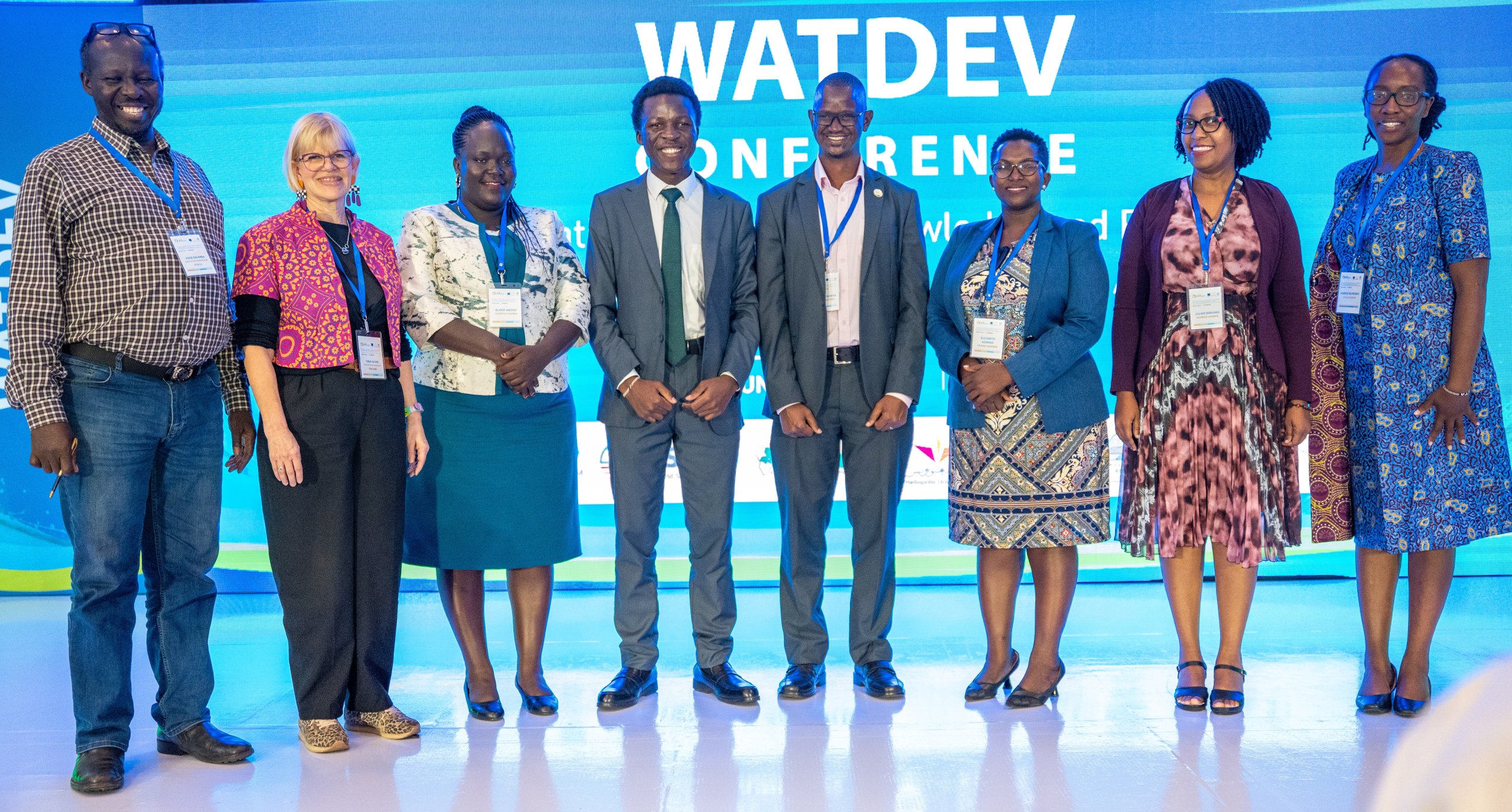
Lilian Lihasi, the Executive Director of the African Forum for Agricultural Advisory Services (AFAAS), expanded on this by emphasizing the critical role of agricultural extension in executing policy. “There is a persistent disconnect between research and practice, and between high-level policy and grassroots reality. Strong extension and advisory services are the bridge that will close this gap,” Lihasi argued. ‘We must invest in institutions that actively engage research from the very beginning in the design and implementation of Best Management Practices. True co-creation and collaborative innovation with all relevant stakeholders is what ultimately delivers theoretical tools into practical, everyday use.”
A Tailored Toolbox of Solutions
Rather than pushing a one-size-fits-all directive, WATDEV used the Nairobi platform to showcase a newly designed toolbox of technologies. This framework allows farmers in arid and semi-arid lands (ASALs) to select context-specific, climate-smart interventions ranging from planting basins and small-scale irrigation to intercropping systems.
Making a business case for the toolbox
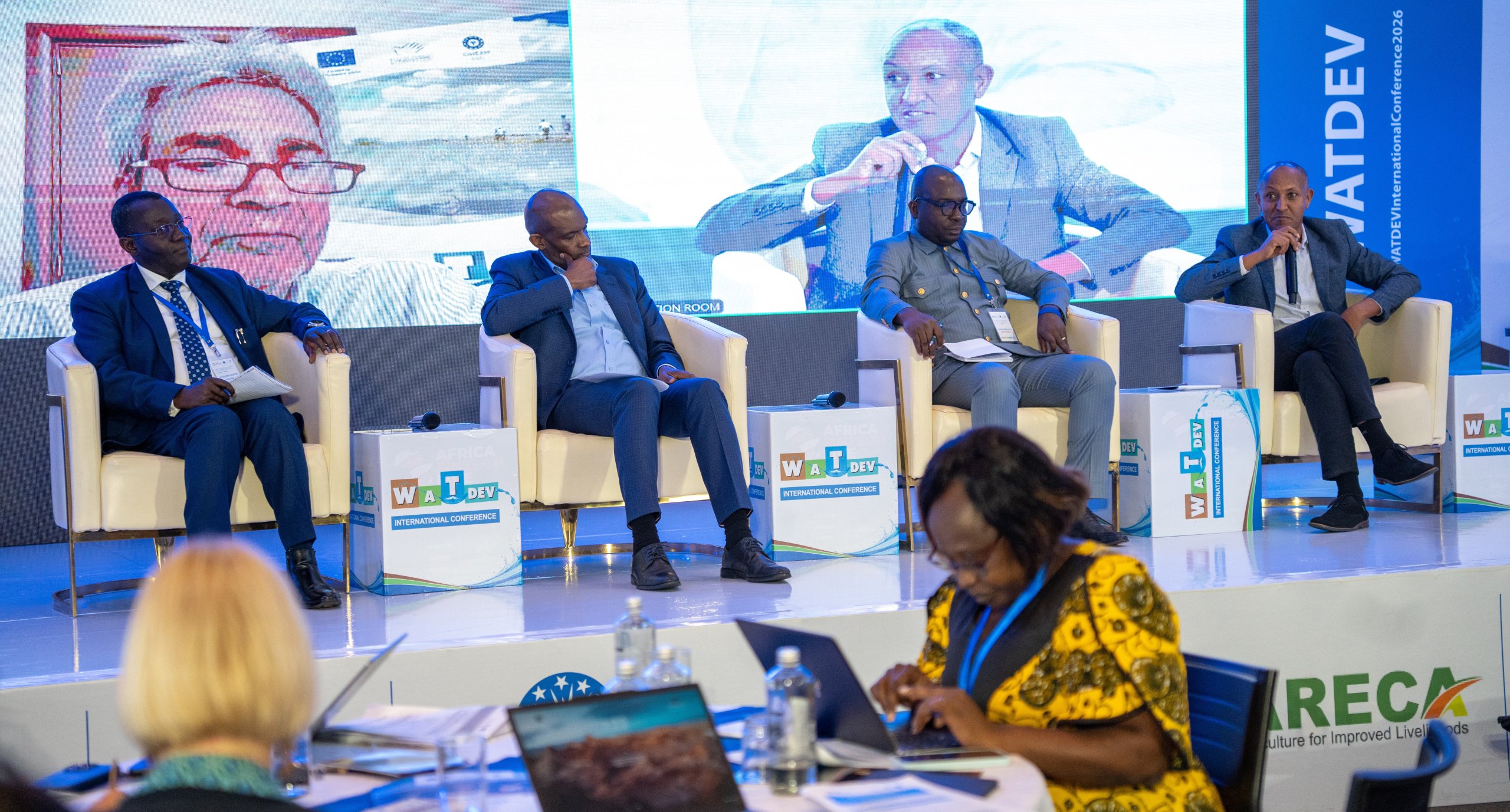
However, moving these tools from experimental plots to the broader marketplace remains a distinct challenge. Prof. Jean Jacques Mbonigaba Muhinda, Regional Head at AGRA, warned that scientific excellence alone is not enough to guarantee adoption. “Moving beyond a mere proof of concept remains a major challenge. One of the greatest barriers we face is transitioning scientific research into a viable business case, as we often fail to demonstrate the clear return on investment,” Prof. Muhinda observed. “The only way we can drive lasting agricultural innovation to the last mile is by developing a solid business case for its delivery. Furthermore, we frequently fail to secure a strategic anchor for the tools we develop. We must identify specific strategic entry points such as the CAADP-XP4 Programme to drive these innovations forward, backed by institutional innovation that prioritizes alignment.”
What WATDEV Achieved in Ethiopia
In Ethiopia’s Goga Irrigation Scheme, the field interventions under WATDEV heavily focused on the promotion of organic fertilizers, such as manure, composting, and vermicomposting. This farmer-led approach helped restore vital soil nutrients like nitrogen, phosphorus, and potassium while improving moisture retention in the root zone. Additionally, researchers promoted innovative agroforestry systems that integrated shade-loving spice crops within avocado farms, providing smallholders with an early source of income while their trees mature.
The documented impacts of these interventions in Ethiopia have been remarkable. Principal Investigator Dr. Tena Alamirew reported that the widespread adoption of organic fertilizers has reduced reliance on costly chemical inputs by up to 50%. Furthermore, through the application of advanced eco-agro-hydrological modeling tools and improved water management practices, the region’s irrigation efficiency, which historically sat at a dismal 30% to 35%, has the potential to double, rising to between 60% and 70%.
Strengthening Water Management in Kenya
Meanwhile, across the border in Kenya’s Tana River Basin, the project prioritized entirely different context-specific solutions within the critical Hola and Bura irrigation schemes. Here, the interventions centered on strengthening local water governance and introducing targeted agroforestry and fodder production systems. Instead of creating new institutions, the project focused on building the capacity of existing Water Users Associations through technical support and training.
These interventions yielded highly successful environmental and socio-economic impacts for Kenyan communities. Empowering the Water Users Associations led to immediate improvements in water governance, allocation, and conservation, effectively addressing persistent water scarcity and rising salinity challenges. At the same time, the establishment of dedicated fodder zones around the irrigation schemes mitigated severe wind and soil erosion, improved livestock feed availability during dry seasons, boosted household incomes, and directly reduced historical resource conflicts between sedentary crop farmers and migrating pastoralists.
The Tana River story in diminishing local tensions
The true power of integrating grassroots feedback was perfectly captured in Kenya’s Tana River County, an arid zone heavily impacted by climate variability. Under the project, stakeholders initially planned to plant expansive rows of trees as windbreakers within the Hola and Bura irrigation schemes to stop wind erosion. However, local farmers raised a red flag, noting that the trees would attract massive flocks of birds, which would inevitably destroy their rice crops.
“The selection of the Best Management Practices followed consultations with local stakeholders and farmers,” explained Laura Dema, the Tana River County energy officer. “Instead, project stakeholders adopted a more targeted approach involving agroforestry in homesteads, planting fruit trees like mangoes, papayas, and coconuts, and establishing dedicated fodder-producing areas around irrigation schemes.”
The addition of fodder crops turned a climate challenge into a multi-layered economic opportunity. It provided vital livestock feed during crippling dry seasons, created an alternative income stream, and reduced historical land and resource conflicts between sedentary crop farmers and migrating pastoralists.
Dema also noted that by training and empowering existing local Water Users Associations rather than creating new bureaucratic bodies, water allocation and governance drastically improved. “When you use water effectively, the cost of energy that you put into pumping water is going to pay back what you produce,” she added, highlighting the tight nexus between water conservation and energy efficiency.
Transcending borders
As climate change accelerates, it ignores geopolitical boundaries. Researcher Victor Ongoma from Morocco’s Mohammed VI Polytechnic University warned that intensifying temperatures will continue to trigger a destructive cycle of severe droughts and flash floods across Africa, throwing off historic planting cycles.
To counter this threat, a representative of the Government of Egypt at the conference called for unified regional continuity. “We call for continued cooperation and joint African actions to translate project outputs into tangible benefits that directly serve the aspirations of our people,” he declared.
Supporting this vision, Tiberio Chiari of the Italian Development Cooperation (AICS Cairo) spoke via online link about the power of structured alliances. “Our focus must be on how research and innovation can drive integrated, long-term climate responses through strong partnerships and institutional cooperation,” Chiari noted. “By fostering continuous dialogue and creating robust cooperation, we bring together diverse stakeholders to ensure our sustainability efforts are both unified and lasting.”
Firm foundation laid
To anchor these cross-border efforts, the WATDEV project has laid down a framework for robust regional collaboration, facilitating cross-border knowledge exchange among Kenya, Ethiopia, Sudan, and Egypt. Backed by executing bodies like AICS and CIHEAM Bari, the initiative is working to ensure its open-source toolbox remains operational beyond the June 2026 close-out date.
Dr. Hellen Sang, a Kenyan soil and water engineering expert, reminded delegates that long-term sustainability ultimately hinges on economic accessibility. “Technology and innovation are important, but they must be affordable, adaptable, and relevant to local conditions if they are to make a meaningful difference at the farm level,” she noted.
With ASARECA and its partners actively exploring a potential second phase of the project, the consensus at the Nairobi summit was clear. Africa has the internal resources, the scientific capacity, and the ancestral intelligence to feed its people. By treating smallholder farmers as co-innovators rather than passive charity recipients, the continent is finally taking control of its agricultural future.