Community Based Breeding Programme Revolution: A New Lifeline for Uganda’s Climate-Smart Livestock
BY BEN MOSES ILAKUT
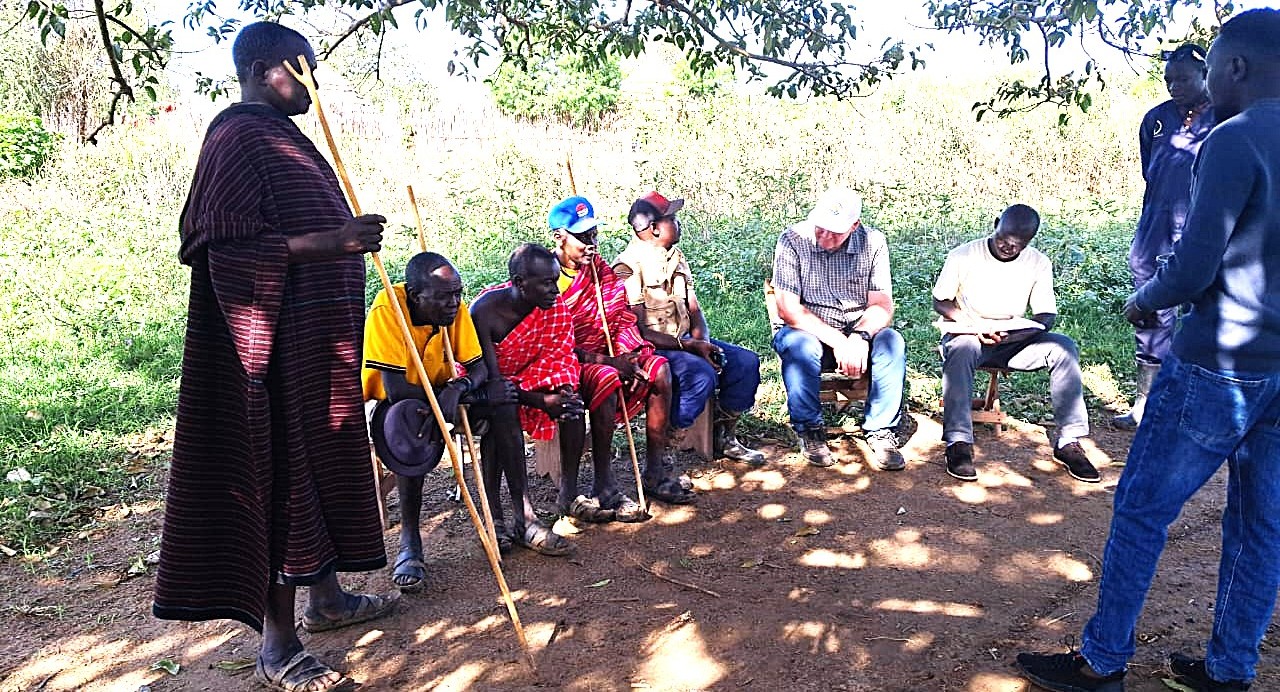
In the heart of Uganda’s cattle corridors, a transformative initiative is taking root to secure the future of indigenous livestock through the synergy of scientific precision and indigenous wisdom. Between March 3 and 12, 2026, a specialized team of experts led by globally renowned animal geneticist and livestock breeder, Prof. Hans Sölkner and Uganda National Animal Genetic Resources Centre and Databank (NAGRC&DB) (https://nagrc.go.ug/) researcher, Mr. Yunusu Hamira, embarked on benchmarking missions across Kibaale, Buliisa, and the Karamoja region.
The benchmarking initiatives sought to scale small ruminants breeding innovations spearheaded by ASARECA, the International Center for Agricultural Research in the Dry Areas (ICARDA) and the International Livestock Research Institute (ILRI) under the Accelerating Impacts of CGIAR Climate Research for Africa (AICCRA) Project (https://aiccra.cgiar.org/). The process leverages on Information and Communication Technologies (ICTs) to promote Climate-Smart Agriculture (CSA) practices via Community-Based Breeding Programs (CBBPs) that depart from traditional, top-down nucleus breeding schemes. Rather than importing exotic breeds that often struggle with local heat, diseases, or feed scarcity, CBBPs focus on the genetic improvement of indigenous breeds within their natural environment.
Preparing ground for better things
The Uganda benchmarking exercise was meant to inform design and implementation of a new mooted USD 120,000 Community Based Breeding Programme (CBBP) due to be implemented by the Food and Agriculture Organization of the United Nations (FAO) in collaboration with national partners—the Ministry of Agriculture, Animal Industry and Fisheries through its competent Authority, the NAGRC&DB, and a grassroots Community Based Organization, Agri-Linkage Foundation (ALF).
The new initiative titled: “Pastoralism and Livestock Adaptation to Climate Change in Eastern Africa (PLACE), is expected to provide technical assistance for development of a Community-Based Breeding Programme in the Karamoja region to improve productivity of goat breeds adapted and resilient to local conditions. Expected to start soon and last a period of two years, PLACE will see goat farmers enrolled, breeding animals identified, good genetics from indigenous animals selected, shared and multiplied, and capacity of enumerators and pastoralists developed.
The Kibaale and Buliisa Mission
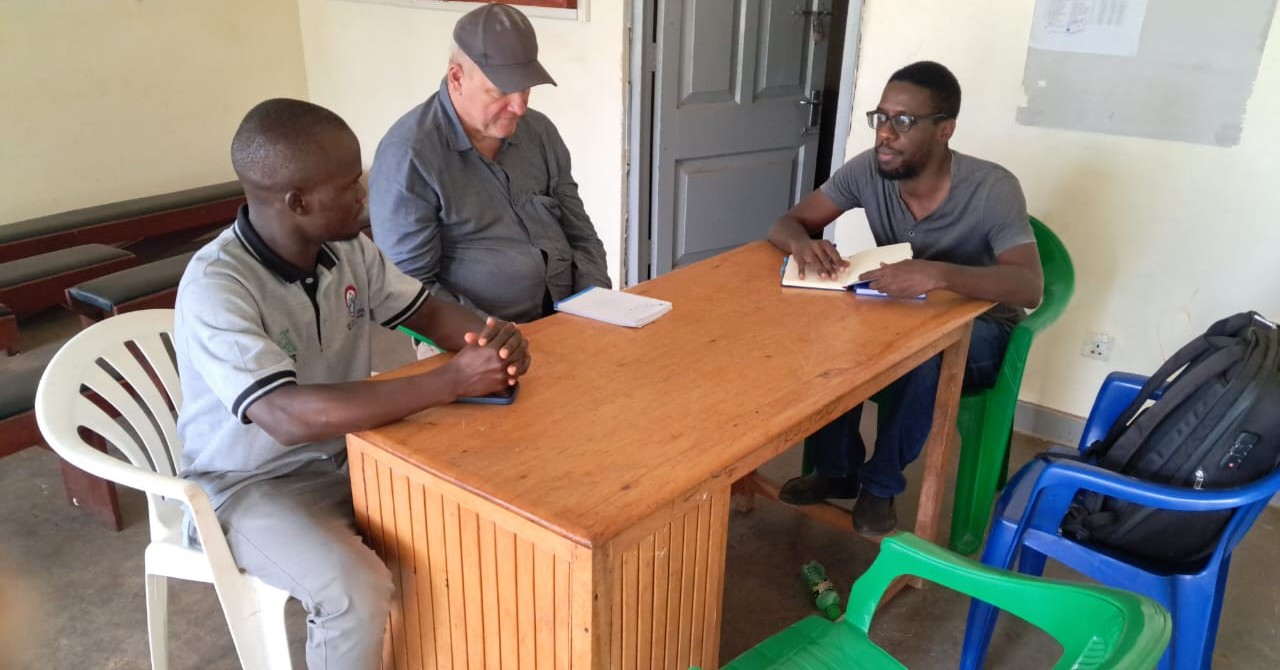
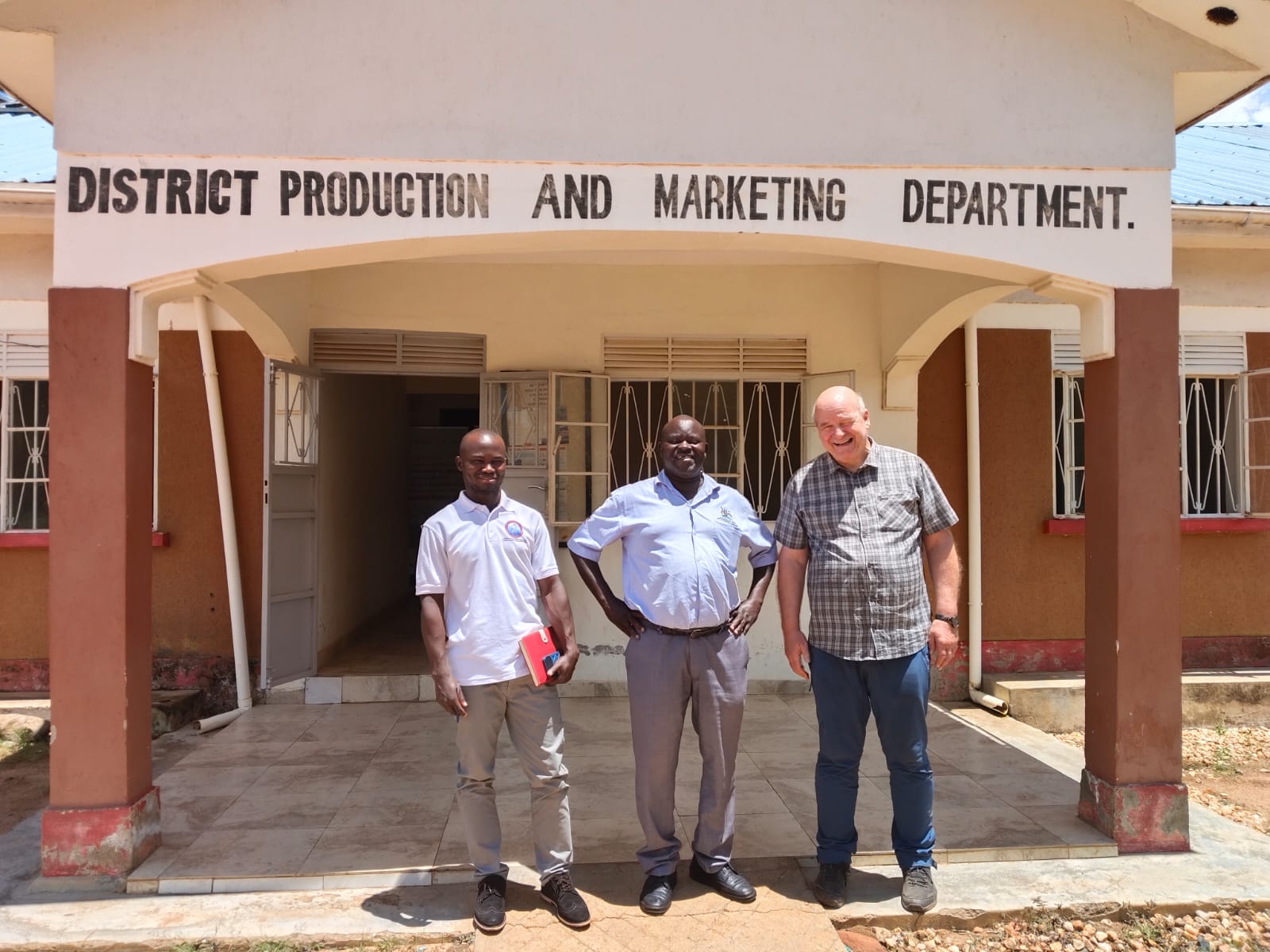
The first leg of the benchmarking journey took place on March 3 and 4, 2026, in the Western Uganda districts of Kibaale and Buliisa. Under the national leadership of Dr. Helen Nakimbugwe, the team engaged with local government officials and community members in Buseesa and Kirama villages to assess the viability of structured breeding.
Critical insights from Buliisa and Kibaale
The mission documented the following insights:
- While farmers possess highly sophisticated informal selection methods, economic pressures often lead to genetic mining.
- In Buliisa, farmers prioritize traits like twinning rates and specific coat colors for goat selection. However, they often sell their best-performing young males for quick cash during festivals, consequently, unintentionally removing the strongest genetics from the local pool.
- There was strong approval in both Buseesa and Kirama communities for support to organizing farmers into formal breeding associations through which they can receive technical training.
- Local leaders recognized that the CBBP model is far more sustainable than the introduction of exotic breeds, which frequently fail to adapt to local environmental stressors.
It is quite clear that the scaling initiative under AICCRA left an impact in the communities. “The farmers were fully aware of the main objective of the existing CBBP were very positive towards it,” Prof. Hans observed. “This was a result of the comprehensive training provided at the start of the AICCRA project as well as the establishment of farmer groups.”
Strategic actions for Kibaale and Buliisa
To ensure the project’s success, the team and beneficiaries agreed on several key interventions that include identifying top-performing males to prevent them from being sold or slaughtered; enhancing training for local enumerators on ICT tools to ensure breeding choices are backed by data rather than visual estimation alone; discouraging the sale of elite bucks by compensating farmers who maintain high-quality sires; establishing regular monitoring by NAGRC&DB; and engaging NARO staff to ensure data integrity and provide veterinary care.
Mission to Karamoja
From March 10 to 12, 2026, the mission shifted to Karamoja region in northeastern Uganda that has a population of 1.5 million pastoralists; specifically in the rugged landscapes of Nabilatuk District that has a population of 137,000 pastoralists and Nakapiripirit District that has a population of 111,000. This leg focused specifically on laying the groundwork for the mooted Goat CBBP that aligns to the Karamoja region challenging agroecological context, characterized primarily by its semi-arid climate as well as the pastoral lifestyle.
In a bid to sharpen understanding of indigenous knowledge, the team interacted with pastoralists in Lolachat and Loragae sub-counties, which yielded fascinating discoveries regarding local breeding preferences. Some featuring observations included:
- Pastoralists in Loragae showed a distinct preference for goats with high twinning rates and bucks with divided testicles, believing the latter produce females with larger udders.
- Pastoralists expressed a negative attitude toward large, bright-colored ear tags because they make animals visible targets for thieves.
- Similar to Buliisa, the fastest-growing males are often sold for immediate profit, compromising the long-term quality of the herd.
Impact of AICCRA project
The AICCRA project has revolutionized small ruminant production by scaling Ethiopia’s successful Community-Based Breeding Programs (CBBPs) into Uganda’s climate-vulnerable regions. By shifting from top-down breeding to community-led genetic improvement, AICCRA empowers farmers to enhance indigenous sheep and goat breeds for superior drought resilience and productivity. This scaling is bolstered by digital data tools and cooperative-led management, ensuring that genetic gains remain in the hands of smallholders. Ultimately, AICCRA’s intervention transforms livestock into a robust climate-adaptation tool, boosting household incomes and food security for pastoralist communities in Karamoja and beyond through sustainable, locally-owned innovation.
According to Prof. Hans Sölkner, the collaboration among partners ASARECA, NARO, and NAGRC&DB and PLACE has been key in facilitating learning. “Partners have been able to access data from CBBP sites and DTREO platforms,” he observed.
Key recommendations for Karamoja region
Based on discussions, the team agreed on key recommendations for action including: Transitioning to smaller, dull-colored ear tags or subcutaneous RFID micro-chips to protect herds from theft; replacing heavy, cumbersome weighing equipment with portable tripod stands for weighing to better support local enumerators; providing thorough training on DTREO software to maintain high-quality records for all offspring born within the programme.
A path forward for Uganda’s pastoralists
The benchmarking missions across the diverse districts provided a clear roadmap for the future of indigenous livestock, which PLACE seeks to advance. By blending indigenous science with modern tools like the DTREO software and ICT-based data recording, the CBBP model offers a sustainable path to food security.