FAO, CGIAR, and AU Capitalize on Accurate Data for Reshaping African Agrifood Systems via CAADP Framework
BY BEN MOSES ILAKUT
NAIROBI, Kenya—Imagine a continent that stops spending USD 100 billion annually on food imports and instead feeds itself with home-grown abundance. This is not just an ambitious dream, it is the high-stakes reality steering the newly formulated Kampala CAADP Strategy and Action Plan (2026–2035).
If African nations successfully integrate robust agricultural research, extension, and education (AREE) programmes into a holistic food systems approach and back it up with accurate data for biennial reviews, the payoff will be monumental: Transformed economies. Thriving rural enterprises. End-to-end nutritional security. Climate-proofed agricultural markets.
Identifying missing links
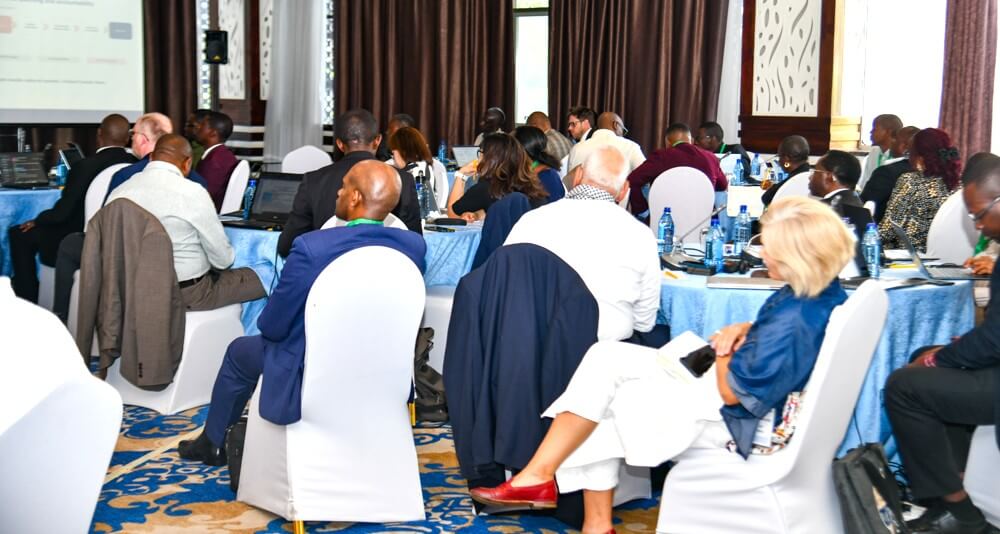
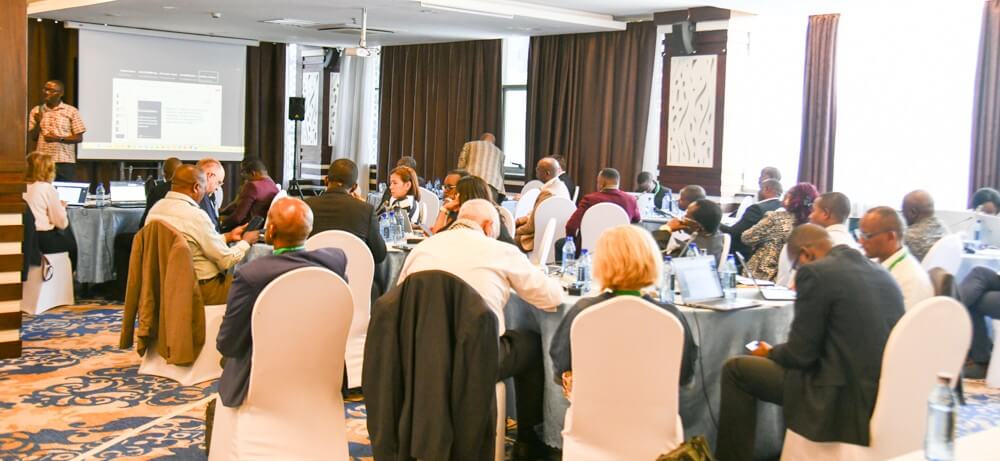
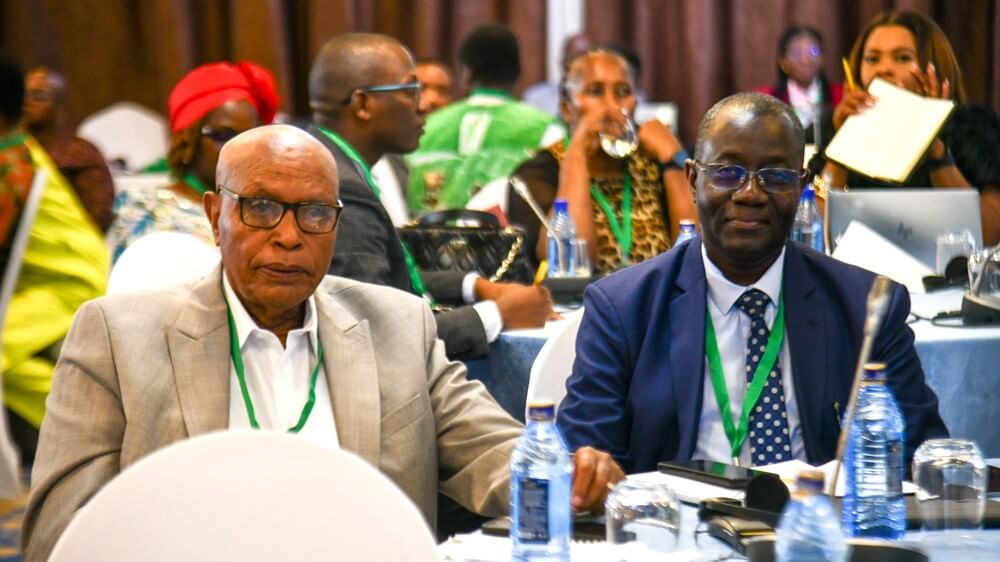
To turn this vision into impact, key stakeholders converged at the Golden Tulip Hotel in Nairobi from October 5–8, 2026. Convened by ASARECA through facilitation by FAO, CGIAR, and AU-SAFGRAD, the regional workshop sought to identify the missing link between high-level policy declarations and hard, on-the-ground data execution.
Speaking at the opening of the workshop, ASARECA Executive Director, Dr. Sylvester Dickson Baguma, underscored this broad, multi-sectoral vision, emphasizing that agrifood transformation requires coordinated action well beyond traditional farming.
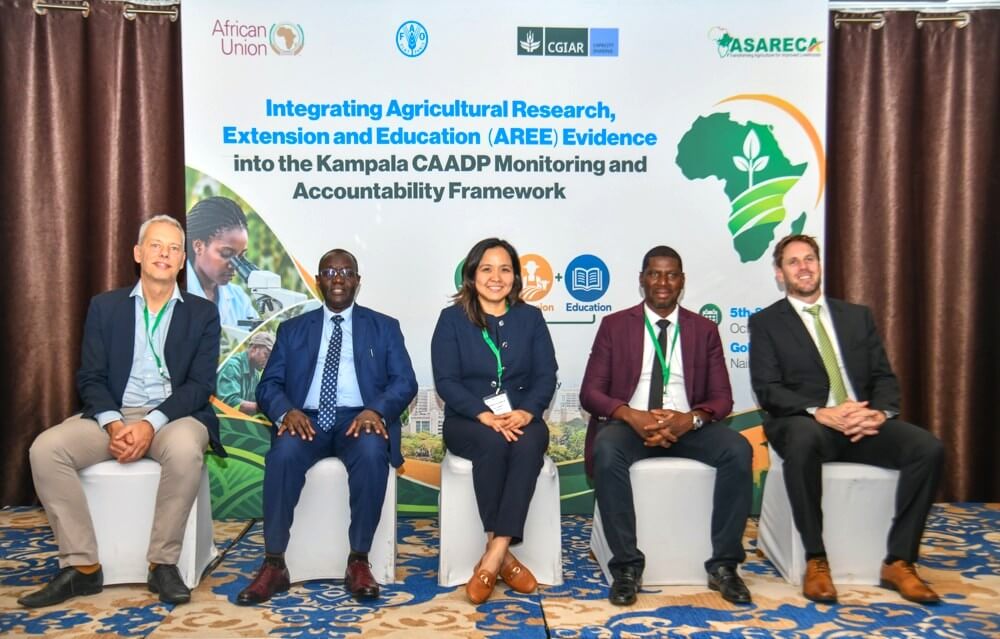
“We organized this workshop bringing together people from Africa, beyond the 15 countries that make up ASARECA, with the main purpose of looking at the agricultural science and technology indicators, but also looking at the data gaps so that we can respond to the requirements of reporting on the CAADP-Kampala results framework,” stated Dr. Baguma. “The end game is to see that Africa is feeding itself, and feeding healthy, but also that we are self-sufficient.”
Dr. Baguma explained that while Africa currently imports roughly $100 billion in food annually, accurate data will inform National Food Systems Investment Plans (NASIPs) and upcoming biannual reviews, allowing the continent to redirect resources toward local food systems, trade, gender inclusion, and regional export capacity.
ASARECA serves as the trusted, science-driven regional platform uniting 15 member states to turn research into policy-aligned, market-ready, and scalable innovations.
The strategic shift from Maputo/Malabo to Kampala
For decades, continental agricultural frameworks like Maputo and Malabo primarily focused on boosting basic agricultural production and productivity. However, the adoption of the Kampala CAADP Declaration and the CAADP Strategy and Action Plan (2026–2035) marks a critical, transition toward a comprehensive agrifood-systems transformation agenda.
This broader mandate means countries must look far beyond primary farming into interconnected sectors such as trade, finance, water management, gender inclusion, and nutritional health. Implementing this requires African nations to drastically strengthen their capacities to plan, coordinate, finance, implement, monitor, and adapt interventions across multifaceted institutional landscapes.
Uneven capacities and the evidence to policy gap
Participants underscored the fact that agricultural research, education, and extension are the heartbeat of transformation, necessary for generating modern technologies, developing human capital, supporting enterprises, and informing national investment decisions. Yet, national agricultural research and innovation systems across the region face compounding pressures such as persistent climate shocks, severe droughts, shifting pest dynamics, economic market volatility, and fragmented value chains; varying national capacities; critical constraints manifesting in staffing continuity, digital infrastructure, funding sources, aging research populations, institutional mandates, and data integration; and failure to collect, validate, analyze, update, and utilize Agricultural Science and Technology Indicators (ASTI).
Furthermore, the workshop successfully exposed the reality that connection between agricultural research data and country-level CAADP planning, reporting, and mutual accountability processes such as the CAADP Biennial Reviews and National Agricultural Investment Plans (NASIPs) has historically remained underdeveloped.
CGIAR networking and sharing innovation
Addressing the uneven distribution of resources across African nations, Gert-Jan Stads, Lead CAPTCHA Accelerator at the Alliance of Bioversity International and CIAT, emphasized the necessity of smart, evidence-based partnerships. “My work focuses mostly on partnerships and how we can link partners more closely… that’s really where CAPTCHA, Capacity Sharing comes in,” Stads noted. “The very first step in order to know what type of assistance CAPTCHA can provide is good data on the existing capacities, capacity priorities, and the existing capacity gaps. Without that knowledge, we can’t do anything.”
Handholding partners operating under extreme conditions
The impact of these capacity gaps and operational vulnerabilities is particularly stark in regions facing crisis. Prof. Dr. Ahmed H. A. Assar, Director General of the Agricultural Research Corporation in Sudan, shared poignant insights regarding the resilience of national research systems under extreme duress. “This very important meeting gives us an opportunity to be exposed to colleagues from other countries and to review the CAADP-Kampala protocol,” Dr. Assar asserted, before describing the severe operational challenges facing his country due to ongoing internal conflict.
“For Sudan, the current situation is very hard because since 2023 most of our research stations are subject to destruction due to war,” he revealed.
Dr. Assar emphasized that despite displaced research operations and agricultural system destruction, information sharing and cross-border partnerships offer a vital lifeline. Utilizing workshop-generated data will help Sudan forge necessary linkages with national partners, universities, and extension agencies to accelerate the adoption of new technologies.
Collaborative framework and institutional roles
To bridge these systemic gaps and support countries across all operational realities, the workshop successfully brought together national ASTI focal points, national CAADP focal points, and research leaders from 15 ASARECA member countries and beyond. The initiative was made possible through synchronized multi-agency collaboration across four key anchors:
FAO & ASTI
FAO and ASTI provide internationally comparable statistical data, technical guidance, and recently revamped indicators tracking research investments, human resources, and institutional structures. Highlighting the statistical backbone required for continental monitoring, Hernan Muñoz, FAO Project Lead for ASTI in Rome, emphasized how data drives agricultural science systems:
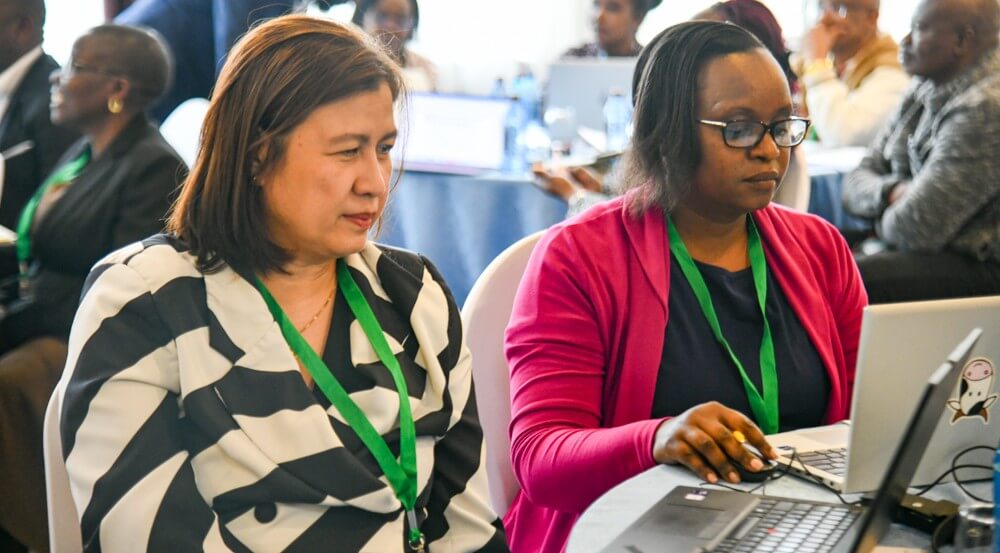
“Our main training here will be on CAADP and focal points in the National Agricultural Research Institutes, emphasizing how to collect data on the investments, the research, the number of researchers, and some characteristics of the National Agricultural Research Systems in the 15 countries that are part of ASARECA.” Muñoz explained that the revamped FAO indicators focus heavily on parameters like funding sources, researcher demographics, staff degree levels, and research outputs—noting that official country data is vital for advocating for stronger National Agricultural Research Systems (NARS) and systematically ending hunger and malnutrition.
African Union Commission (AUC-SAFGRAD)
AUC-SAFGRAD puts continental stakeholder platforms at the continent’s disposal, ensures political alignment, and oversees the integration of agricultural research, education, and extension indicators directly into the 10-year CAADP results framework.

Mamadou Koutou, Programme Research Officer at AUC-SAFGRAD, reinforced the African Union Commission’s commitment to embedding research, education, and extension directly into continental execution frameworks: “What we are doing is to integrate what we call agricultural research, education, and extension indicators within the whole CAADP process,” Koutou said. “The 2026–2035 Kampala strategy prioritizes relentless execution, ensuring that agricultural transformation across the six agreed-upon African Union member state objectives is thoroughly backed by science and technology.”
CGIAR connecting countries
The CGIAR is deploying the 360-degree assessments to connect countries facing capacity shortages with external expertise from neighboring states, CGIAR centers, or global south partners, and bridging missing linkages between National Agricultural Research Institutes and the private sector to shape future agricultural growth.
Actionable roadmaps and the path forward
Synthesizing the meeting’s outcomes into actionable country-specific steps, Dr. Yona Baguma, Director General of the National Agricultural Research Organization (NARO), Uganda, outlined a strategic roadmap for elevating ASARECA’s regional leadership to drive long-term impact. “This meeting has presented a connection between the Cairo agenda and the Kampala CAADP agenda. We’ve been able to move a step forward to develop country-specific action points, which are critical for us to ensure that the Kampala CAADP agenda is transformed into impact,” Dr. Baguma noted.
Dr. Baguma outlined three strategic imperatives for ASARECA going forward:
Emerge as a reference regional agricultural data hub by mobilizing data from the NARS, aggregating it on the platform, and using it to inform budgetary decisions at both government and institutional levels to deliver services to the people; function as a policy analysis hub to cascade continental treaties directly down to National Agricultural Research Systems; and serve as a champion to connect agricultural innovations with industrial private-sector incentives for broad societal impact.
As African nations pivot from the Maputo and Malabo frameworks to the 2026–2035 Kampala CAADP agenda, the Nairobi meeting marks a vital shift toward unified accountability. Moving forward, the success of this 10-year strategy will depend on maintaining momentum across member states by grounding policy in hard, accountable data, empowering national research institutes, harmonizing continental tracking indicators, and leveraging cross-border partnerships to build a resilient, home-grown agricultural future.