
From research papers to farmers’ gardens: How tiny aquatic fern is driving agroecological initiatives in East Africa
BY BEN MOSES ILAKUT
KIGALI, RWANDA—Conventional agriculture alone can no longer withstand the compounding impacts of climate change while maintaining a sustainable food system in Africa.
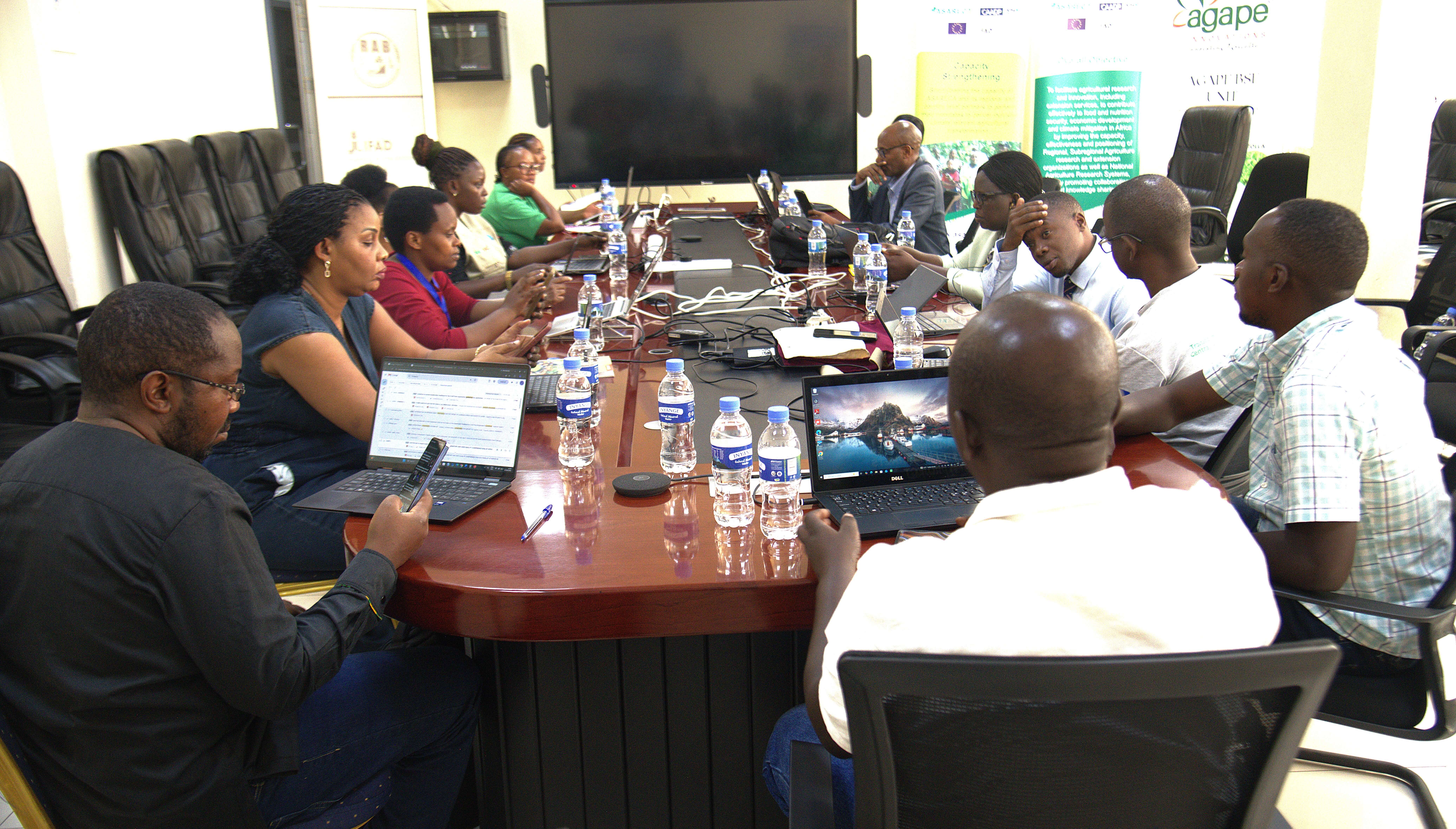
Facing a mounting triple threat of land degradation, soaring synthetic input prices, and acute seasonal animal feed shortages, agricultural leaders from across Eastern and Central Africa convened in Kigali from September 6–9, 2026, to launch a bold regional journey aimed at accelerating agroecological transformation through promotion a tiny but powerful aquatic fern.
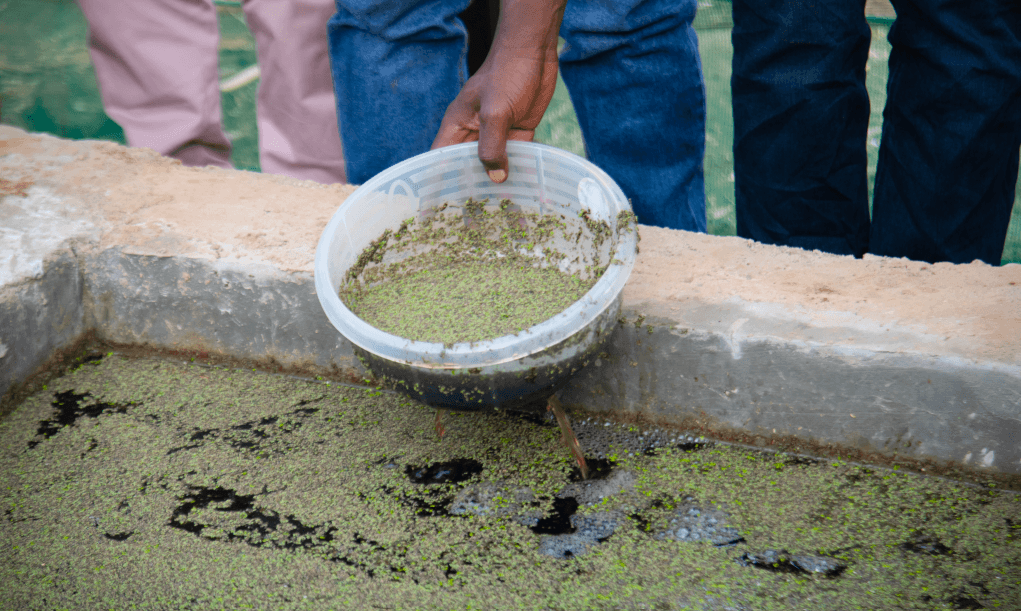
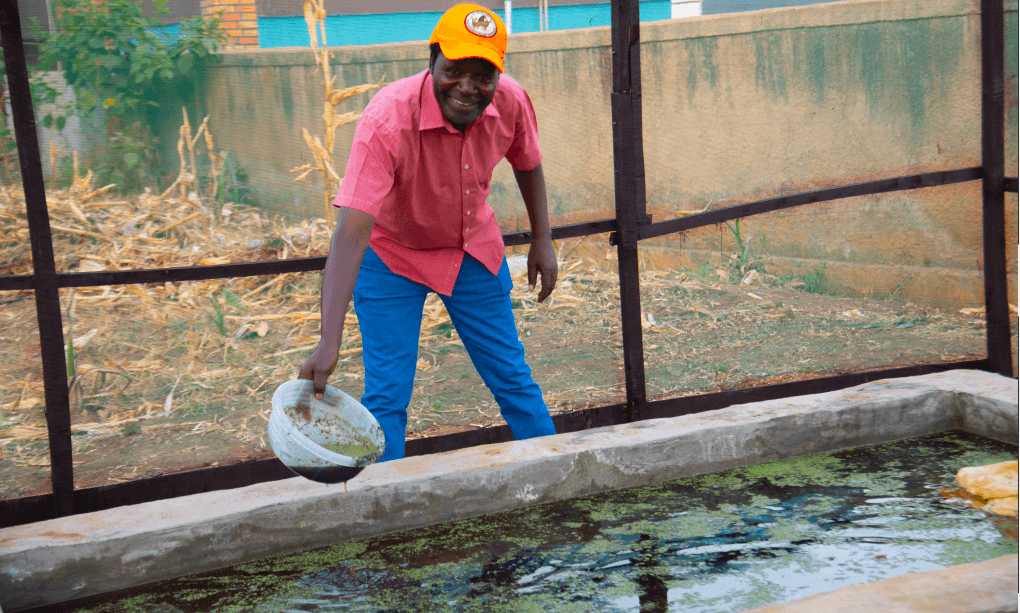
At the centerpiece of this green transition is Azolla, a fast-growing, nitrogen-fixing aquatic fern. Though small in size, this nature-based solution is rapidly proving to be a game-changing bio-fertilizer and high-protein livestock feed capable of restoring depleted soils, slashing farm costs, and fortifying regional food systems.
A fast-growing miracle fern
Addressing regional researchers, policymakers, and local farmers at the September 8 launch of the new Kigali demonstration hub, Dr. Sylvester Dickson Baguma, Executive Director of ASARECA, emphasized the urgency of shifting toward climate-smart, science-based models.
“We are gathered here at a time when our region faces a triple challenge: the need to increase food production for a growing population, the degradation of our soils and natural resources, and the growing shocks of climate change. Through this activity, we are moving from research papers to farmers’ gardens,” said Dr. Baguma.
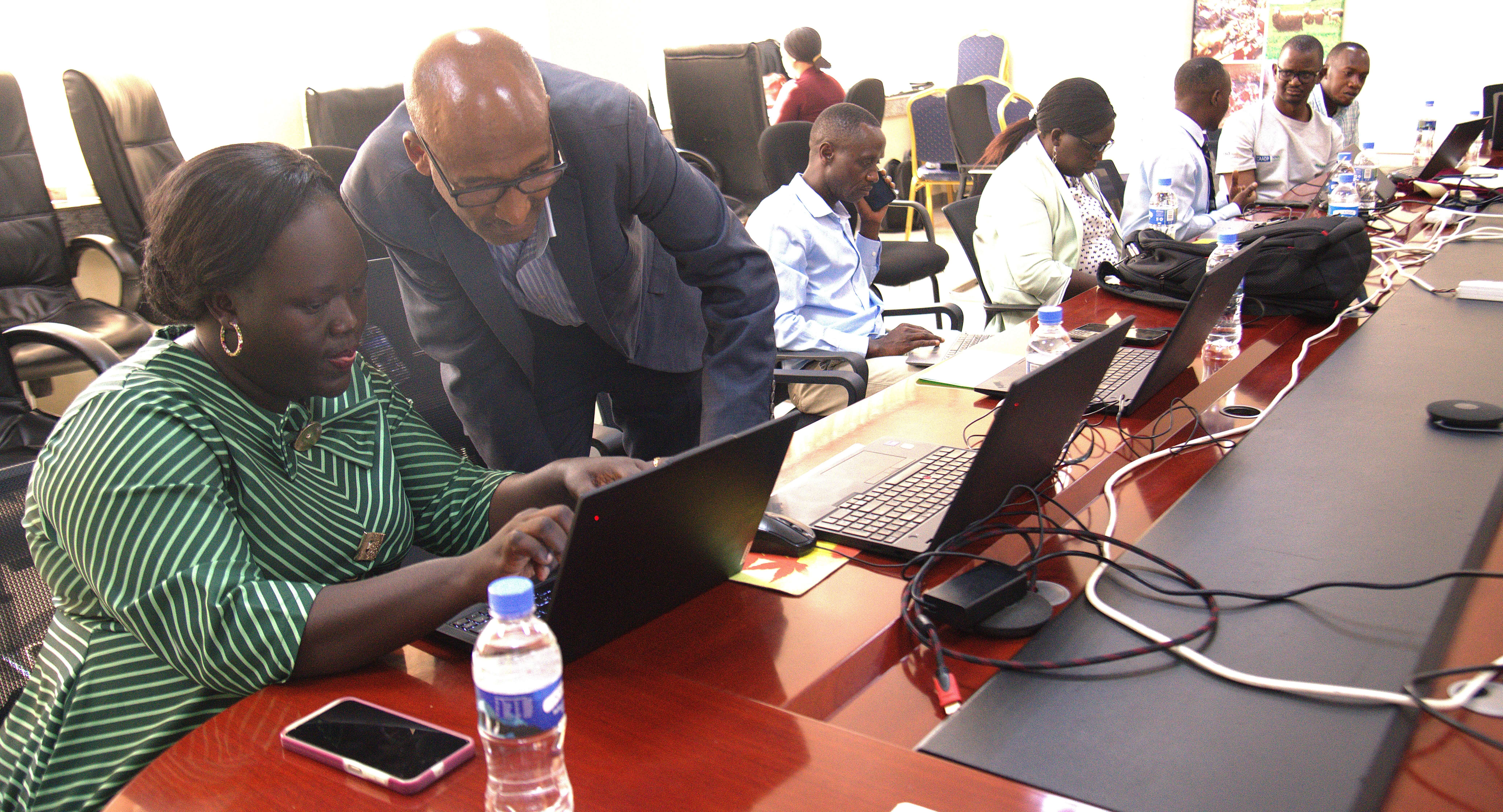
Dr. Baguma extolled Azolla as a practical, low-cost response that delivers multi-system benefits. Capable of fixing up to 40 kg of atmospheric nitrogen per hectare, the aquatic fern drastically reduces dependence on expensive synthetic fertilizers. Beyond its fertility benefits, it serves as a nutrient-dense feed alternative for livestock, poultry, and aquaculture, while actively restoring degraded soils and lowering methane emissions in flooded rice paddies.
The initiative is Financed by the European Union and managed by the International Fund for Agricultural Development (IFAD) under the CAADP-XP4 Programme.
Through this initiative, local agricultural networks across Rwanda, Uganda, and Burundi have been equipped through establishment of practical demonstration farms across strategic locations in Rwanda and Burundi to provide hands-on interactive learning.
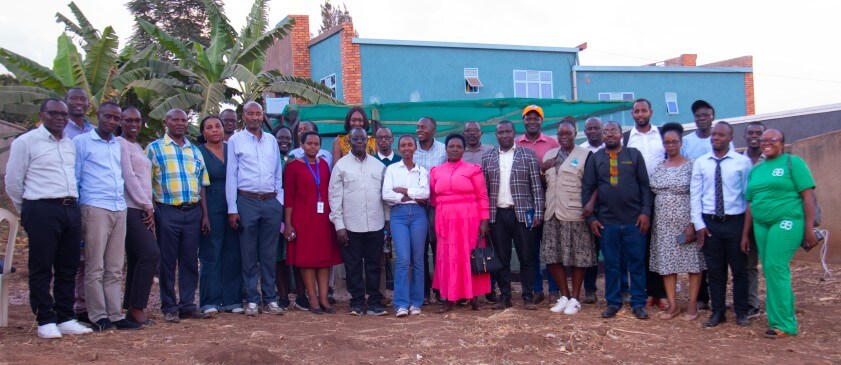
To ensure immediate adoption, beneficiaries are directly supplied with agroecological starter kits containing starter cultures, pond liners, nutrient mixes, and production guides. Simultaneously, extension workers, youth agripreneurs, lead farmers, and women’s group leaders are undergoing intensive capacity building to cascade technical knowledge locally, while user-friendly farmer manuals and digital tools are being rolled out for sustained, cross-border adoption.
Bridging the research to farm gap
In East Africa, agriculture employs over 70% of the population and serves as the economic backbone of the region. Yet smallholders consistently grapple with declining soil organic matter, rising costs of imported chemical inputs, and severe livestock feed deficits. While regional research institutions previously developed high-impact innovations like Azolla, widespread adoption hit persistent bottlenecks.
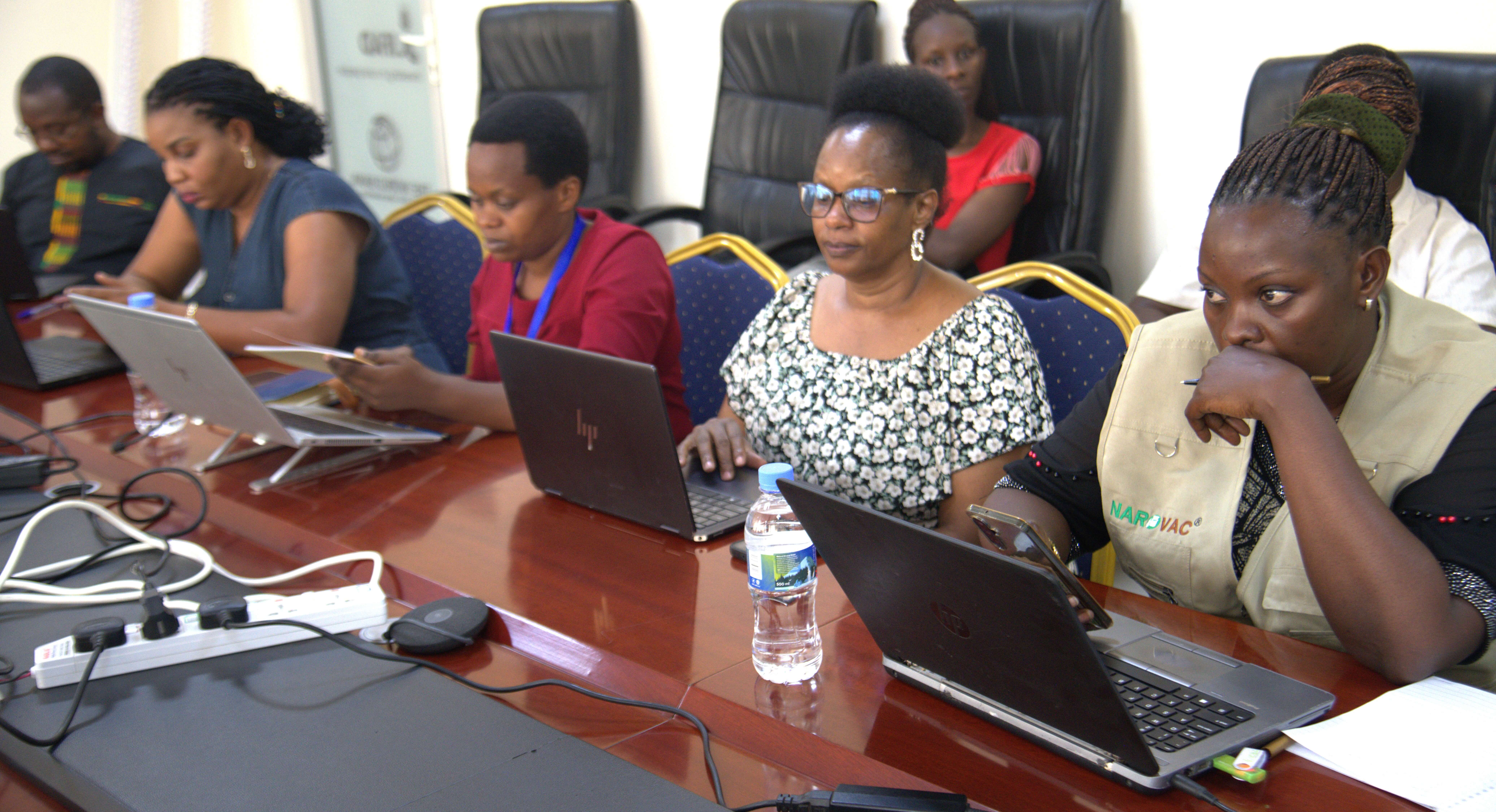
According to Ms. Blaise Amony, ASARECA Programme Officer for Capacity Development, the systemic barriers that historically kept these discoveries stranded in laboratories, where agricultural research findings remained isolated from rural farming communities were occasioned by weak technology transfer systems and lack of hands-on technical training for local extension agents in Azolla cultivation and pond management.
Ms Amony explains that communities lacked practical demonstration sites to observe the technology in action, leaving them with crippling material shortages when attempting to access starter cultures, pond liners, and necessary nutrient supplements.
To dismantle these barriers, ASARECA in partnership with the Rwanda Agriculture and Animal Resources Development Board (RAB), Rwanda’s Ministry of Agriculture and Animal Resources (MINAGRI), Uganda’s National Agricultural Research Organization (NARO), and Uganda’s Ministry of Agriculture, Animal Industry and Fisheries (MAAIF) launched the targeted regional initiative in Uganda, Rwanda and Burundi.
“ASARECA is advancing agroecology by scaling up Azolla,” she said. “By leveraging expert research from RAB Rwanda and NARO Uganda, this initiative drives cross-border knowledge sharing, reduces reliance on expensive chemical inputs, and strengthens farmer resilience across the region.”
Integrating crops, livestock, and soil health
Speaking as the Guest of Honor, Dr. Florence Uwamahoro, Acting Director General of the Rwanda Agriculture and Animal Resources Development Board (RAB), underscored Rwanda’s commitment to multiplying starter materials and scaling the technology across the country’s farming systems.
“Azolla presents a practical and affordable innovation to address the most pressing challenges facing our farmers,” Dr. Uwamahoro asserted, detailing how the fern delivers targeted operational benefits across crop, livestock, and soil health systems.

According to Dr. Uwamahoro, in wetland rice fields, incorporating Azolla replaces 30% to 50% of synthetic mineral nitrogen requirements. As a livestock supplement, it effectively substitutes up to 20% of expensive protein components in poultry and pig feed, offering an exceptionally fast harvest cycle of just 7 to 10 days at minimal cost.
Furthermore, by providing an abundant alternative livestock feed, Azolla reduces grazing pressure on crop residues, allowing farmers to leave stalks on their fields as protective organic mulch. When blended with these low-nitrogen crop residues, the high-nitrogen fern accelerates natural decomposition to create a superior organic compost.
“In this way, Azolla provides an important link between crop production, livestock feeding, soil health, and nutrient recycling,” Dr. Uwamahoro explained. “This is exactly the type of integration we seek through agroecology.”
Calling on regional actors to carry the momentum forward, Dr. Uwamahoro set a clear mandate for the initiative: “Today’s launch is more than a demonstration; it is an opportunity to learn, adapt, and deliver practical benefits. Our ambition should be clear: to move from demonstration to evidence, from evidence to farmer adoption, and from adoption to scale.”
With mother demonstration units now active, starter kits flowing to rural communities, and local champions leading the charge, Eastern and Central Africa is taking a decisive step toward a resilient, productive, and green agricultural future.