Seeds of Resilience: How Science, Cross-Border Partnerships, and Local Farmers Are Driving Cameroon’s Mission for Homegrown Wheat
BY BEN MOSES ILAKUT
YAOUNDÉ, Cameroon — Every morning, across the bustling avenues of Yaoundé and the quiet rural hamlets of the Western Highlands, millions of Cameroonians begin their day with a familiar ritual: a hot cup of coffee or tea accompanied by a fresh loaf of bread. Out of a population of roughly 35 million, an estimated 25 million rely on wheat as a daily staple. Yet, for decades, almost every grain used to bake those loaves traveled thousands of miles across oceans before reaching a Cameroonian oven.
That deep-seated dependency turned into a stark crisis in 2022. As international conflicts and global supply chain shocks disrupted trade routes, wheat imports into Cameroon plummeted, triggering a dramatic 40 percent surge in the price of bread and essential wheat products. For households already stretching their budgets, the impact was immediate and severe.
For the government in Yaoundé, it was a profound wake-up call. Importing roughly one million tonnes of wheat and wheat-based products each year was draining an estimated $3 billion in national financial resources annually. Beyond the staggering fiscal bill, reliance on foreign grain meant forfeiting thousands of domestic jobs in farming, transportation, packaging, and milling.
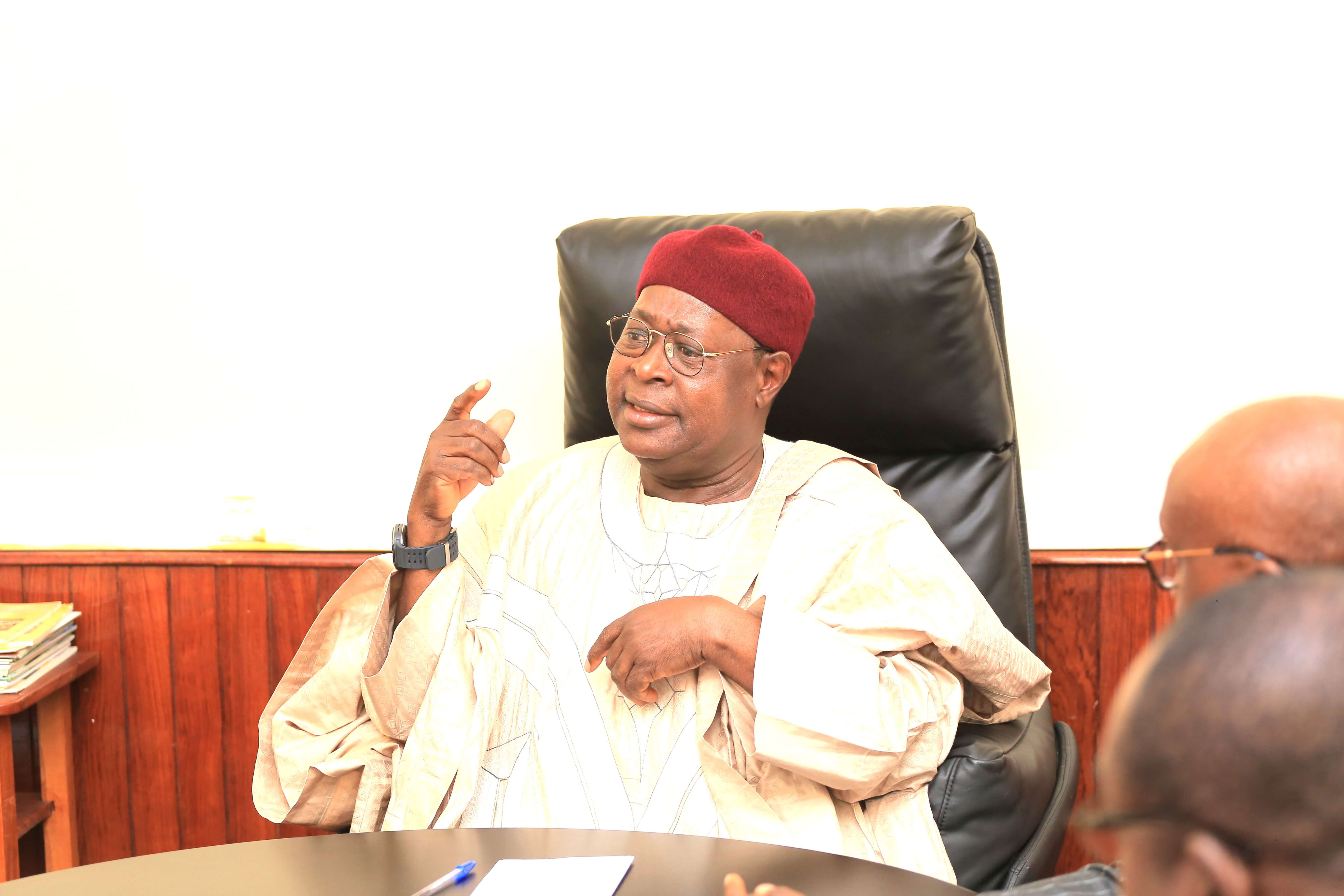
“The quantity of wheat imported by Cameroon is about 1 million tonnes per year. This is a loss of huge financial resources for our government—about 3 billion USD per year,” explains Dr. Noe Woin, Director General of the Institut de Recherche Agricole pour le Développement (IRAD). “This is a big loss to the economy. This makes the country dependent on other countries for wheat. Currently, Cameroon imports over 90% of the wheat consumed. Imagine how many jobs for production, transportation, packaging, and milling are lost? All Cameroonians wake up every morning; they start their day with a cup of coffee or a cup of tea that is accompanied by a piece of bread. At least 25 million out of 35 million Cameroonians wake up every morning and prefer bread for breakfast and other meals.”
Determined to break the cycle, the Presidency issued a direct mandate to IRAD: lead the rapid development, local production, and processing of homegrown wheat across the national territory.
Overcoming the seed bottleneck
The ambition was clear, but the initial obstacle was formidable. Cameroon possessed the land and the farmer willingness, but lacked high-quality, climate-resilient seed suited to the country’s diverse terrain. At the onset of the directive, IRAD had only two local varieties—IRAD 1 for the highlands and IRAD 2 for the lowlands—both yielding modest outputs of about three tonnes per hectare under optimal conditions.
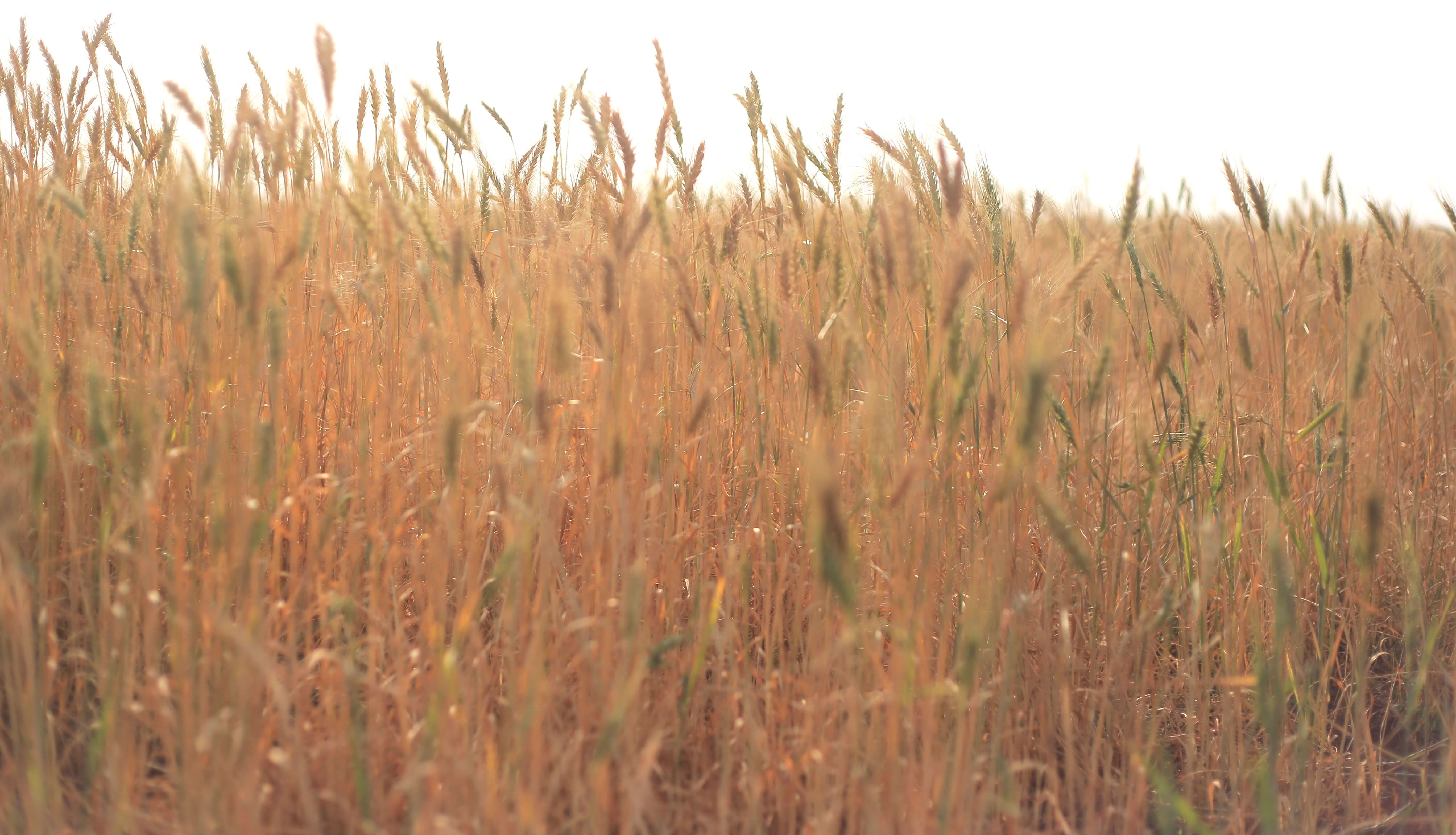
“The main challenge we have is limited access to improved varieties of wheat seeds by farmers,” Dr. Woin notes. “Many farmers are interested to grow wheat, but there is limited access to quality wheat seeds.” To bridge this gap without spending years developing new lines from scratch, Cameroon turned to regional solidarity. The catalyst came through the Comprehensive Africa Agriculture Development Programme ex-pillar IV (CAADP-XP4) project—funded by the European Union under the DeSIRA initiative, managed by the International Fund for Agricultural Development (IFAD), and coordinated by the Association for Strengthening Agricultural Research in Eastern and Central Africa (ASARECA).
During a landmark private-sector dialogue organized by ASARECA in Nairobi in March 2022, Cameroonian scientists connected with peers across the continent to evaluate climate-smart agricultural technologies. “The dialogue identified over 100 best-bet Climate Smart Agriculture technologies with high potential for private sector scaling,” says Dr. Sylvester Dickson Baguma, Executive Director of ASARECA. “It therefore generated a wealth of information and partnership opportunities which stimulated the appetite of the various stakeholders to seek what they need from peer countries.”
IRAD leveraged ASARECA’s regional network to source proven, high-performing wheat accessions from Kenya’s Agricultural and Livestock Research Organization (KALRO) and Sudan’s Agricultural Research Corporation (ARC). “Cameroon participated, and they were able to identify specific technologies under the wheat value chain that they needed from other countries like Kenya as well as Sudan,” recalls Moses Odeke, CAADP-XP4 Programme Coordinator at ASARECA. “They were able to interact with the scientists from these respective countries and came to discover that there were heat-tolerant wheat varieties in Sudan as well as better-performing varieties in Kenya in terms of wheat flour quality as well as yield.”
Tailored seeds for regional environments
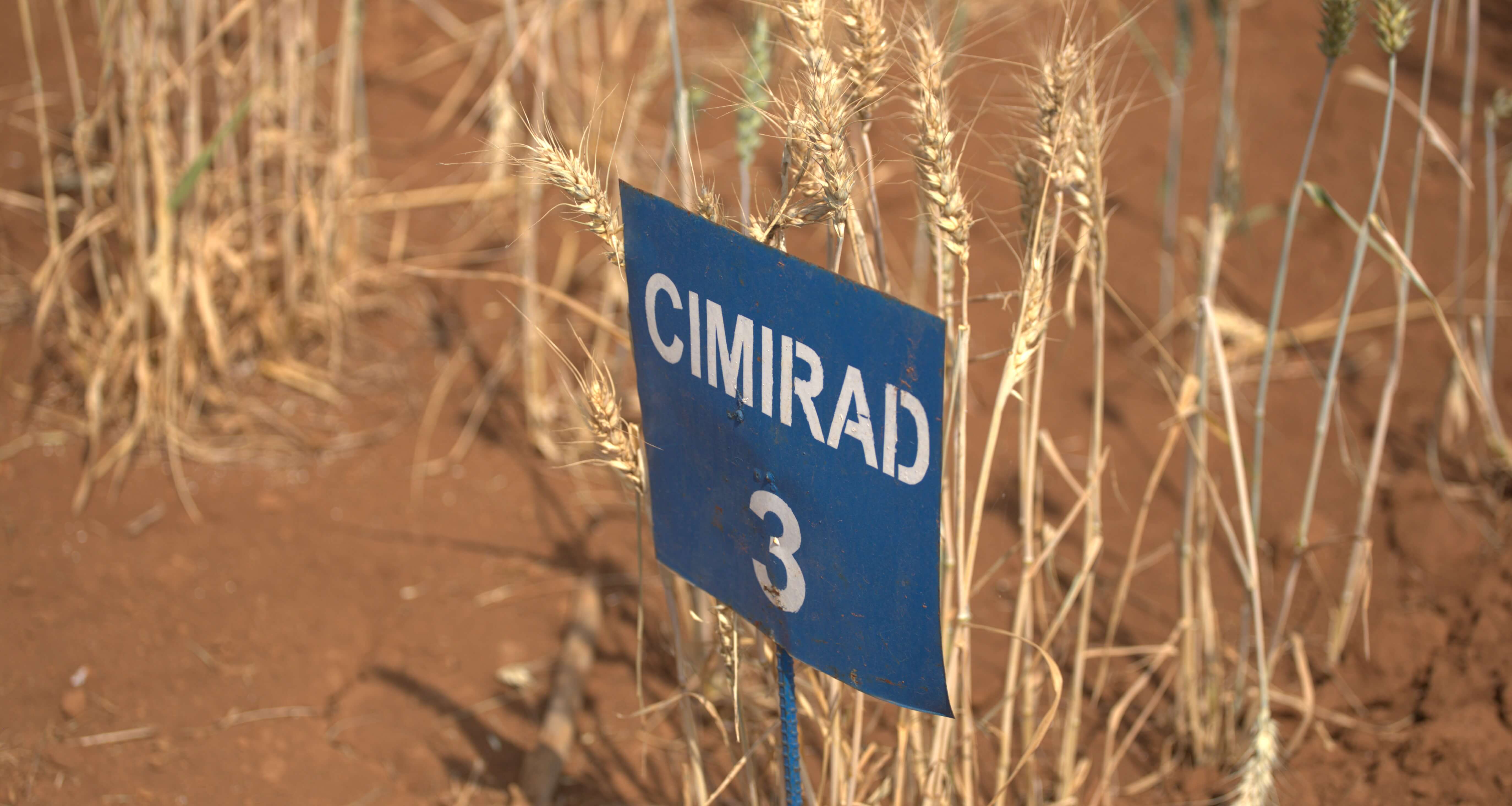
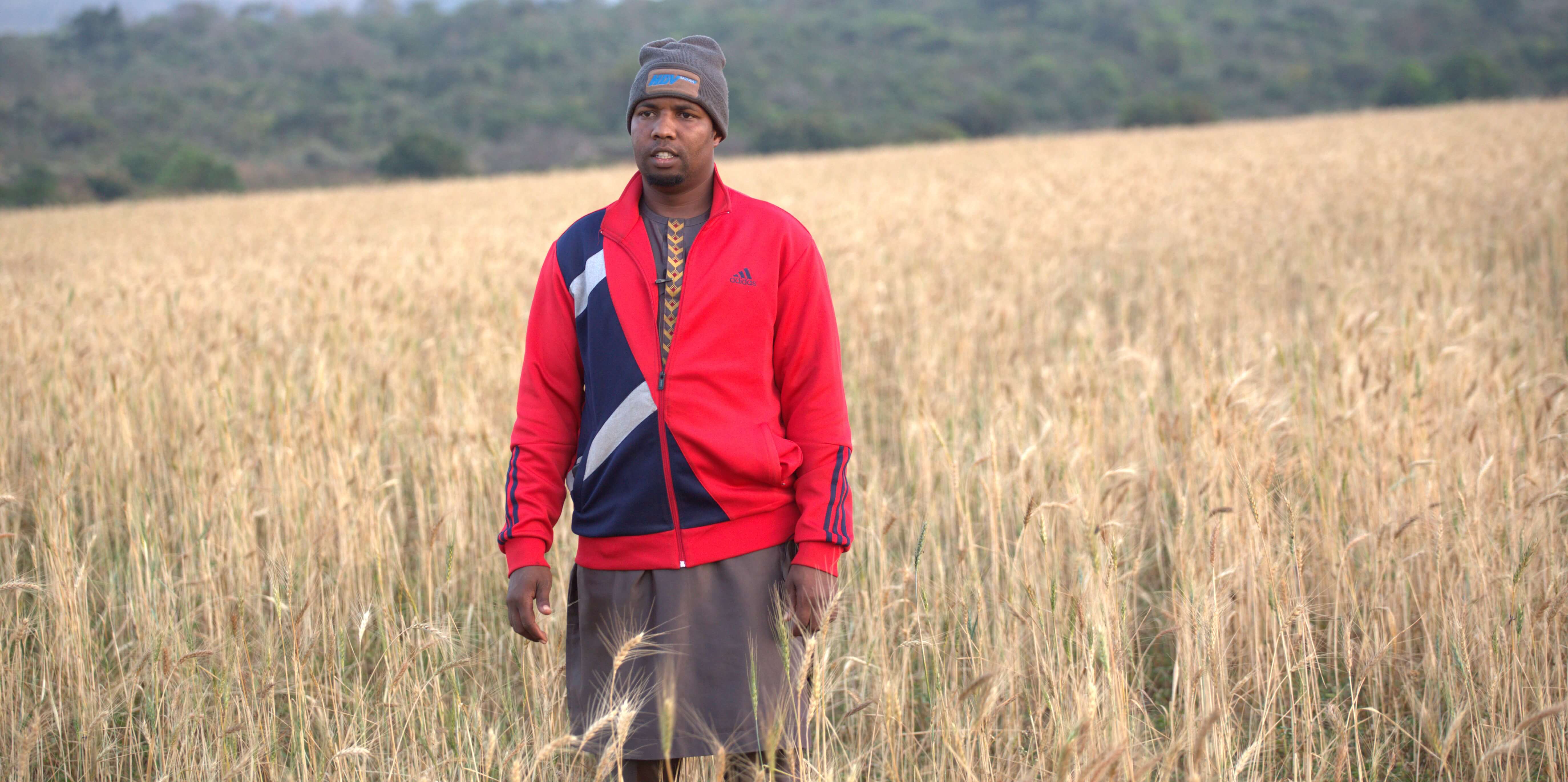
The introduced varieties delivered distinct performance advantages tailored specifically to Cameroon’s varied agro-ecological environments. In the temperate highlands of Ngaoundéré, IRAD introduced foundation seeds for four key Kenyan varieties, designated locally as KENIRAD 1 through 4 (originally Njoro, Kasuku, Impala, and Hyrax).
“These are the four varieties that were received from Kenya Agricultural Research and Livestock Research Organization,” explains Dr. Venacious Lendzemo, Lead Wheat Researcher at IRAD. “They include KENIRAD 1, originally Njoro; KENIRAD 2, originally Kasuku; KENIRAD 3, originally Impala; and KENIRAD 4, originally Hyrax. KENIRAD 1 is reputed for producing more tillers and excellent tolerance to acidic soils, making it a focus for yield. Unlike local IRAD varieties which are characteristically taller and susceptible to being swept down by wind, varieties such as KENIRAD 3 and KENIRAD 4 are semi-dwarf. The reduced height prevents lodging, making them highly suitable for mechanized harvesting.”
Dr. Lendzemo highlights that KENIRAD 3 and 4 also demonstrate tolerance to common diseases like blot and rust while delivering exceptional baking quality for commercial bakeries. “The Kenyan varieties, KENIRAD 1, 2, 3, and 4, have shown impressive yields, ranging from 4 to 6 tonnes per hectare, compared to local varieties, which typically yield about 3 tonnes per hectare under controlled conditions,” he adds.
“These varieties have undergone various adaptation trials in Cameroon and most of them have been selected and found to perform very well,” observes Dr. Joshua Okonya, Programme Officer for Technologies at ASARECA. “This is what we encourage our member NARIs [National Agricultural Research Institutes] to do. Where technology has been developed, you don’t have to walk through the same journey. Oftentimes, we notice that the technologies have been developed by member NARIs. We are not short of technologies; the gap is usually getting this technology to the end user, to the farmer.”
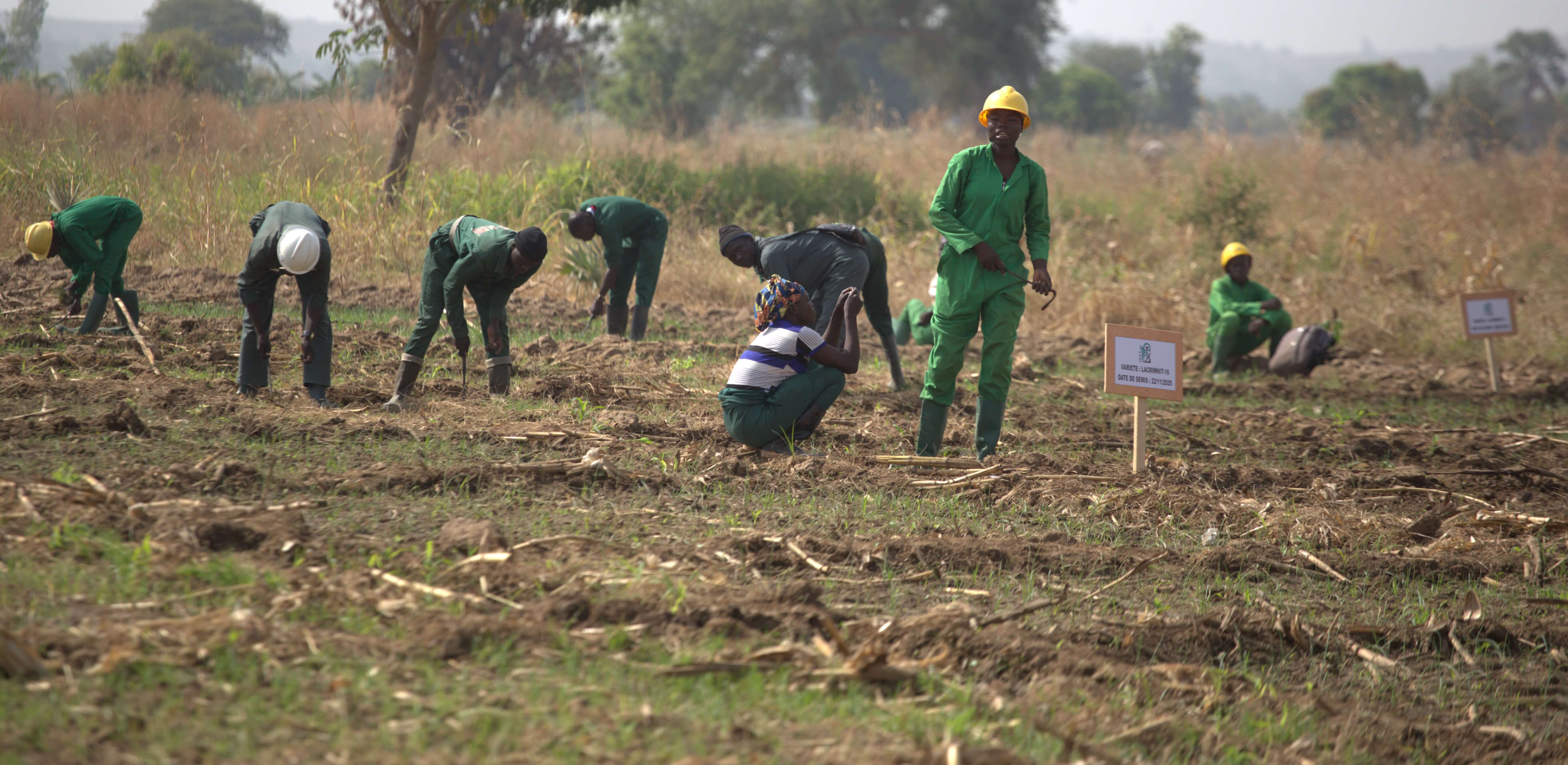
Further north in Garoua—one of Africa’s hottest farming basins, where temperatures routinely peak at 42°C (107°F)—IRAD deployed heat-tolerant varieties sourced from Sudan, including Amel, Bohen, Imam, Agreb, Sonot, Sisaban, and Bohlog. “We are in Benue Valley in North Cameroon where we are multiplying seeds of the six genotypes that we received from Agricultural Research Corporation Sudan,” Dr. Lendzemo details from the field. “We are multiplying them under irrigation to produce seed. These varieties have proven tremendous performance under heat stress during earlier trials. They have a potential of six to seven tons per hectare compared to the local varieties which produce three tons per hectare even under irrigation. The Sudan varieties provide very good quality flour for bread making and are due to be evaluated for other uses. What we are doing is mainly maintenance of the varieties as well as bulking… We are actually multiplying the seeds now in Garoua on 1.5 hectares, so each variety is just a quarter of a hectare. We expect something like 8 tonnes of the seeds for the 6 varieties.”
From research plots to farmers’ fields
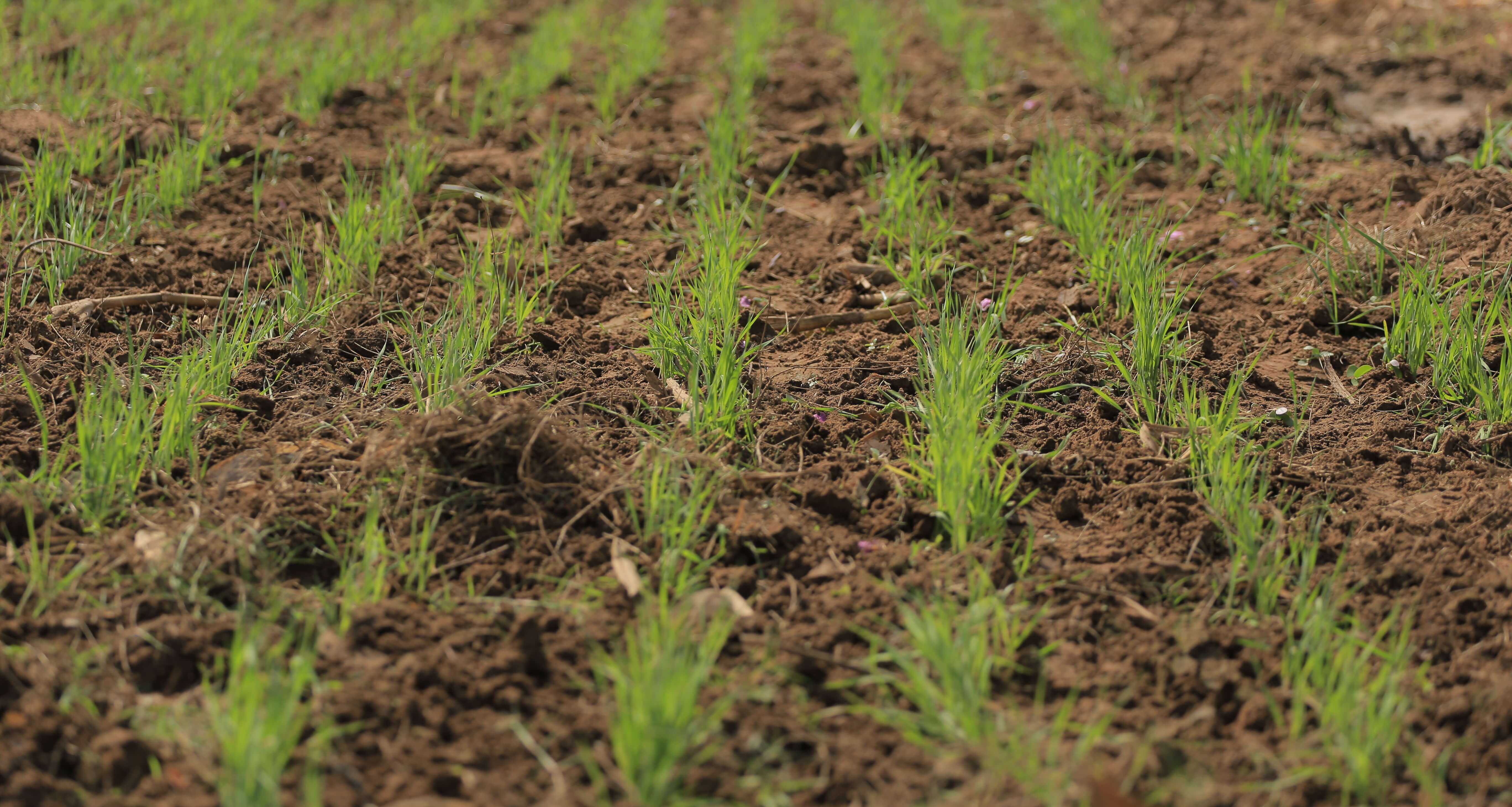
The ultimate test of any agricultural breakthrough lies in the hands of the farming community. Across trial regions, local cooperatives have eagerly embraced the new seeds, turning small demonstration plots into thriving seed-multiplication hubs.
In Wasande, large-scale multiplication efforts have placed over 25 hectares under cultivation with the KENIRAD Impala and Hyrax varieties, generating an anticipated 100 tonnes of seed—enough to plant approximately 1,000 hectares in the very next season.
For local farmers, access to these resilient seeds has provided immediate results and renewed enthusiasm for local wheat production. “I am Umaru Faru Chetima, member of the cooperative Eskwaeng, based in Awasane,” says the local farmer. “Since 2023, we have received from IRAD 2 tons of wheat seeds. And we have been able to multiply it to 15 tons of wheat seeds that we have been able to produce this year. We thank IRAD and MINADER [Ministry of Agriculture and Rural Development] for their support. Many members of the cooperatives are ready to produce wheat.”
Other cooperative leaders echo that enthusiasm, citing rapid expansion across smallholder networks.
“I am Guyen Bejul, the focal point for the Prosayava project,” shares another cooperative leader. “We received 25 kgs of seeds through IRAD. We multiplied it and produced one ton of seed, which we planted on 6 hectares, and produced 12 tons of seed. In 2022 we planted 20 hectares of wheat from which we got 26 tons of seed, which we distributed to members of our cooperative called JIC.”
Individual smallholders are seeing similar geometric returns on small plots. “My name is Mwamadu, a member of the JIC, Stop Poverty group,” says the farmer. “We received 25 kilos of seed, which we planted on 0.25 acres. We started with a small plot from which we harvested 250 kilos in 2023… with IRAD’s support, I think we will be able to expand.”
A paradigm shift in national food security
The progress achieved since 2022 marks a structural shift in Cameroon’s agricultural landscape. Where the country once relied on just two local lines, IRAD now manages five elite, climate-adapted seed varieties deployed across its distinct agro-ecological zones, supported by a growing national reserve of over 500 tons of high-quality seed. “IRAD had developed only two wheat varieties at the time of the intervention when the President ordered—IRAD 1 for the highland areas and IRAD 2 for the low-land areas,” reflects Dr. Woin. ‘We used our partnership with ASARECA to introduce other varieties that suit our five agroecological zones. Since 2022, IRAD now has five varieties compared to only two in 2022, which can be grown in various agroecological zones. Within this time, we have reached a production of over 500 tons of high-quality wheat seed.”
That 500 tons of available seed provides enough volume to plant over 5,000 hectares, supplemented by additional harvests in Ngaoundéré designed to rapidly scale national reserves.
To maintain momentum, the Prime Minister of Cameroon convened a special Inter-ministerial Committee on December 9, 2025, to plan national seed dissemination, coordinate processing infrastructure, and organize the value chain to keep the wheat paradigm shift on course.
As Dr. Woin highlights, the collaboration has yielded comprehensive national benefits:
• Development of high-yielding and drought-tolerant varieties.
• Formulation of technical guides to improve wheat farming techniques.
• Analysis of flour quality across different wheat varieties for commercial baking.
• Capacity building across all stages of the wheat value chain.
• A massive expansion in national seed quantities.
What began as an emergency response to global market shocks has evolved into a sustainable movement toward sovereign food security. Guided by cross-border science, supported by regional partnerships, and powered by local farmers, Cameroon is writing a new agricultural narrative, planting the seeds of a future where it grows its own destiny.