Cultivating Resilience: Burundi’s bold strategy to reclaim soils & secure food for the future
BUJUMBURA, BURUNDI: Across the rolling high-altitude hills of Burundi, the promise of rich, diverse ecosystems is increasingly undercut by urgent environmental pressures. High population growth, intense land fragmentation, severe soil erosion, and climate variability have pushed smallholder farmers to the edge, making basic inputs increasingly expensive and supply chains dangerously
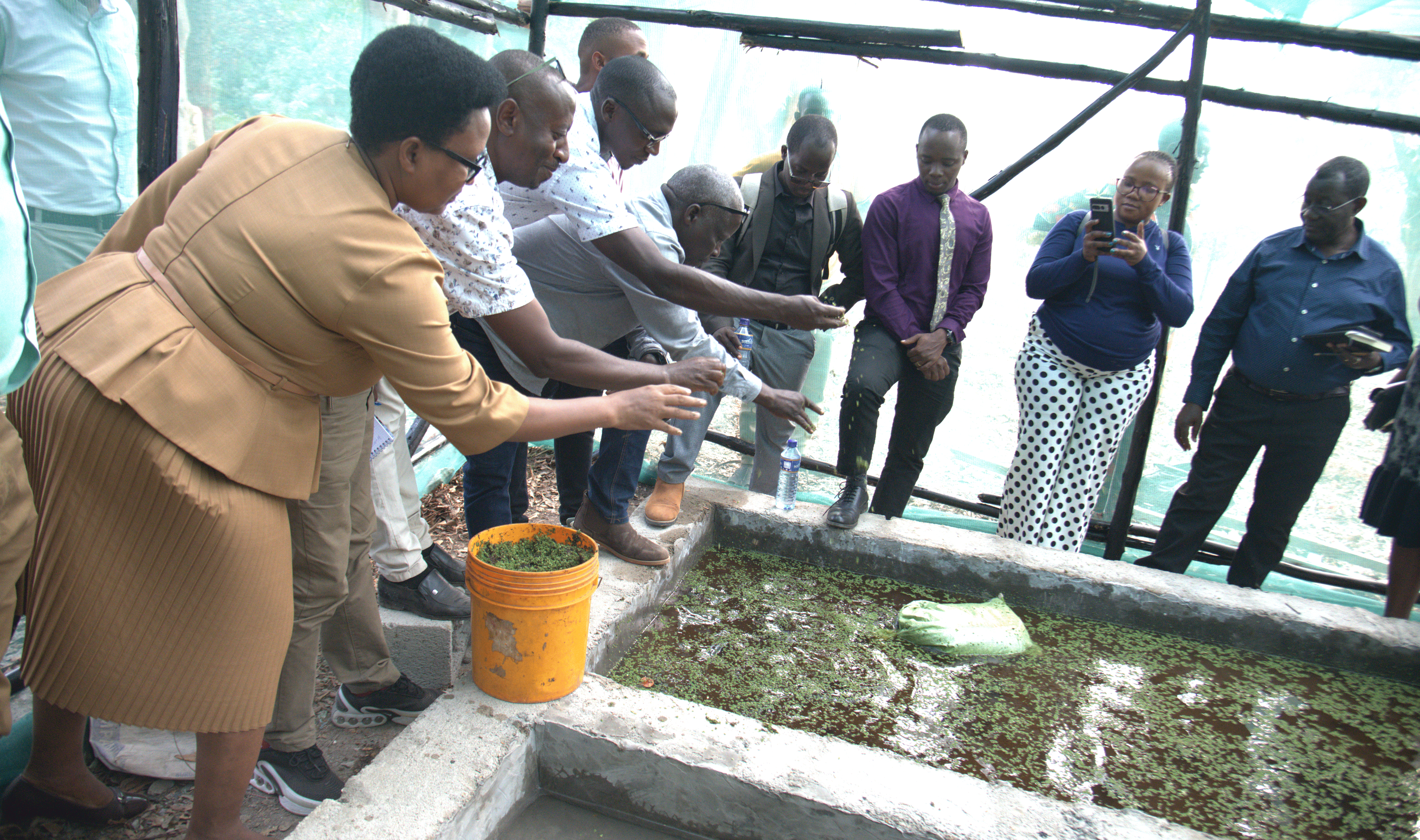
Scaling Agroecology: Regional partnership launches Azolla drive to transform smallholder farming in Burundi
BY ILAKUT BEN MOSES BUJUMBURA, BURUNDI — In a major effort to build climate resilience and lower farming expenses across Eastern Africa, the Association for Strengthening Agricultural Research in Eastern and Central Africa (ASARECA), alongside the Institut des Sciences Agronomiques du Burundi (ISABU), has launched a joint initiative to
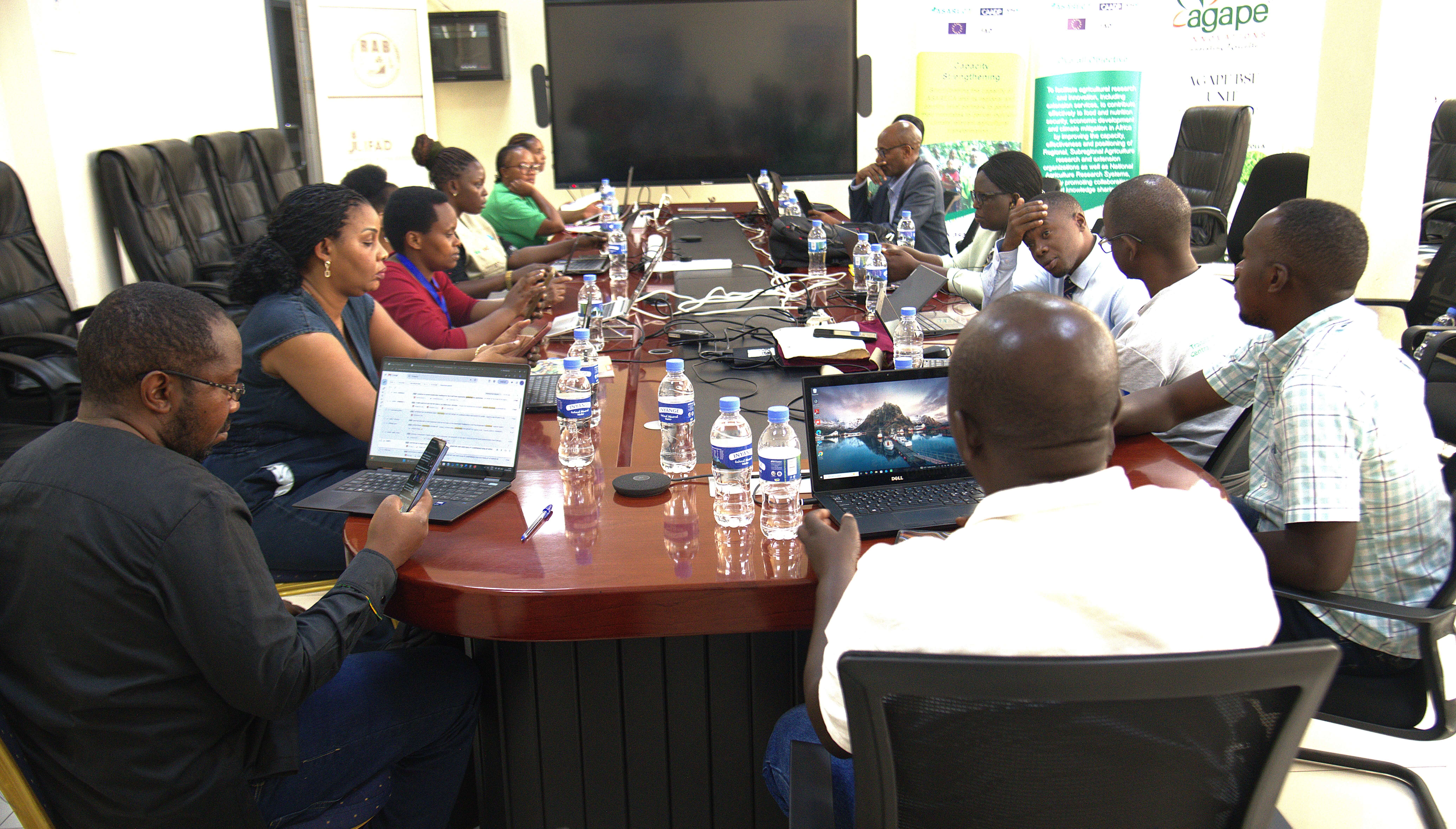
From research papers to farmers’ gardens: How tiny aquatic fern is driving agroecological initiatives in East Africa
BY BEN MOSES ILAKUT KIGALI, RWANDA—Conventional agriculture alone can no longer withstand the compounding impacts of climate change while maintaining a sustainable food system in Africa. Facing a mounting triple threat of land degradation, soaring synthetic input prices, and acute seasonal animal feed shortages, agricultural leaders from across Eastern